
Forget what you’ve been told about second hand being second best – sustainable second hand fashion is not only in, it’s inspiring, impactful, and a downright brilliant way to reclaim your wardrobe.
I have never been someone who buys lots of new clothes; I have always loved a charity shop and am proud of being thrifty. A few years ago, I decided to reduce my purchases of new clothes as much as possible. It started with a desire to curb my spending (I was deep in the depths of a fast fashion Instagram influence spiral) and has evolved into a lifestyle that feels more mindful, creative and, let’s be honest, far less wasteful. I’ve found so much joy in rifling through Vinted listings, unearthing treasures in charity shops, and styling pieces that tell a story.
It can be the hardest thing to check out from, with many content creators now sharing new outfits in Instagram reels multiple times a day.
But second hand fashion isn’t a perfect solution – and it’s definitely not without its complications. Let’s take an honest look at the good, the bad and everything in between when it comes to shopping preloved.
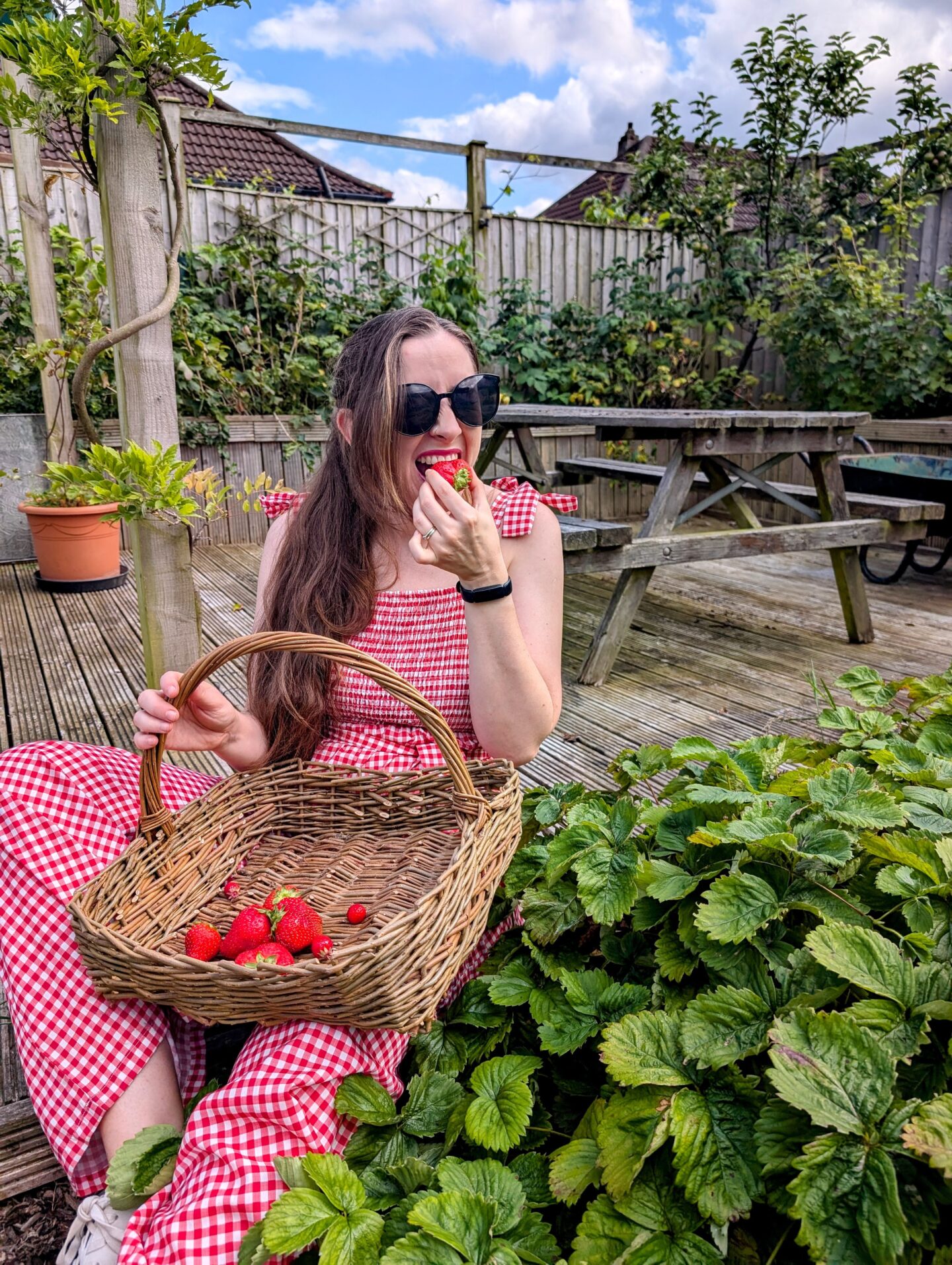
The Rise of Second Hand Style
There was a time when wearing second hand fashion could get a raised eyebrow response and assumptions about musty smells. Now? It’s fashion-forward, eco-conscious, and even cool. The rise of platforms like eBay, Depop, and Vinted has made shopping second hand fashion easier than ever – no rummaging through dusty rails unless you fancy it.
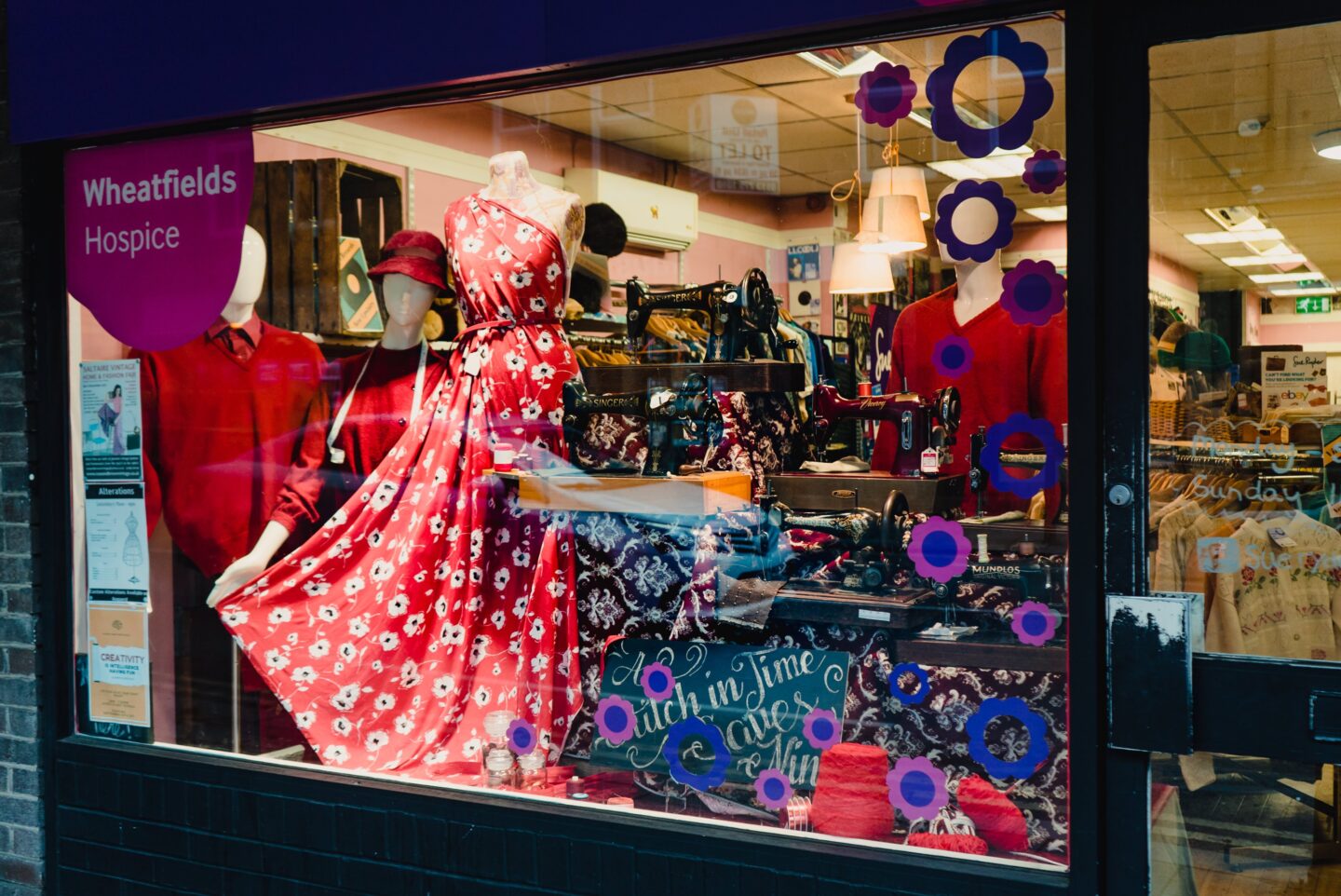
According to Co-op’s report on ethical consumerism, charity shop sales have quadrupled in 20 years, and the resale market is predicted to outpace fast fashion by 2030. Finally, some good news.
Shopping preloved isn’t just a fashion statement – it’s a lifestyle shift. One that says: I don’t need shiny and new to feel good. I can look fabulous while also doing my bit for the planet.
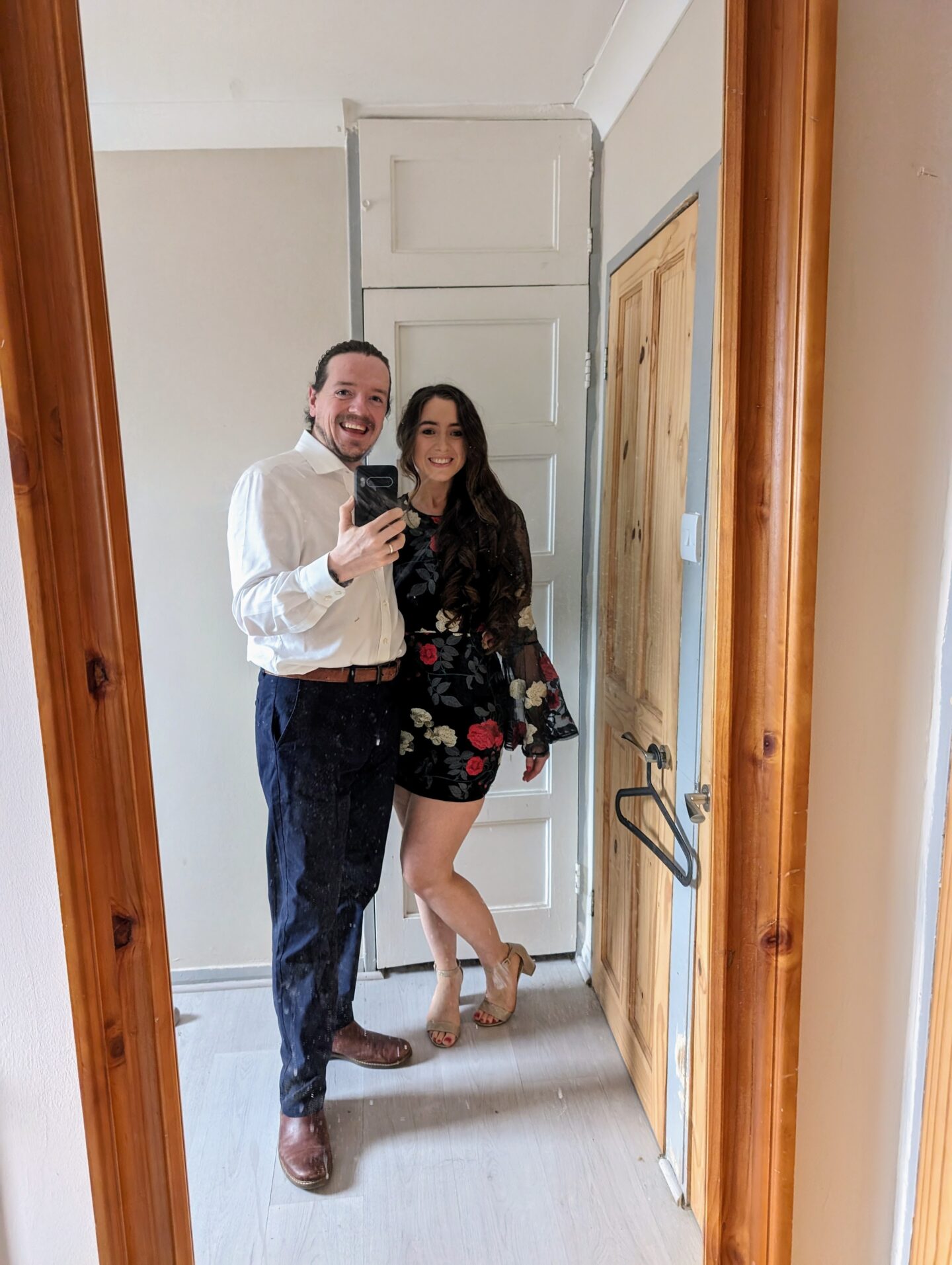
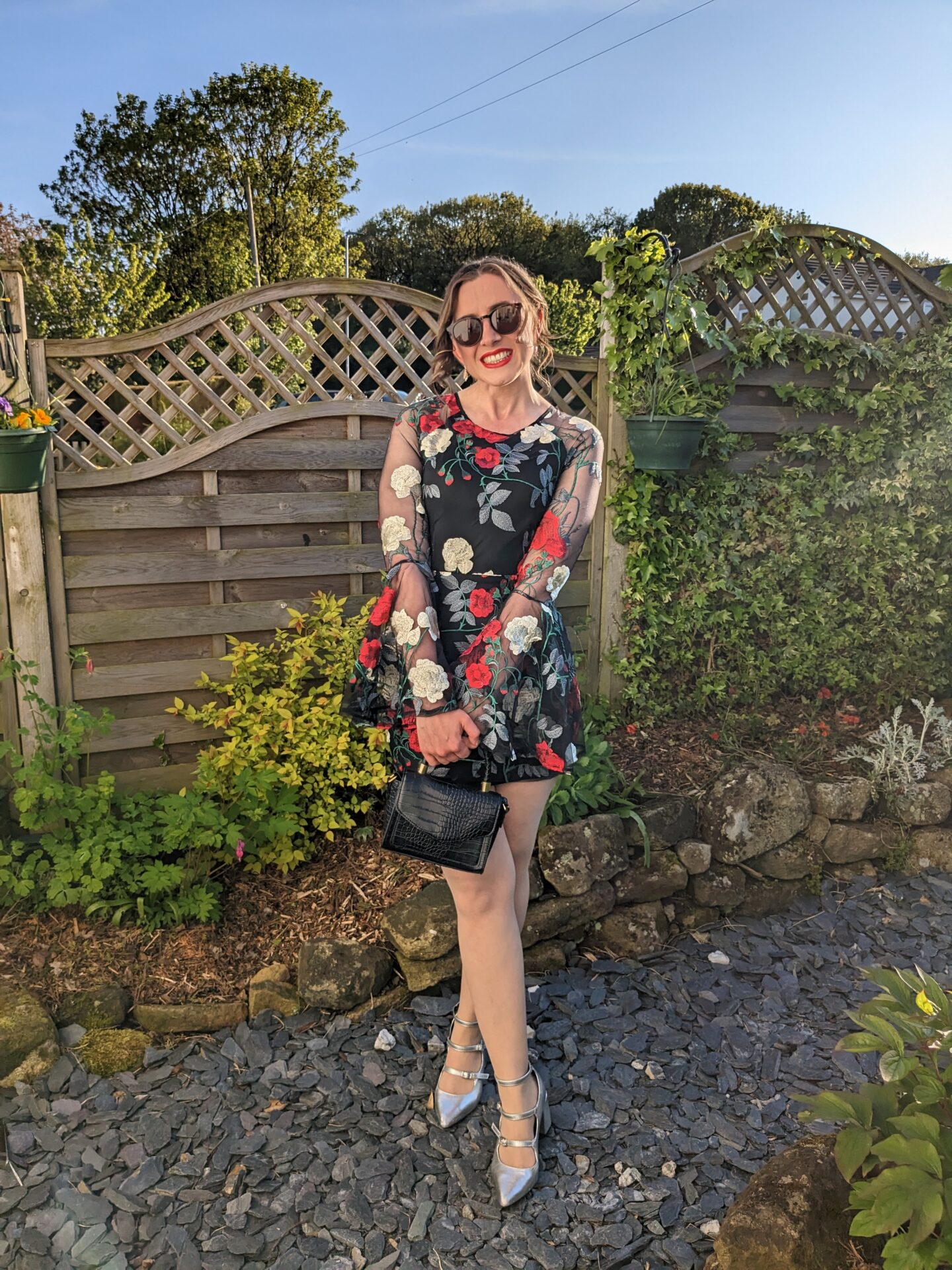
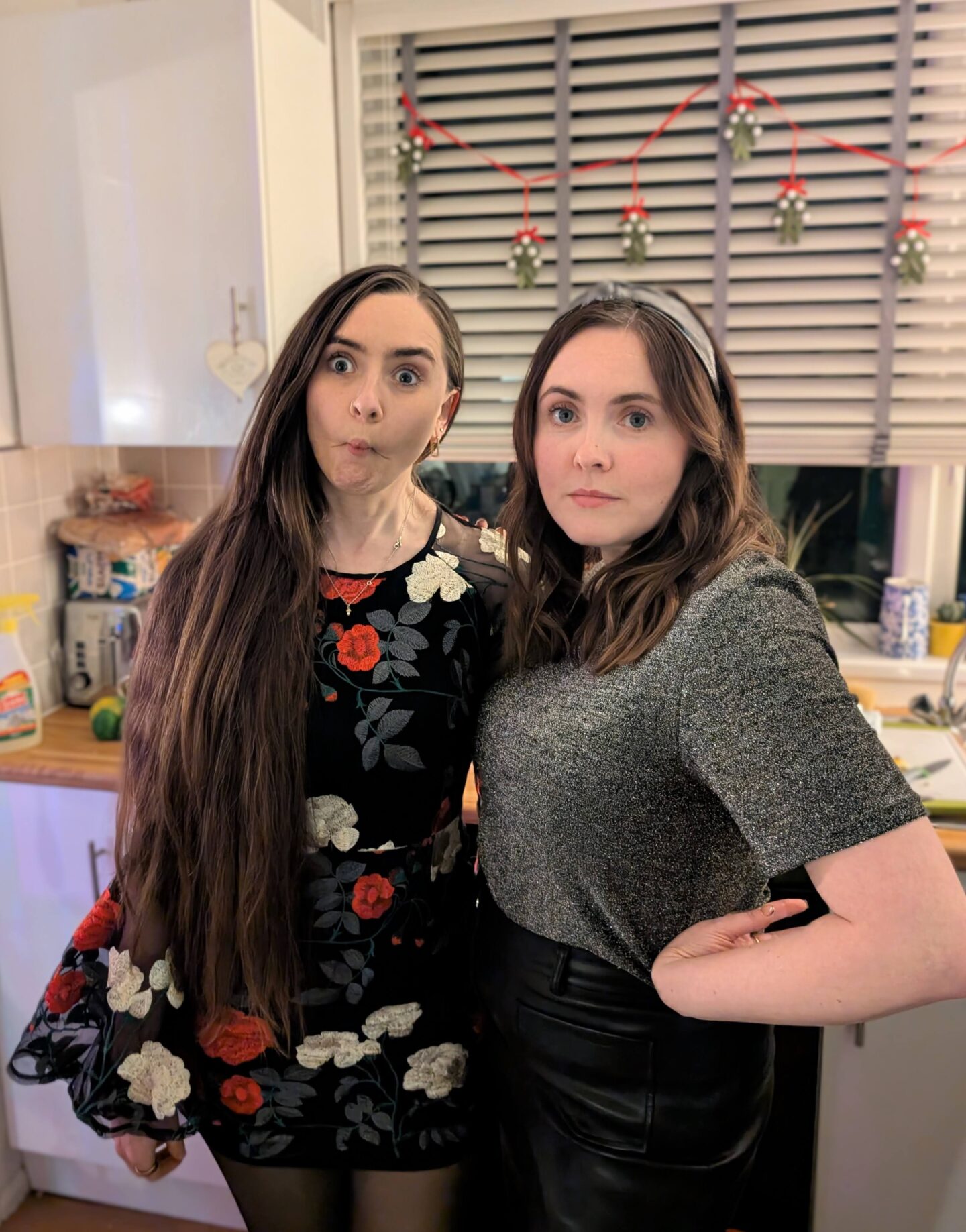
I love this dress, originally Shein but my money went to the British Heart Foundation. I always get nice comments and it is my go to going out dress. As you can see I’ve worn it out at so many events.
Let’s Hear It for the Outfit Repeaters – The Case for Outfit Repeating and Clothing Rental
Let’s also talk about hiring clothes and normalising outfit repeating – because honestly, we need to. There’s still this strange pressure to wear something “new” to every wedding, party or event, but why? Renting an outfit is an amazing way to enjoy something gorgeous and special without adding another one-time-wear dress to the back of your wardrobe. And rewearing a fabulous outfit? Iconic. We should be applauding the outfit repeaters, not shaming them. If you felt amazing in that dress last summer, wear it again this summer. It’s time we ditch the idea that style means “new” and start celebrating those who show up in what they love and look great in, time and again.

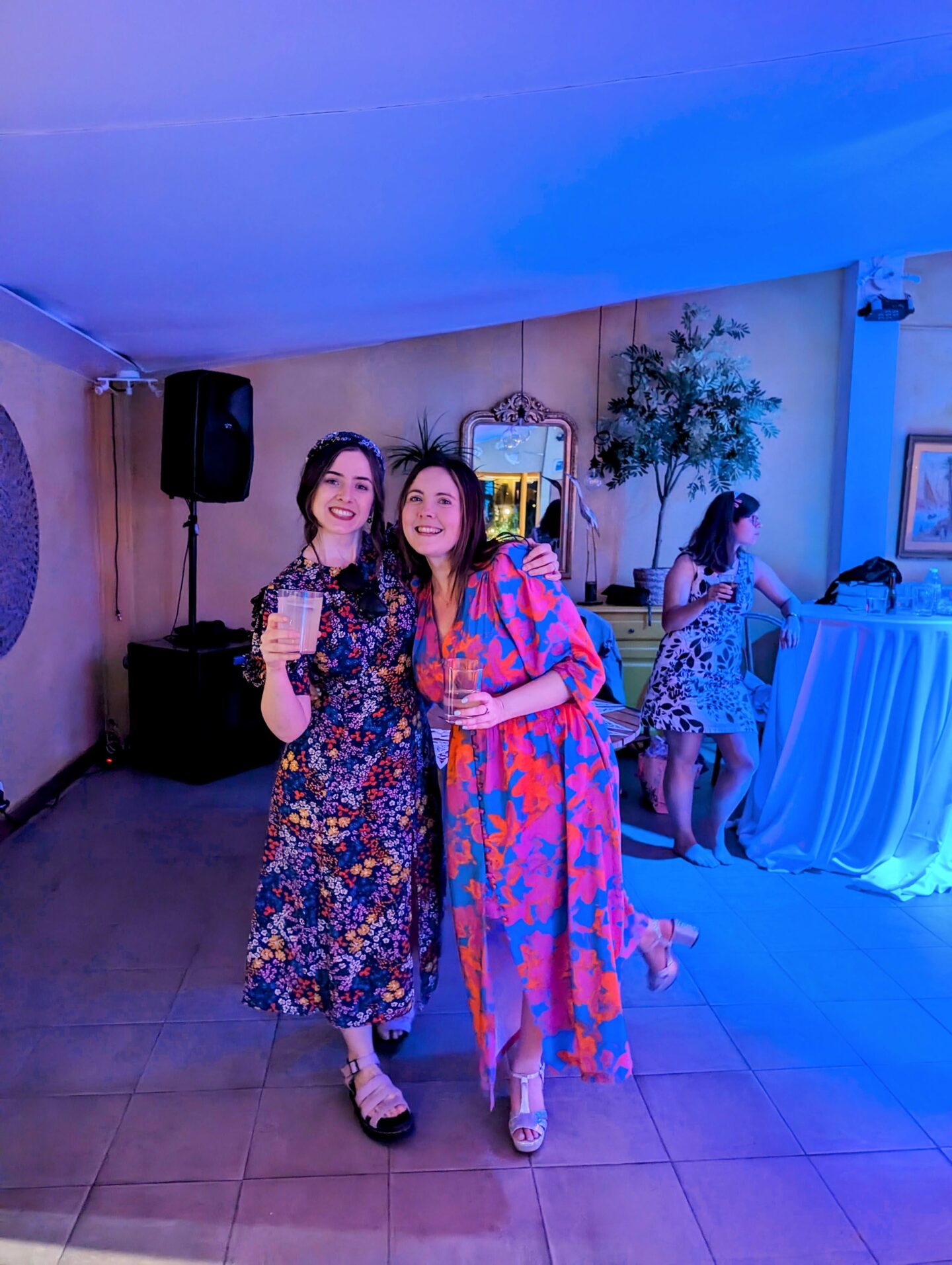
Same dress, shoes and headband, different weddings
Why Sustainable Second Hand Fashion Matters
Here’s the sobering truth: the fashion industry is the second most polluting industry in the world, right behind the oil industry. The stats are wild – we’re buying over 80 billion pieces of clothing a year globally, and a mind-blowing 92 million tonnes end up in landfills annually. That’s every year.
Even worse? Brands are churning out over a million garments a day. A. Day.
Choosing second hand fashion helps reduce this relentless demand and gives garments a second (or third) life. We already have enough clothing on this planet to dress the next six generations. So let’s wear it.
10 Brilliant Reasons to Shop Second Hand Fashion
1. You reduce demand for fast fashion
Every time you buy second hand instead of new, you’re casting a vote against unethical brands and their overproduction.
2. You avoid fast fashion greenwashing
Some fast fashion brands are launching their own resale platforms – don’t fall for it. They’re still overproducing, just with a new marketing spin.
3. You’ll save a fortune
Whether you’re thrifting in person or scrolling Vinted, you’ll often snag pieces for a fraction of their original price.
4. Your outfit is totally unique
Vintage denim jacket? 70s maxi dress? Nobody else will be wearing what you are, and that’s a total win.
5. It’s never been easier
Thanks to tech, filters, apps, and pop-up vintage markets, second hand fashion has gone digital – and it’s never been so accessible.
6. You support local charities and small businesses
Charity shops? Absolute gems. You’re not just buying clothes – you’re funding good causes and supporting your community.
7. You’ll discover your personal style
Without fast fashion trends dictating your wardrobe, you’re free to experiment, express and evolve your own unique look.
8. You minimise your environmental footprint
From pesticides in cotton to dye-filled waterways, the fashion industry leaves a big, dirty footprint. Buying preloved bypasses the worst of it.
9. You’re keeping clothes out of landfill
That preloved jumper? It’s one less item destined for the dump. Circular fashion is where it’s at.
10. It encourages mindful shopping
No more dopamine-fuelled ASOS hauls. Second hand fashion shopping is slower and more thoughtful – and that’s a good thing.
But Let’s Talk Honestly: The Downsides of Second Hand Fashion
Sustainable second hand fashion isn’t a perfect fix. There’s nuance here, and it’s important we acknowledge it. Fast fashion clothes often end up here and these low quality items may not last long in your wardrobe.
Thrift Privilege is Real
Not everyone can shop second hand fashion. Access, size inclusivity, time, location – they all matter. It’s not helpful (or fair) to guilt trip people who can’t always buy preloved. Sustainability should be accessible, not exclusive.
So What Can We Do?
Second hand fashion is a fantastic way to shop more sustainably – but it’s not just about what we buy. It’s also about how much we buy.
Buy less. Buy thoughtfully. Repair, re-wear, resell. Choose quality over quantity and care for the clothes you already have. I’m definitely going to be looking into making some of my own clothing as well.
The goal for me isn’t perfection – it’s progress. If we all do a little, it adds up. And if you’ve been thinking about switching to second hand fashion, take this as your sign to start.
Sometimes, embracing sustainable fashion isn’t about doing it all perfectly – it’s just about trying. Some days, you’ll find the perfect thrifted gem and others, you’ll walk away empty-handed. It’s not about guilt if you buy something new, as long as you love and look after that item and get a lot of use out of it. It’s about making small choices that feel right for you. Whether that’s mending a button, choosing to re-wear an outfit, or simply pausing before clicking “add to basket”, these moments add up. They remind us that slow, mindful living isn’t just a trend – it’s a quiet kind of rebellion.
Fast Fashion’s Dirty Secret Still Lingers
Even with second hand fashion options booming, tonnes of our discarded clothes end up dumped in places like Ghana, where local communities are forced to deal with our textile waste. It’s not just a fashion problem – it’s a human one.
Let’s Keep This Conversation Going
I’d love to hear from you – do you shop second hand fashion? Have any favourite vintage spots or Vinted wins? Let me know in the comments, or tag me on Instagram @mary.strikeapose.
And if you’re looking for more ideas on slowing down and living more consciously, check out dive into the world of vegan beauty. If you’re currently planning your big day and want it to reflect your values too, don’t miss my guide on how to plan a sustainable and more eco-friendly wedding – it’s packed with down-to-earth ideas to help you reduce waste without sacrificing the magic.
