
Jon and I spent an unforgettable day exploring on our Sissinghurst Castle Garden visit, tucked away in the Weald of Kent. We were inspired by an episode of the Sarah Raven Podcast, where she chatted with her husband Adam Nicolson, whose family home this is. We had high hopes before arriving, and it absolutely delivered.
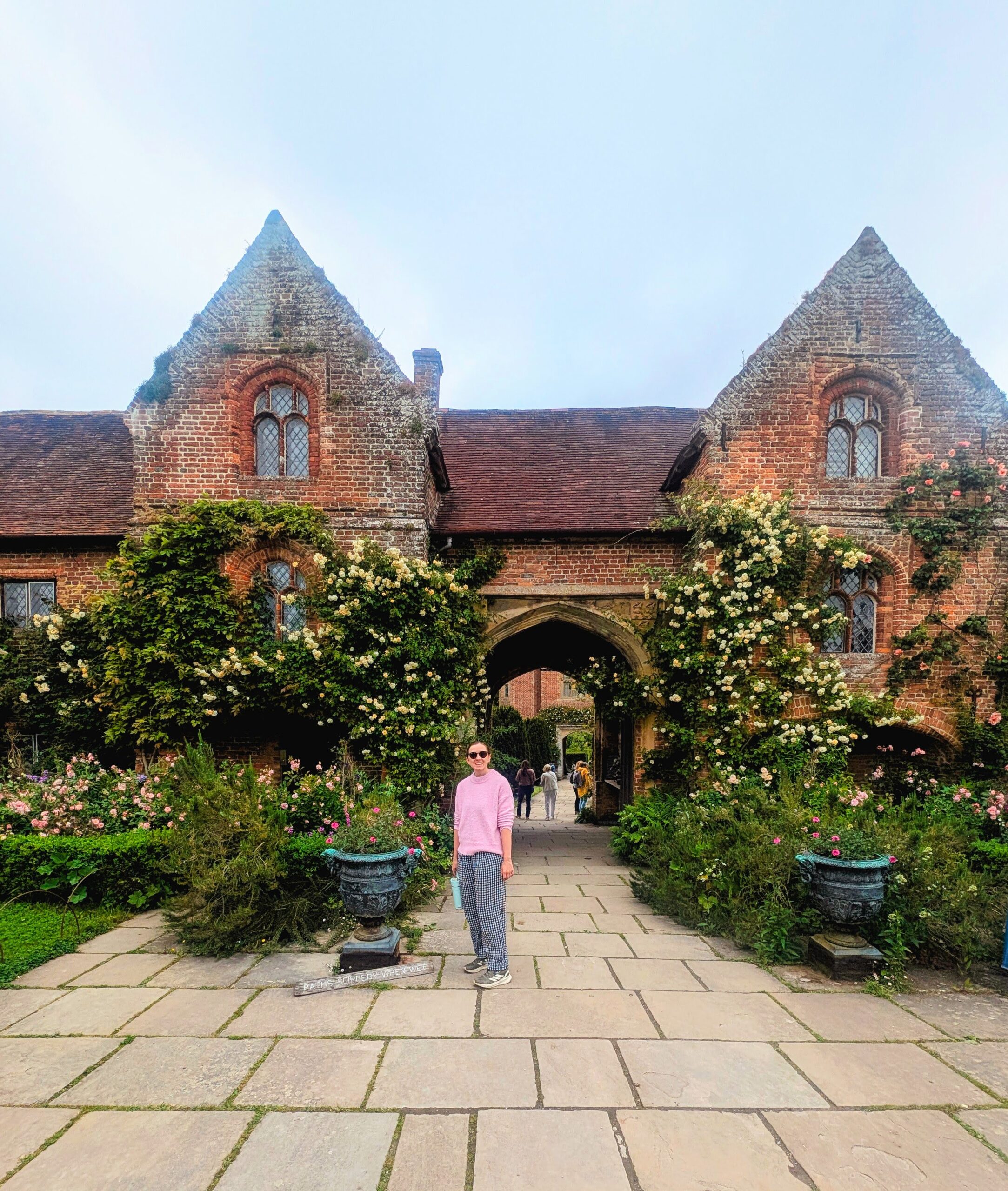
If you’re planning your own Sissinghurst Castle Garden visit, here’s everything you need to know to make the most of your trip.
Getting There with Your National Trust Membership
Sissinghurst Castle Garden Visit

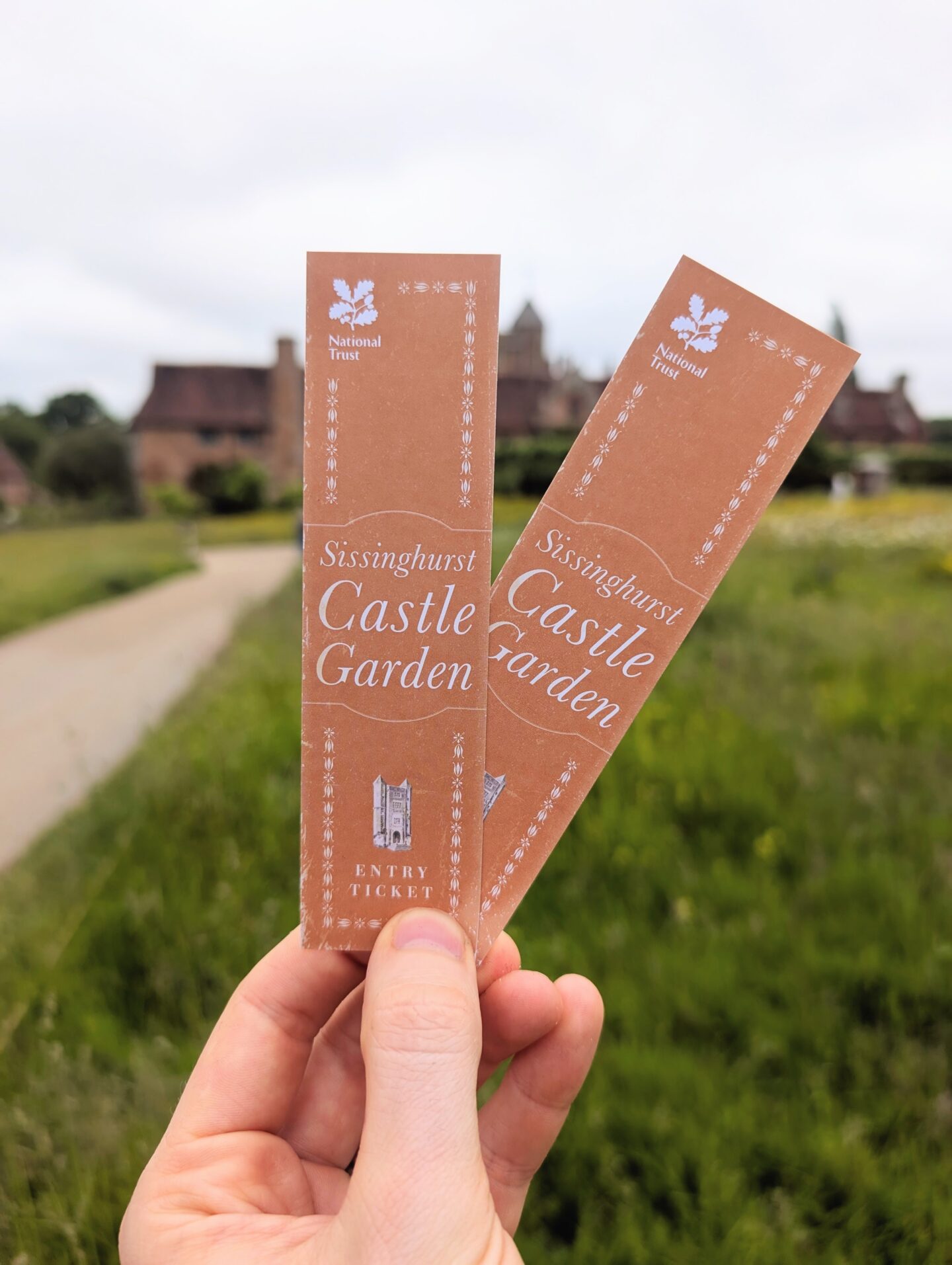
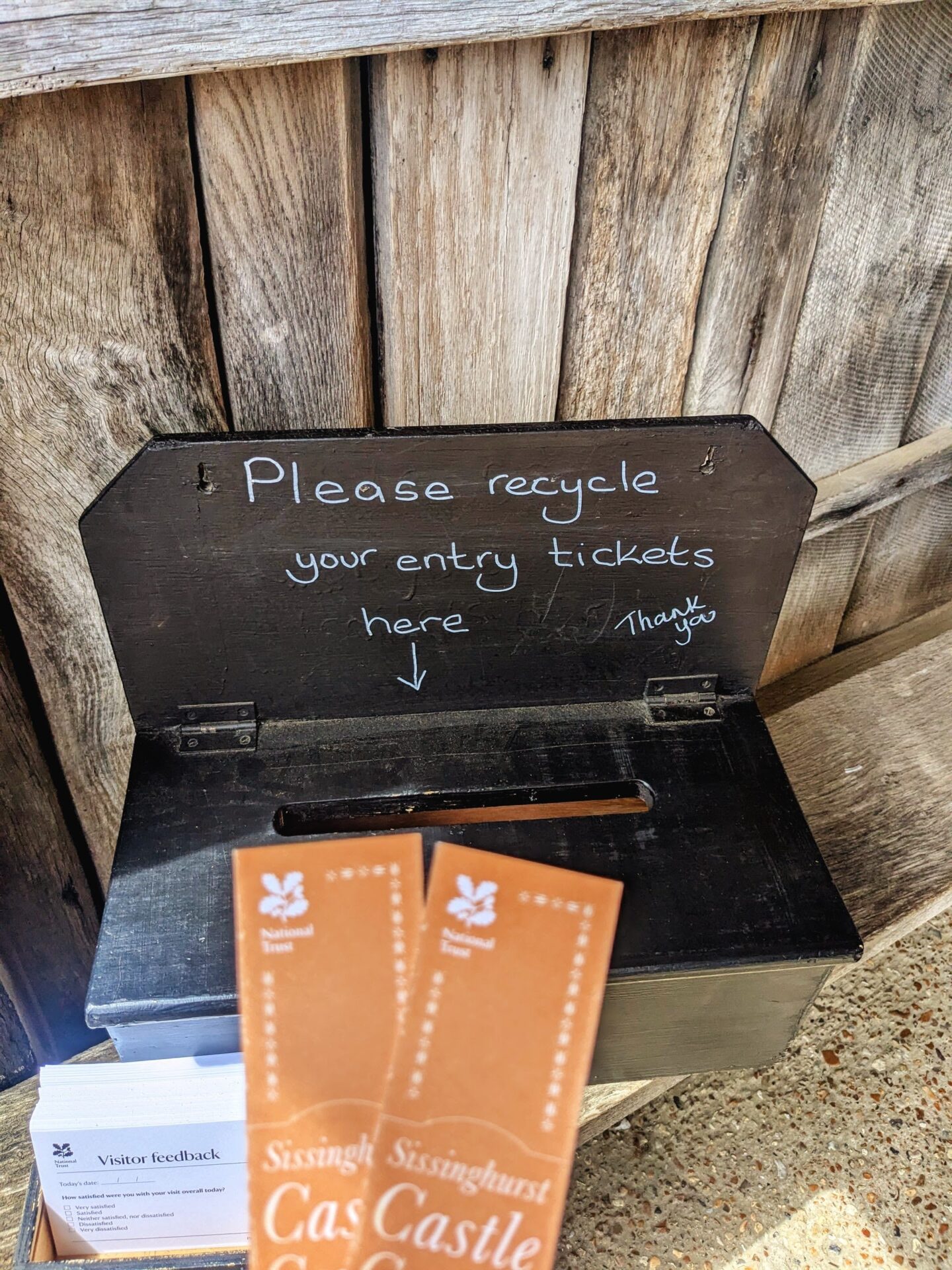
Sissinghurst is just north of Tunbridge Wells in Kent, surrounded by beautiful countryside. We drove down for our Sissinghurst Castle Garden visit, parked easily in the designated National Trust car park, and breezed through the entrance with our membership cards. It felt good knowing our visit was also helping support the upkeep of such a special place.
A Brief History of Sissinghurst
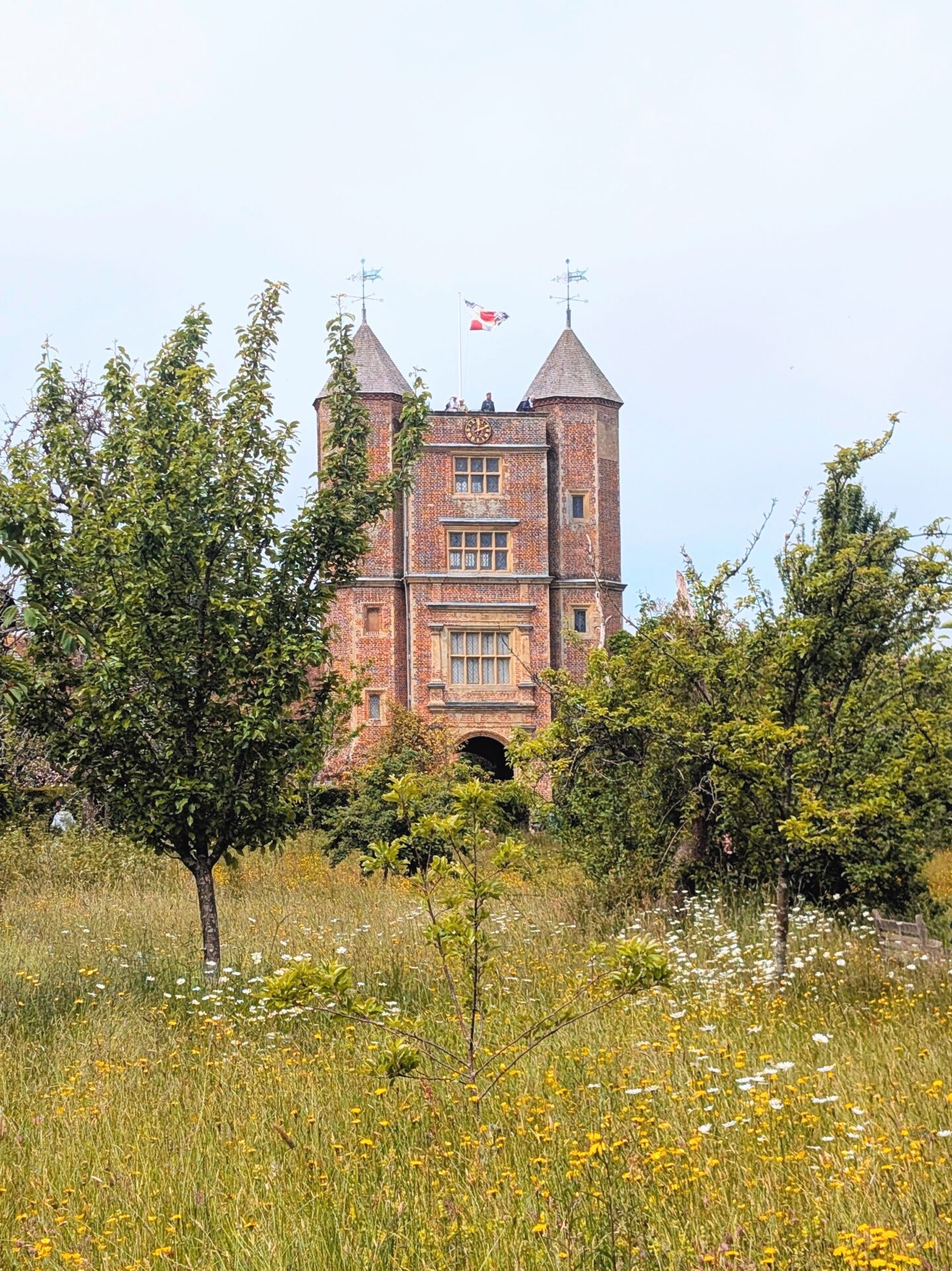
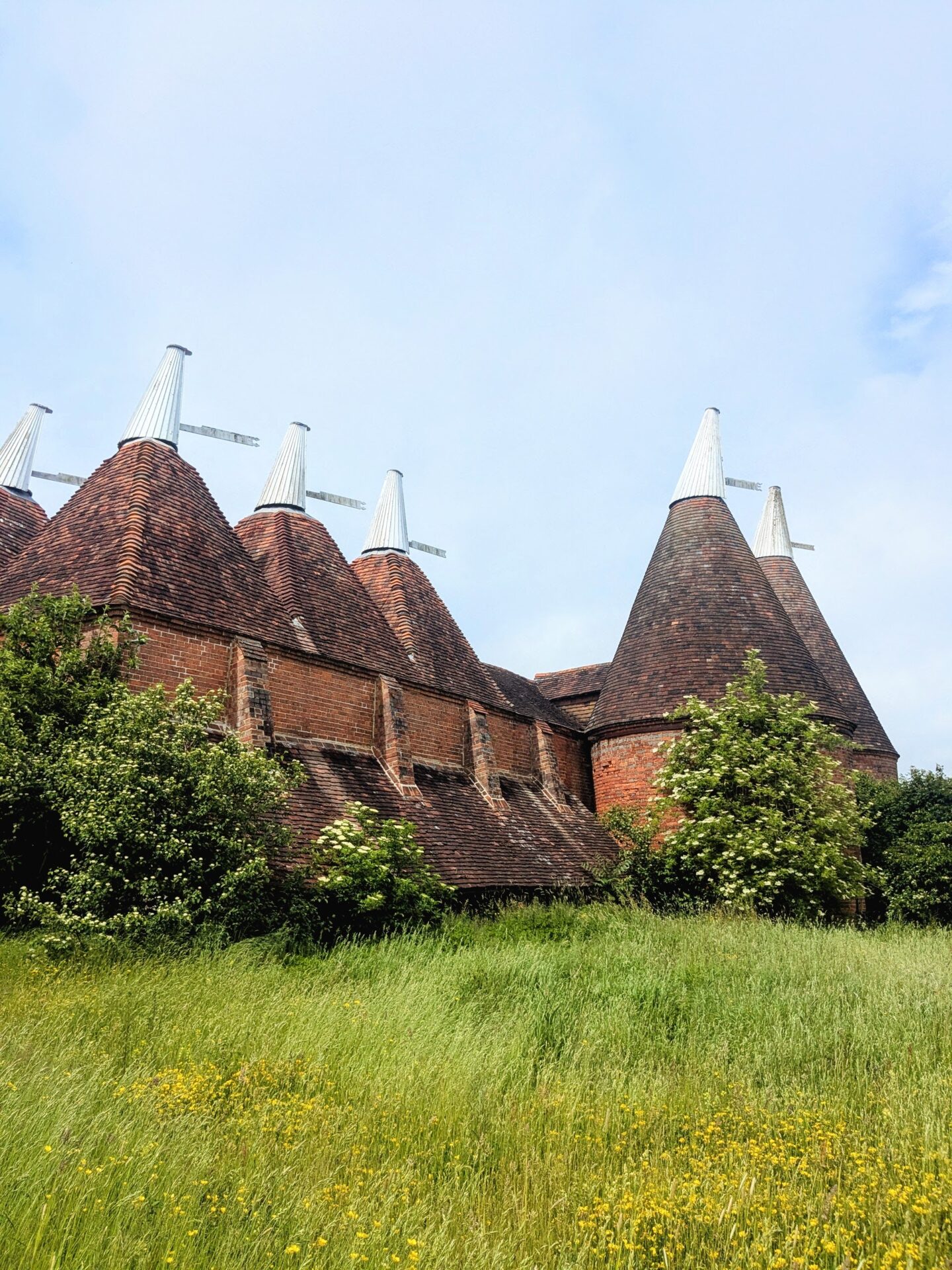
Originally a medieval manor house, Sissinghurst has had many lives. It was used as a prison camp for French sailors in the 18th century and later fell into ruin. That was until writer Vita Sackville-West and her husband Harold Nicolson bought it in the 1930s. Over the next few decades, they transformed the grounds into a masterpiece of garden design.
Vita was a poet, novelist and passionate gardener. Harold, a diplomat and writer, focused on the layout and structure while Vita brought the planting to life. Their partnership created one of the most iconic gardens in Britain.
Their personal story adds another layer to your Sissinghurst Castle Garden visit. Vita had a long and well-known affair with Virginia Woolf, which was both romantic and creatively significant. The garden reflects this complexity – it’s artistic, romantic, structured and wild all at once.
Echoes of the Past: The French Prisoners
Sissinghurst Castle has worn many hats over the centuries, but one of the most surprising chapters is its time as a prison camp for French sailors during the Seven Years’ War in the 1700s. The prisoners were held in dreadful conditions inside what was then a dilapidated Elizabethan mansion. They were crammed into overcrowded rooms with little food, poor sanitation and barely any warmth through the winter. Many fell ill, and the treatment they received was harsh even by the standards of the time.
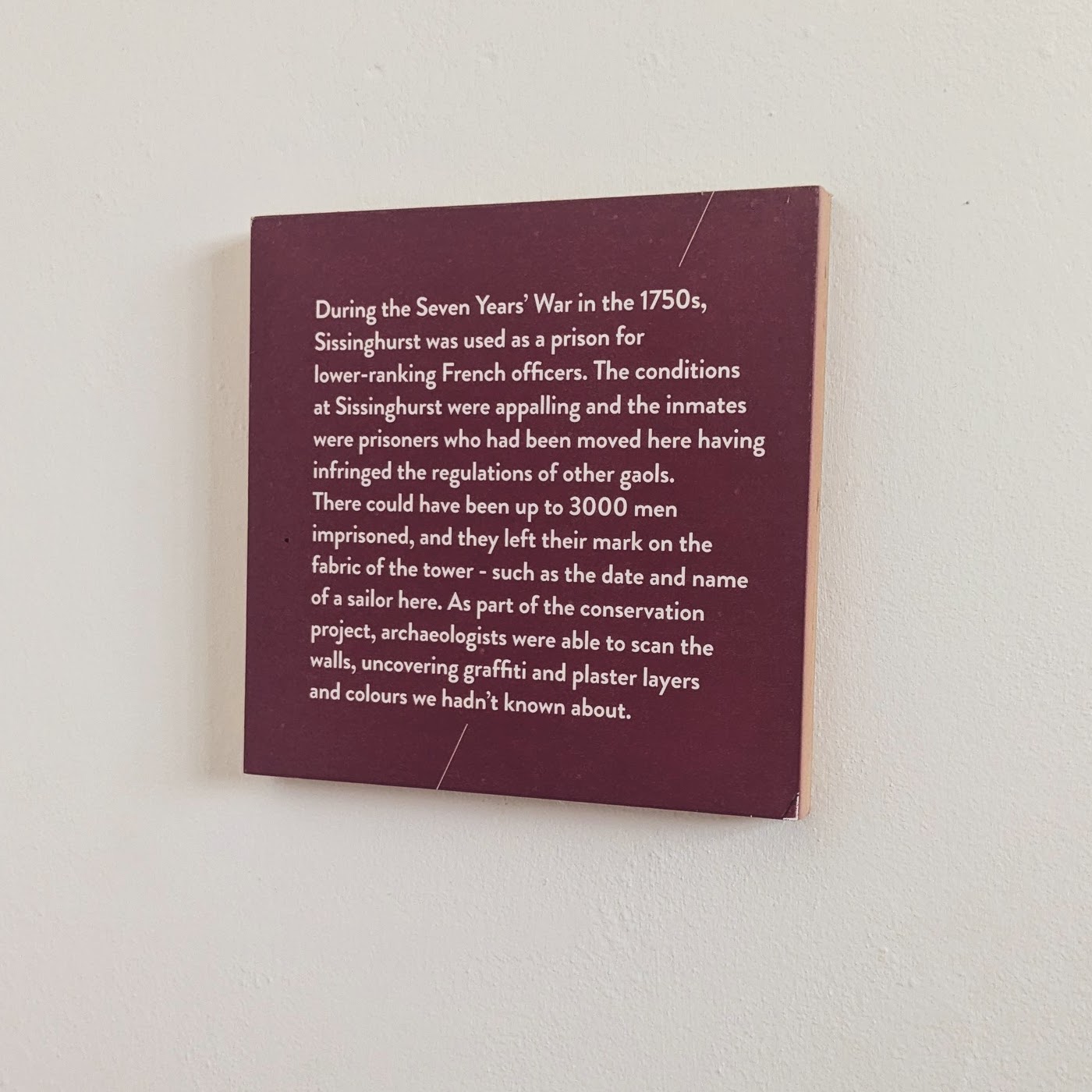
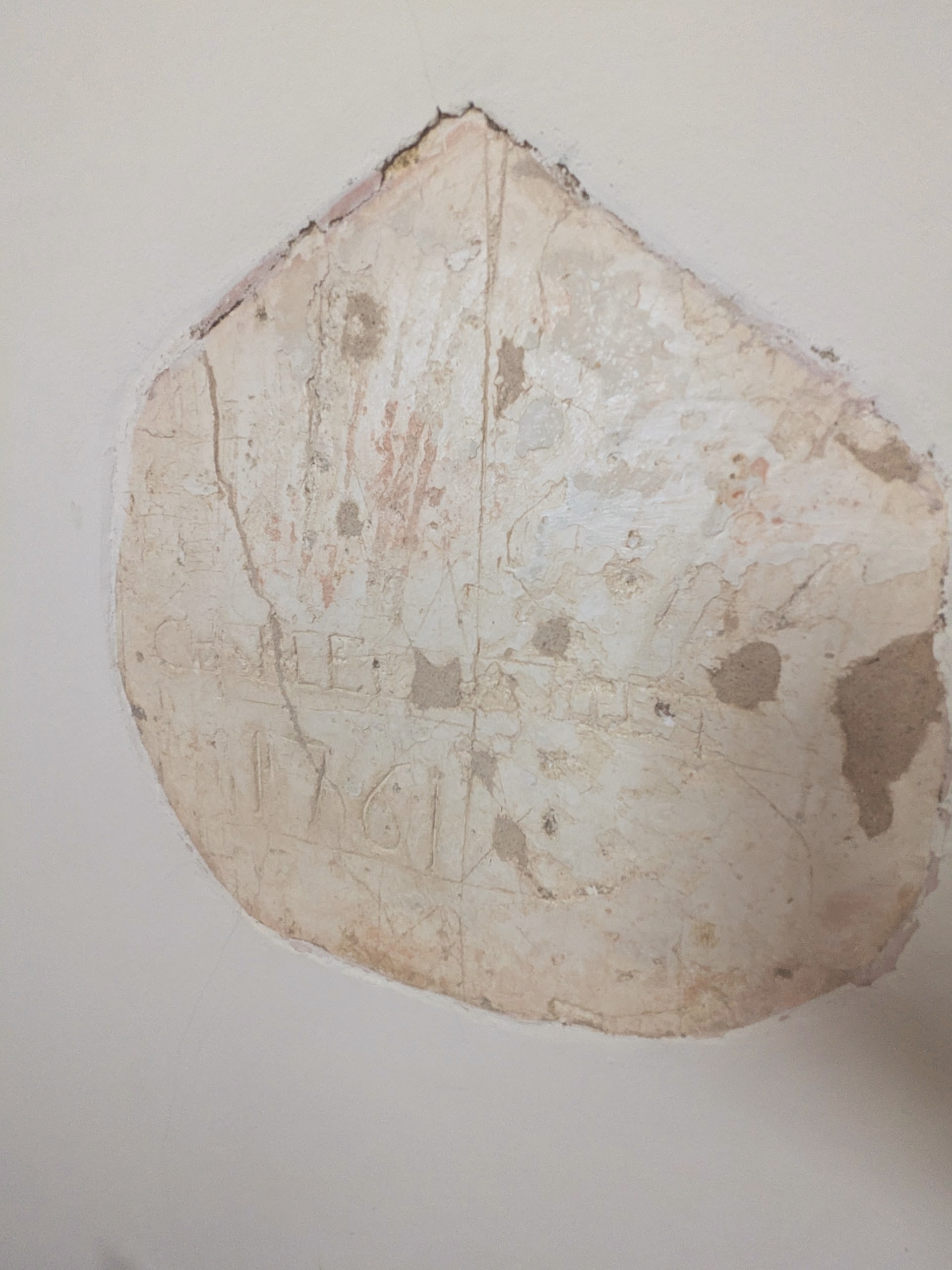
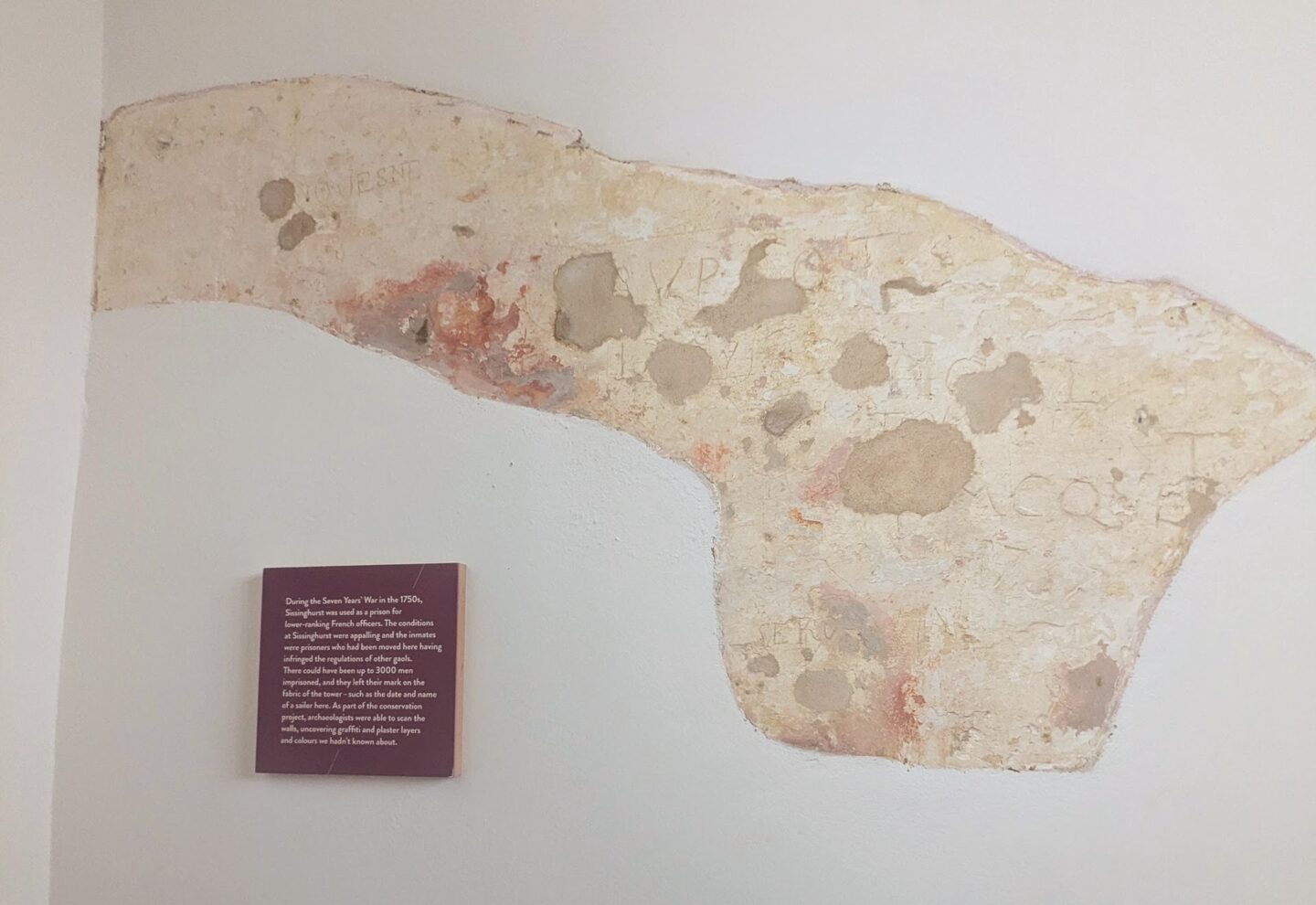
What’s especially haunting is that some of the French prisoners left their mark behind. If you peer closely around the property, especially in the tower, you can still see carvings they etched into the stone walls, quietly preserved as part of the site’s layered history. It adds a sobering contrast to the romantic beauty of the gardens — a reminder that these walls have witnessed more than just roses and poetry.
Exploring the Garden Rooms
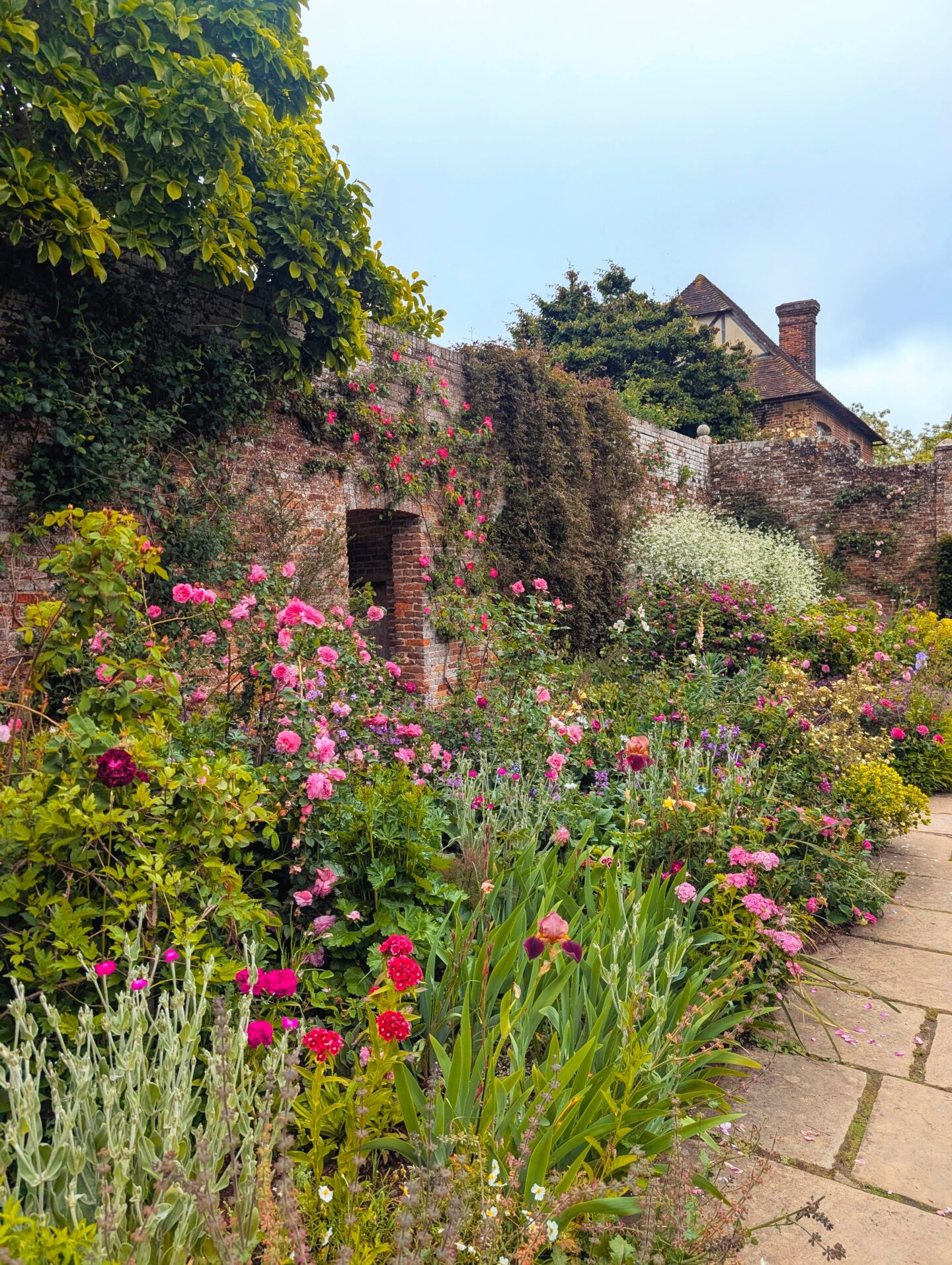
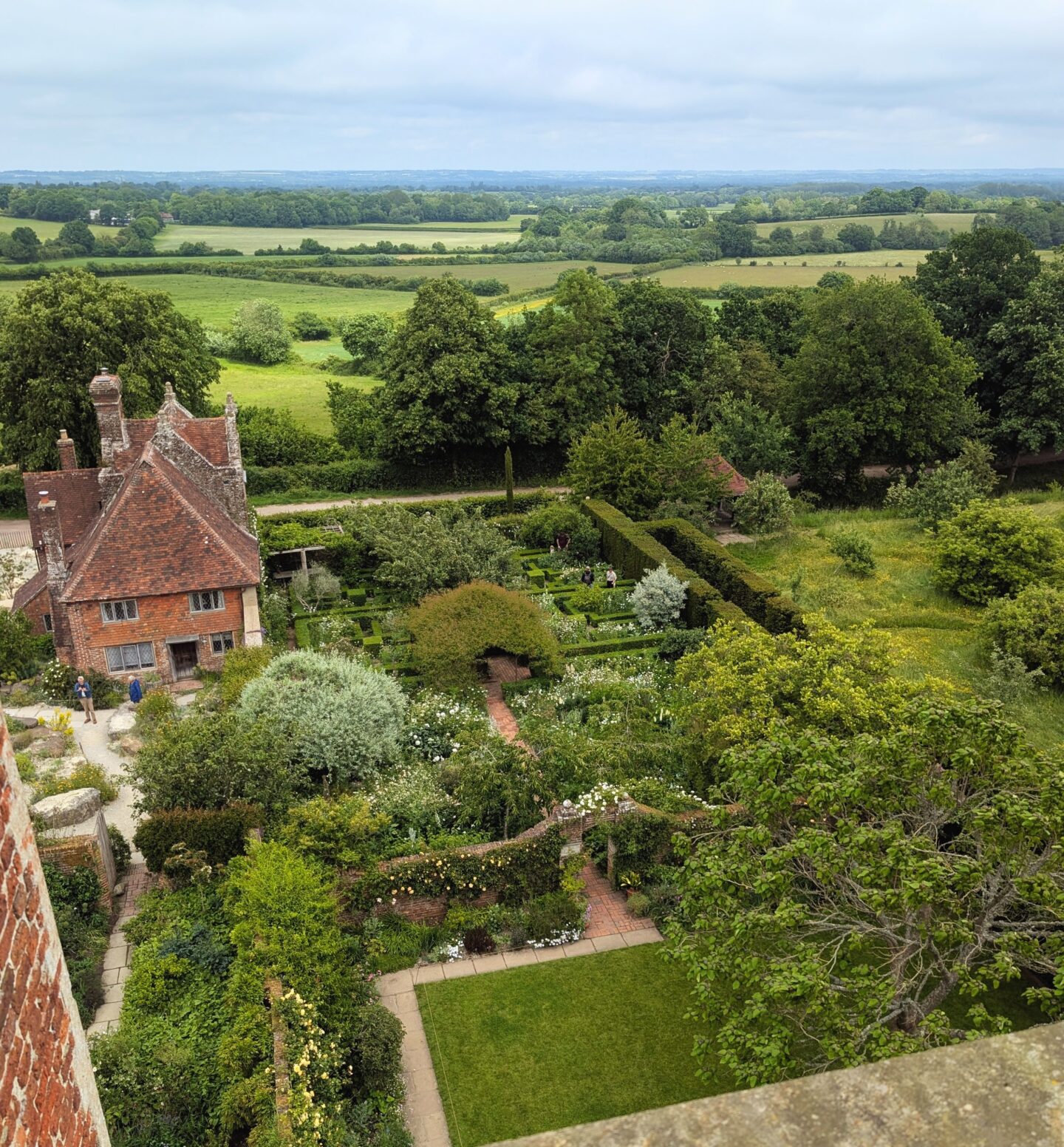
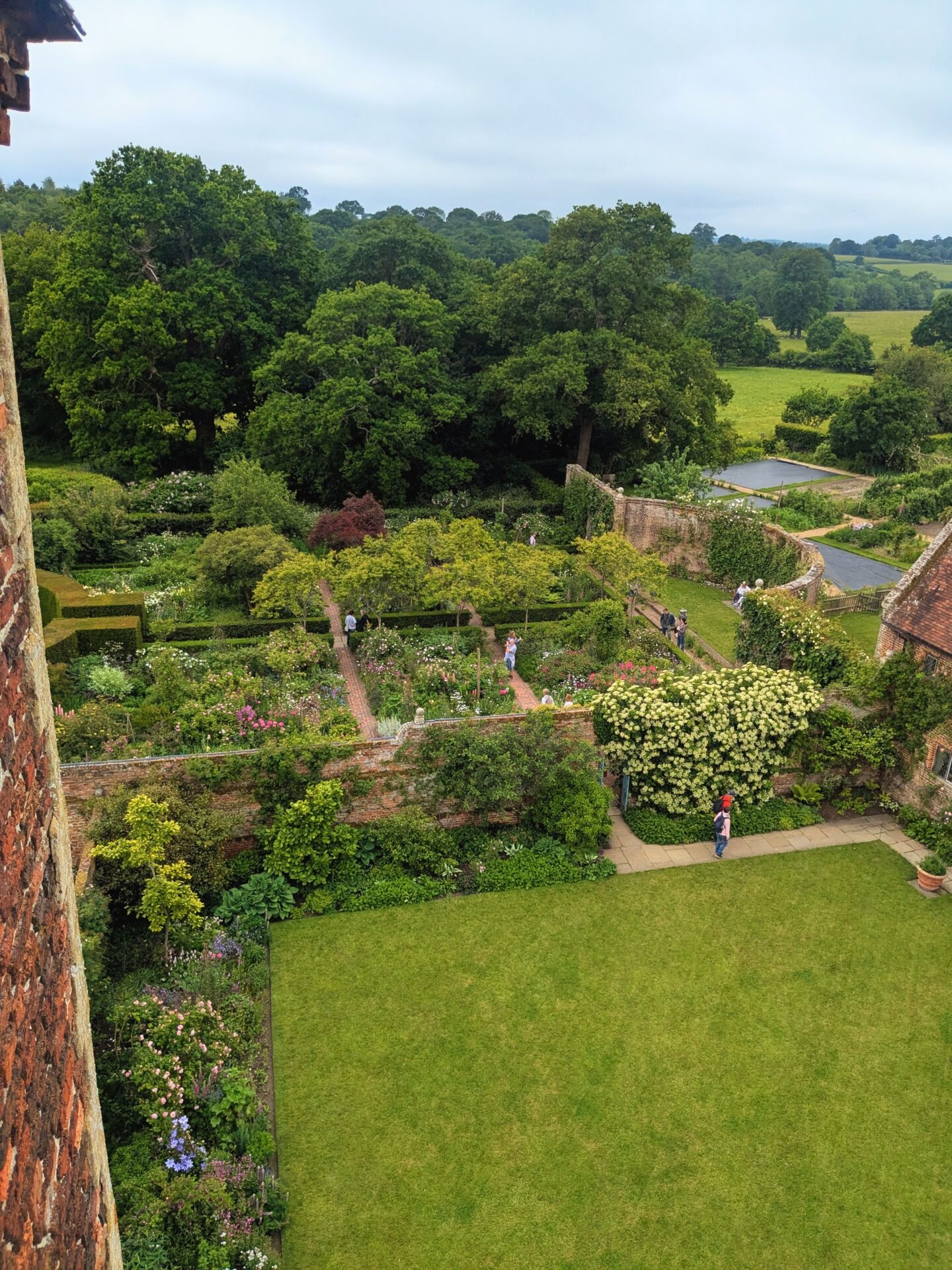
Sissinghurst is famous for its series of garden “rooms”, each with its own theme, mood and colour scheme. As we wandered through them during our Sissinghurst Castle Garden Visit, it felt like opening a new chapter with every turn.
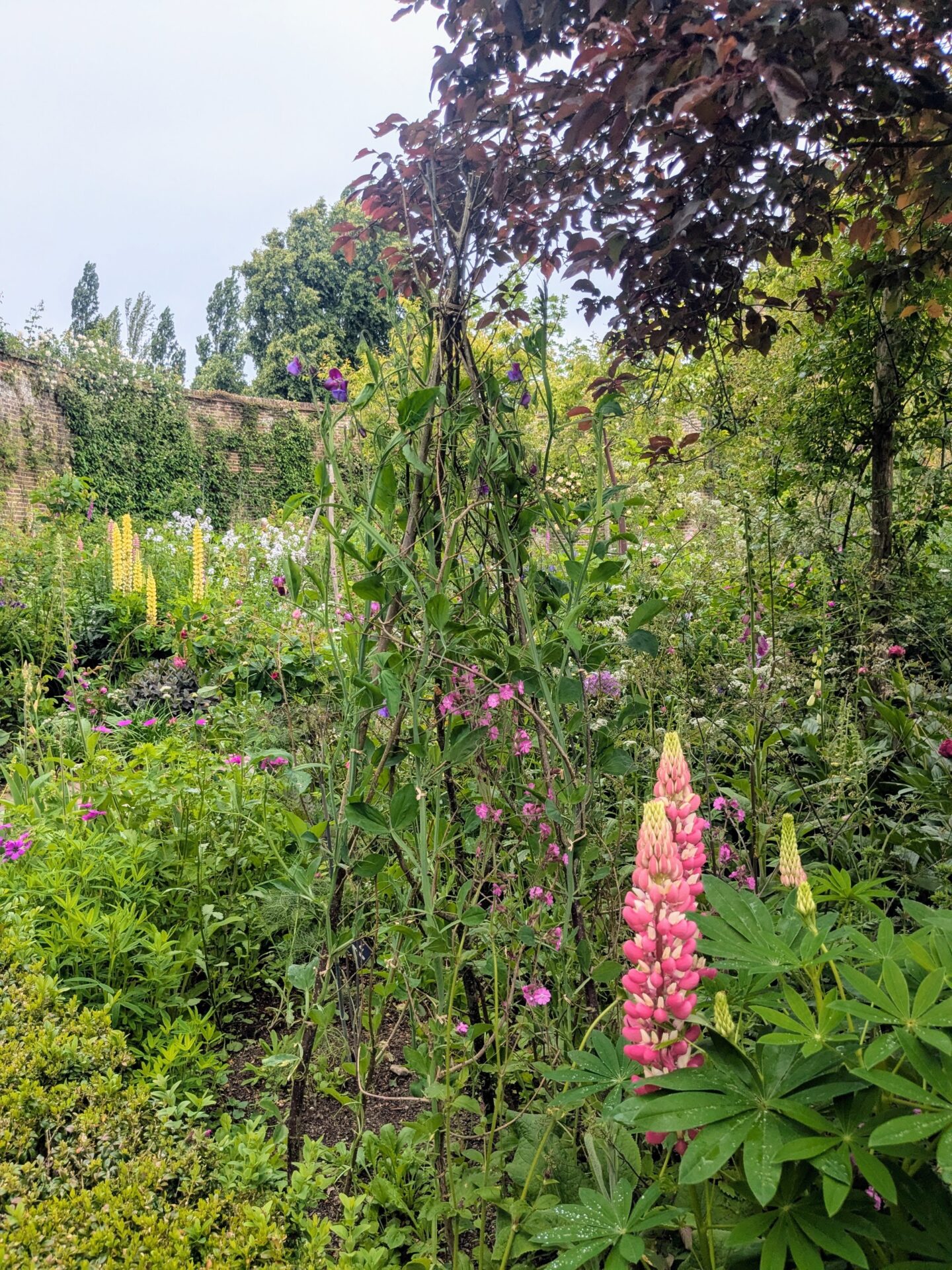
The White Garden
Perhaps the most famous of them all. The White Garden was Vita’s idea, a space planted entirely with white and silver flowers. Think white roses, lilies, and dusty miller. It felt serene and dreamlike, especially with the surrounding green hedges and soft breeze rustling through.
The Rose Garden
In contrast, this area was full of bold colours and scent. Old English roses spilled over pathways and climbed trellises. Vita cared more about fragrance and atmosphere than perfect symmetry, and it shows. It felt alive and full of personality.
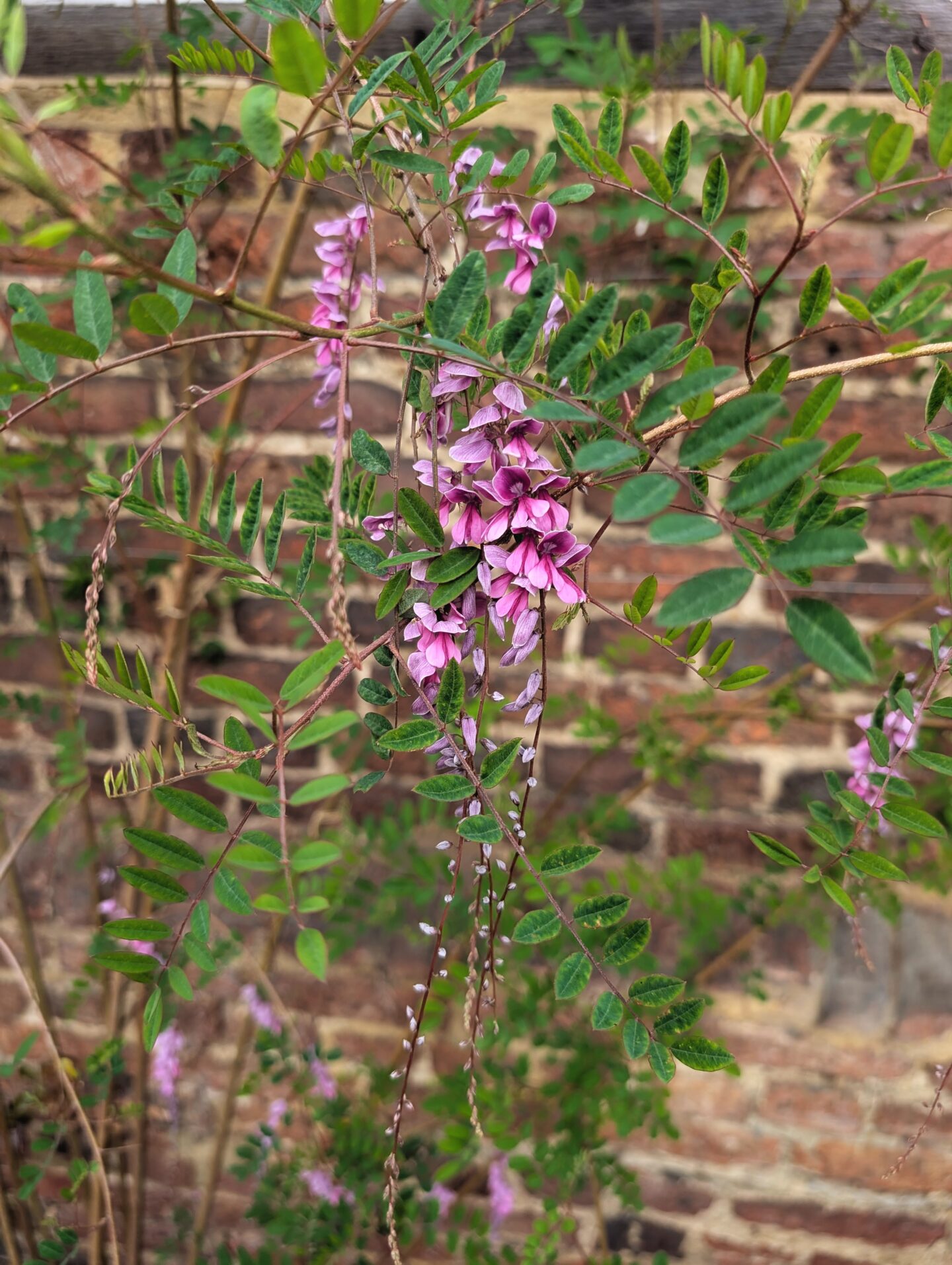
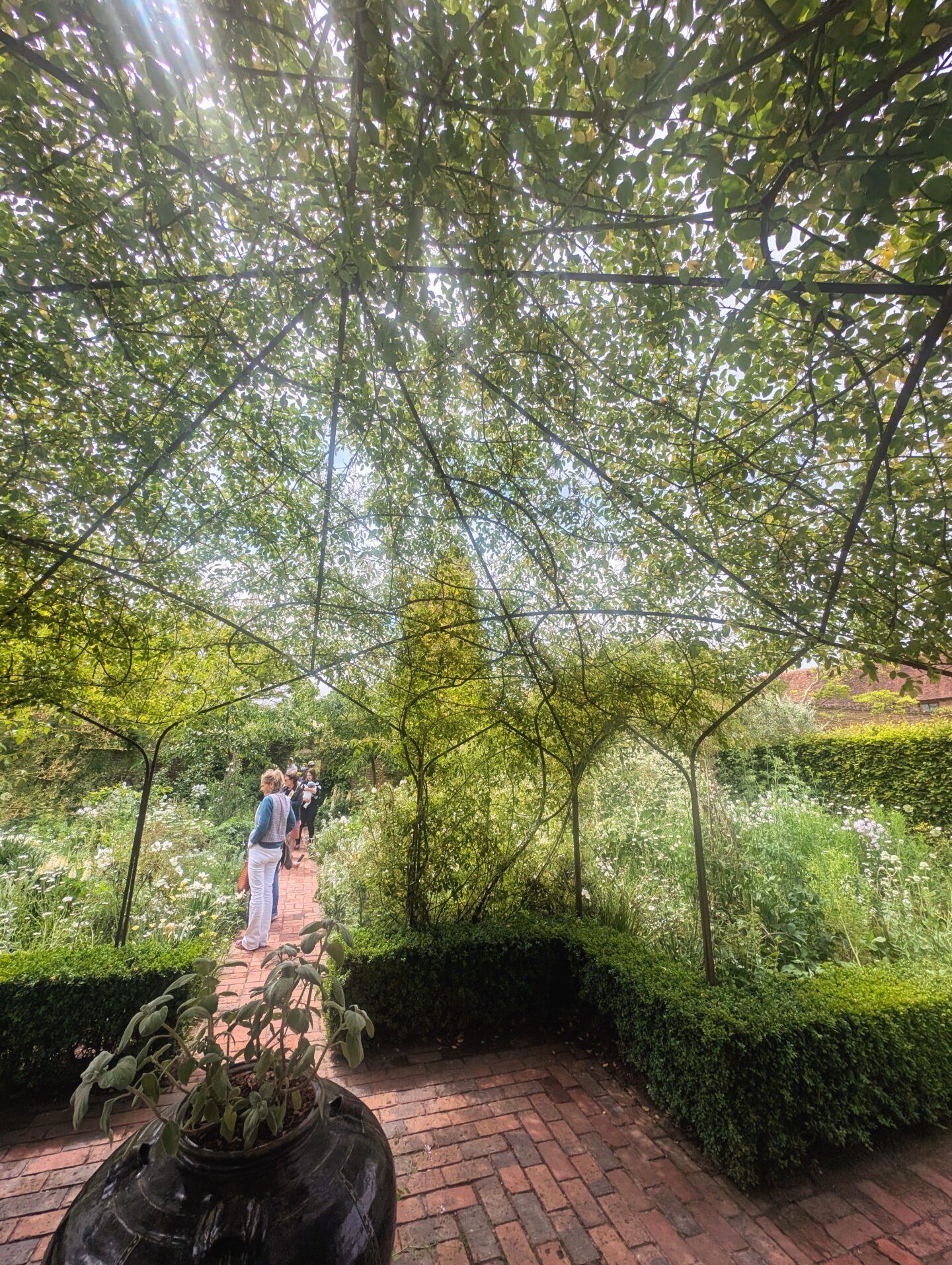
The Cottage and Herb Gardens
These areas had a lovely balance between ornamental and useful. Rows of herbs, edible flowers and old-fashioned perennials created a relaxed, country-garden feel. It was exactly the kind of planting that makes you want to get home and sow something straight away.
The Lime Walk and Nuttery
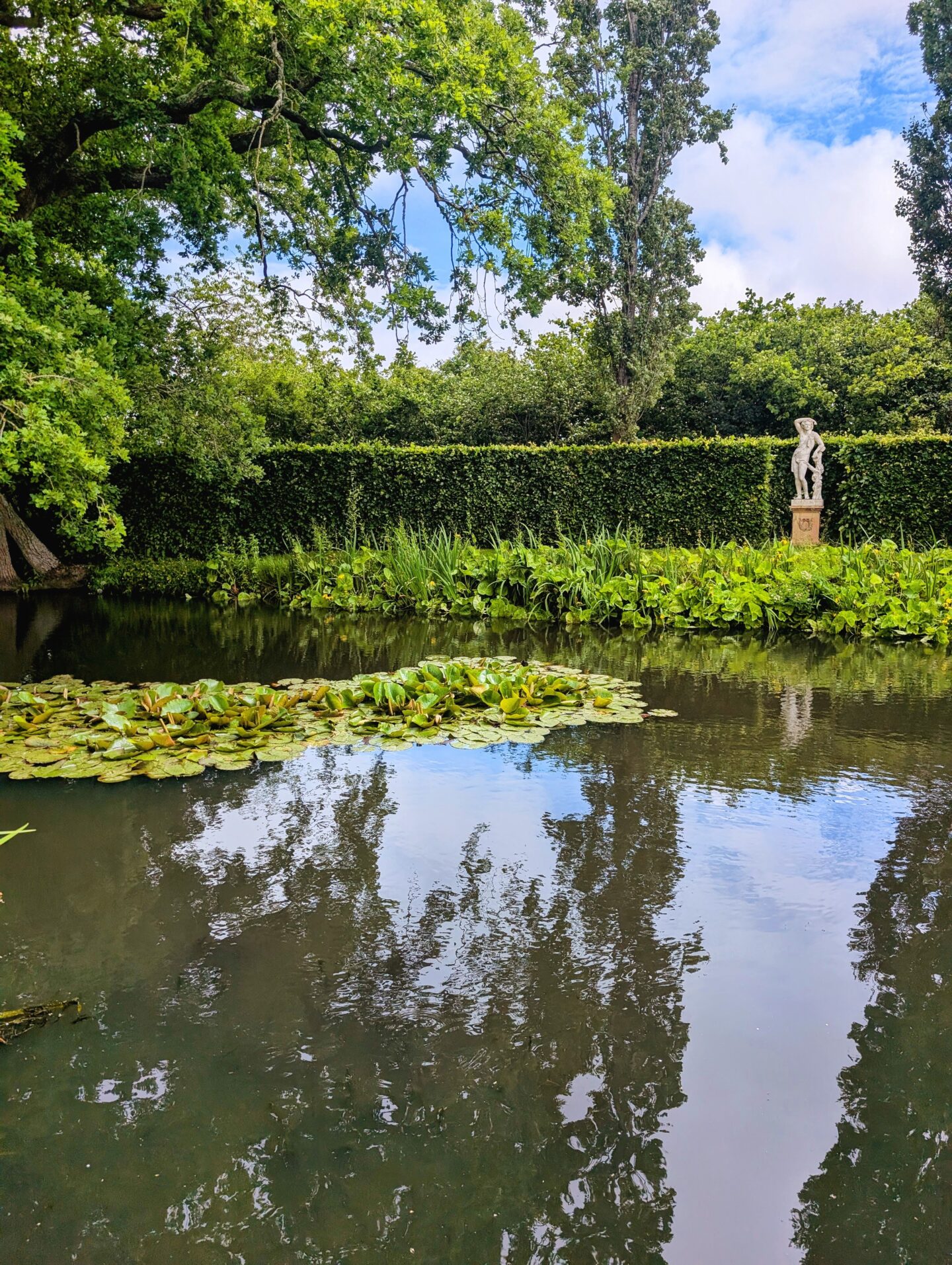
Shaded paths beneath limes and rows of hazel trees created cool, quiet moments in the walk. This section gave us a peaceful pause from the more intense flower beds.
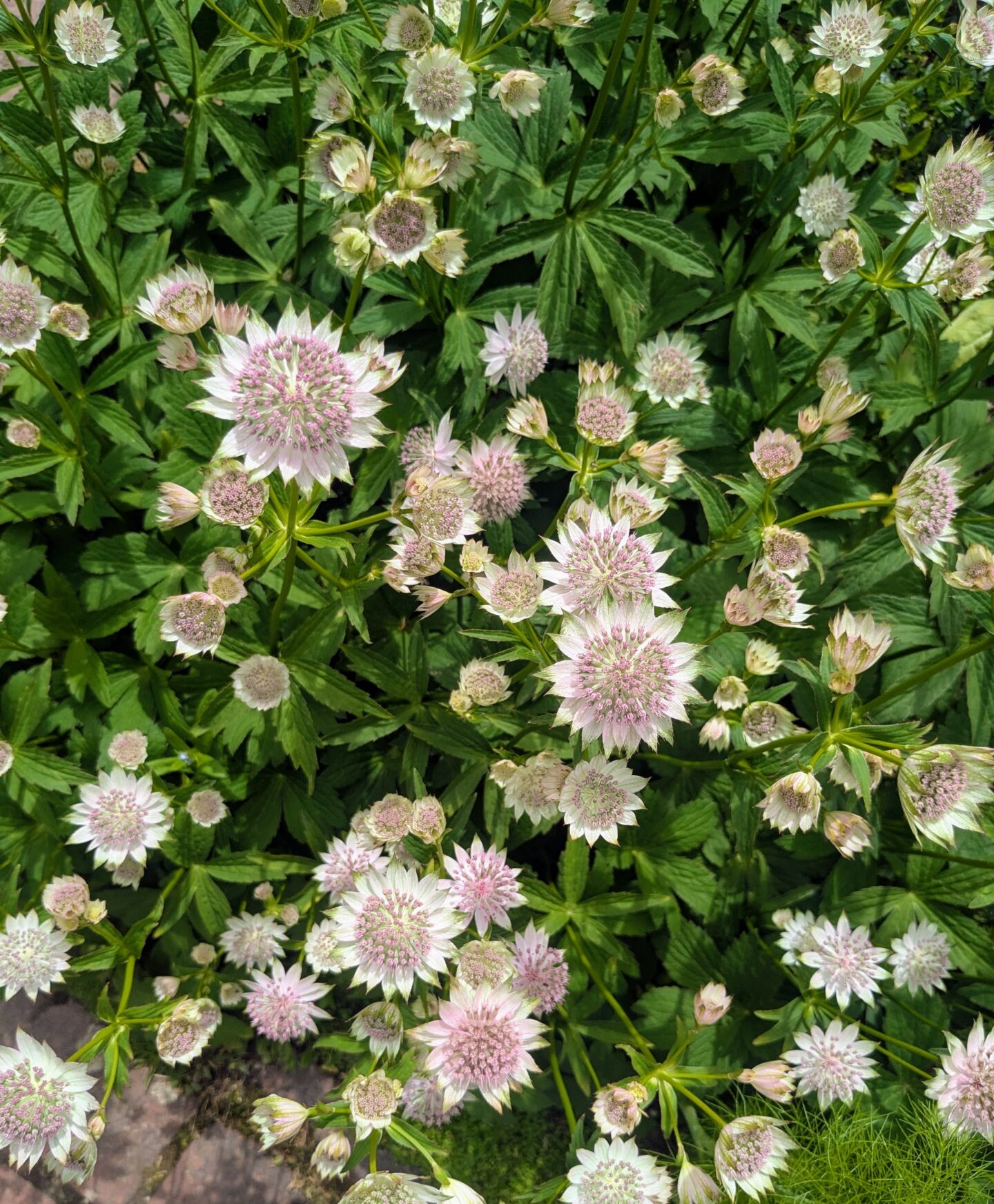
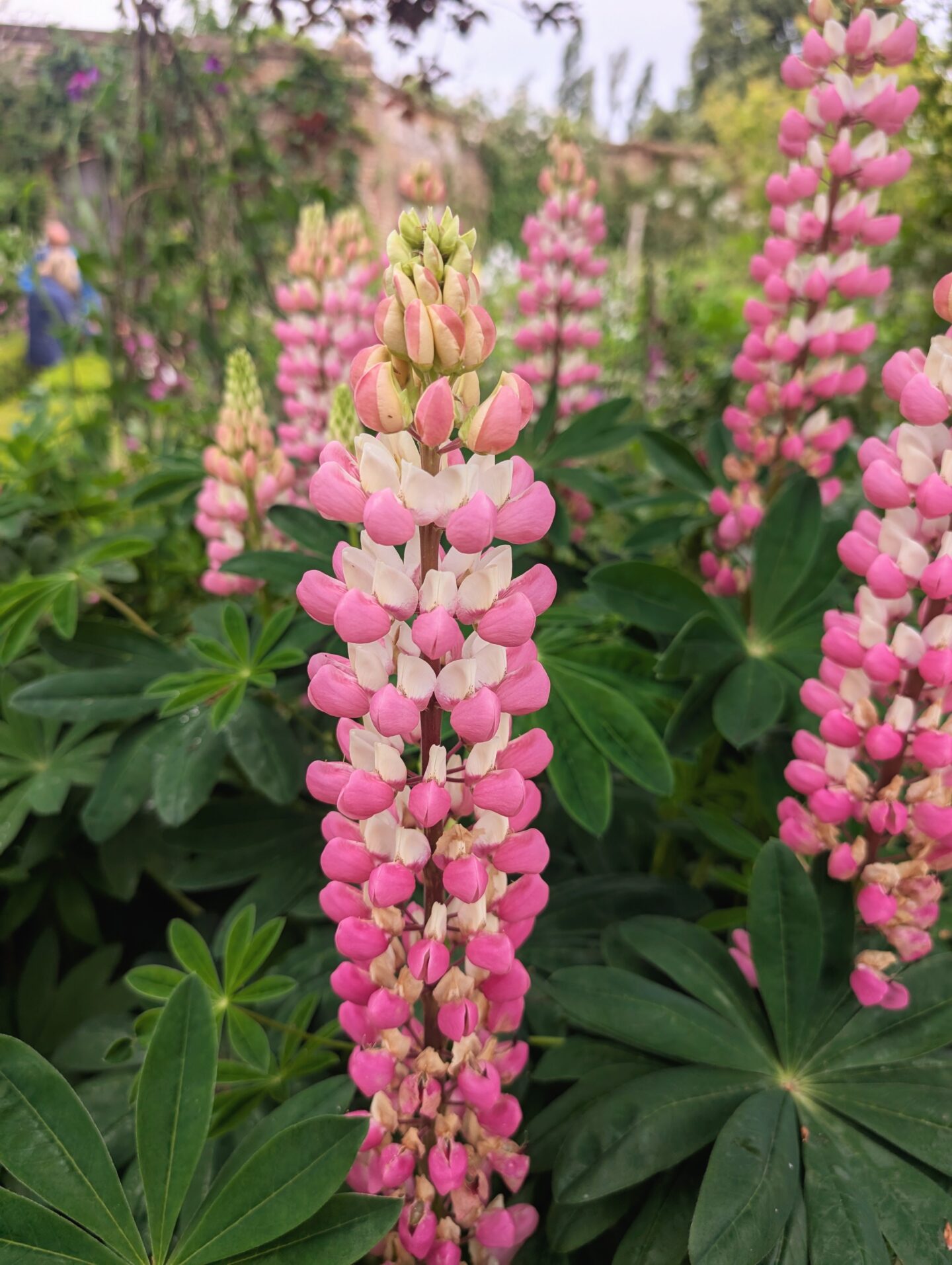
The Allotment Gardens and No Dig Approach
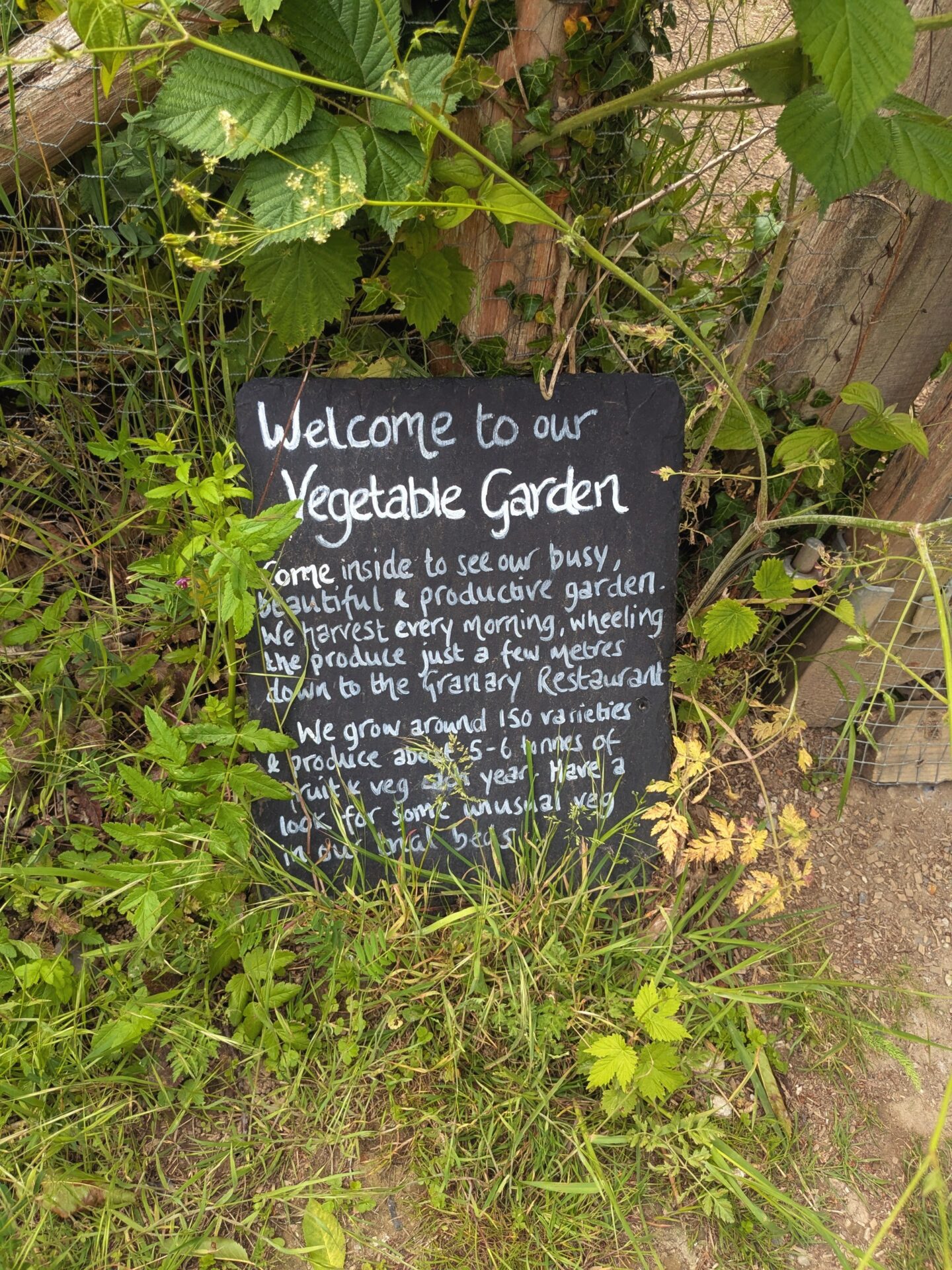
One of the highlights of our Sissinghurst Castle Garden visit was discovering their organic allotment garden, run using no dig principles. As keen allotment holders ourselves, we were thrilled to see their incredible vegetable garden in action.
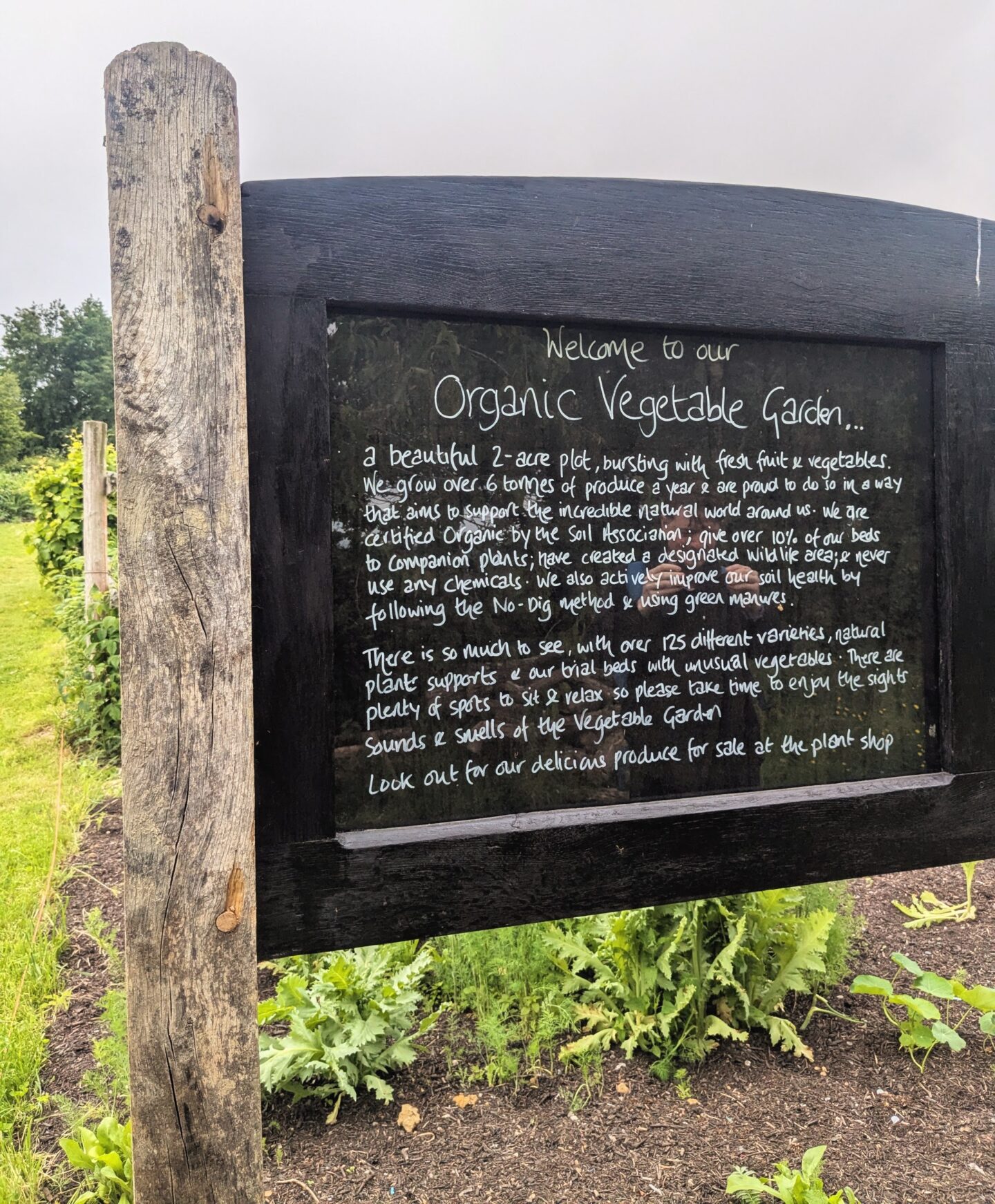
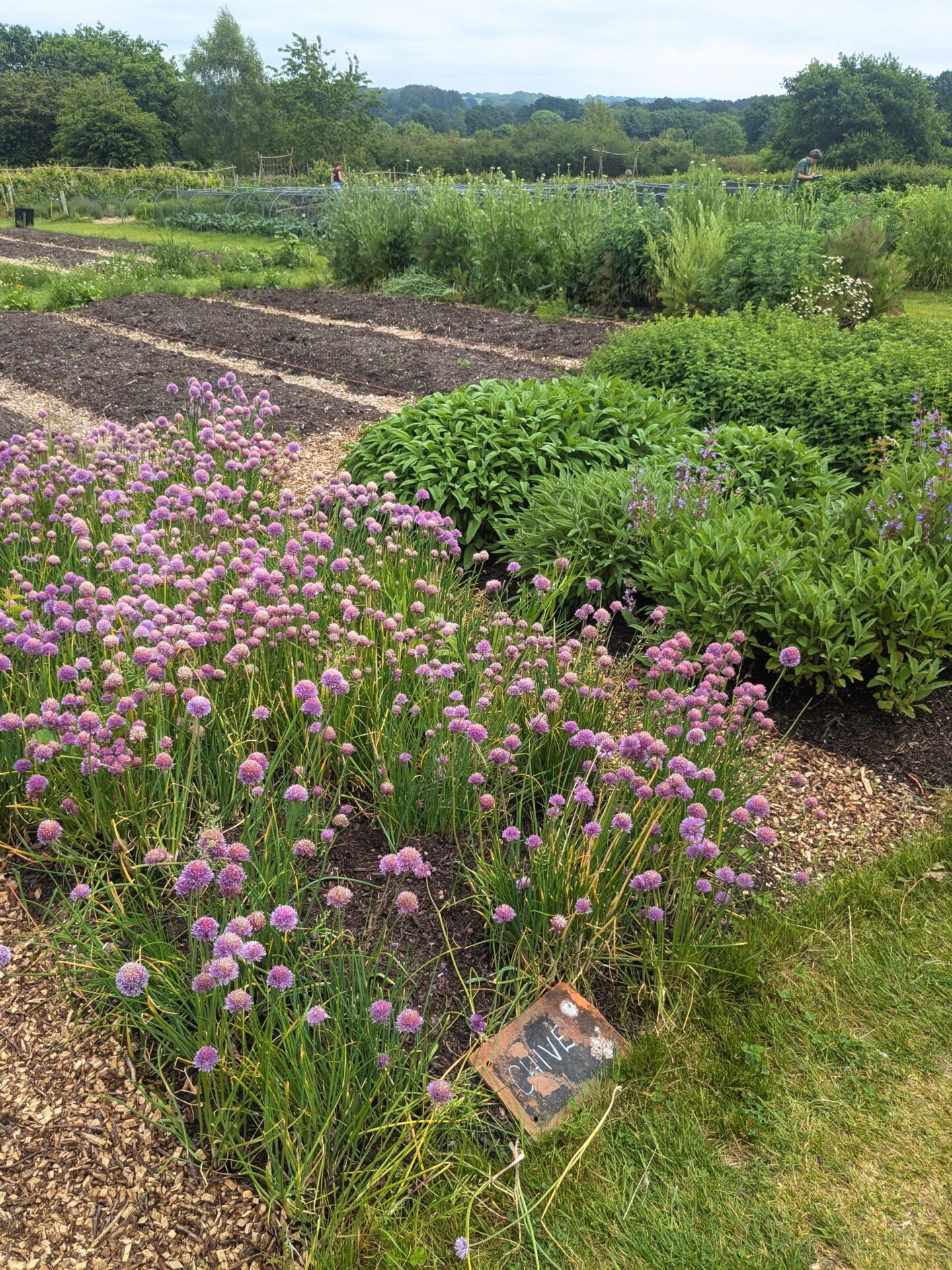
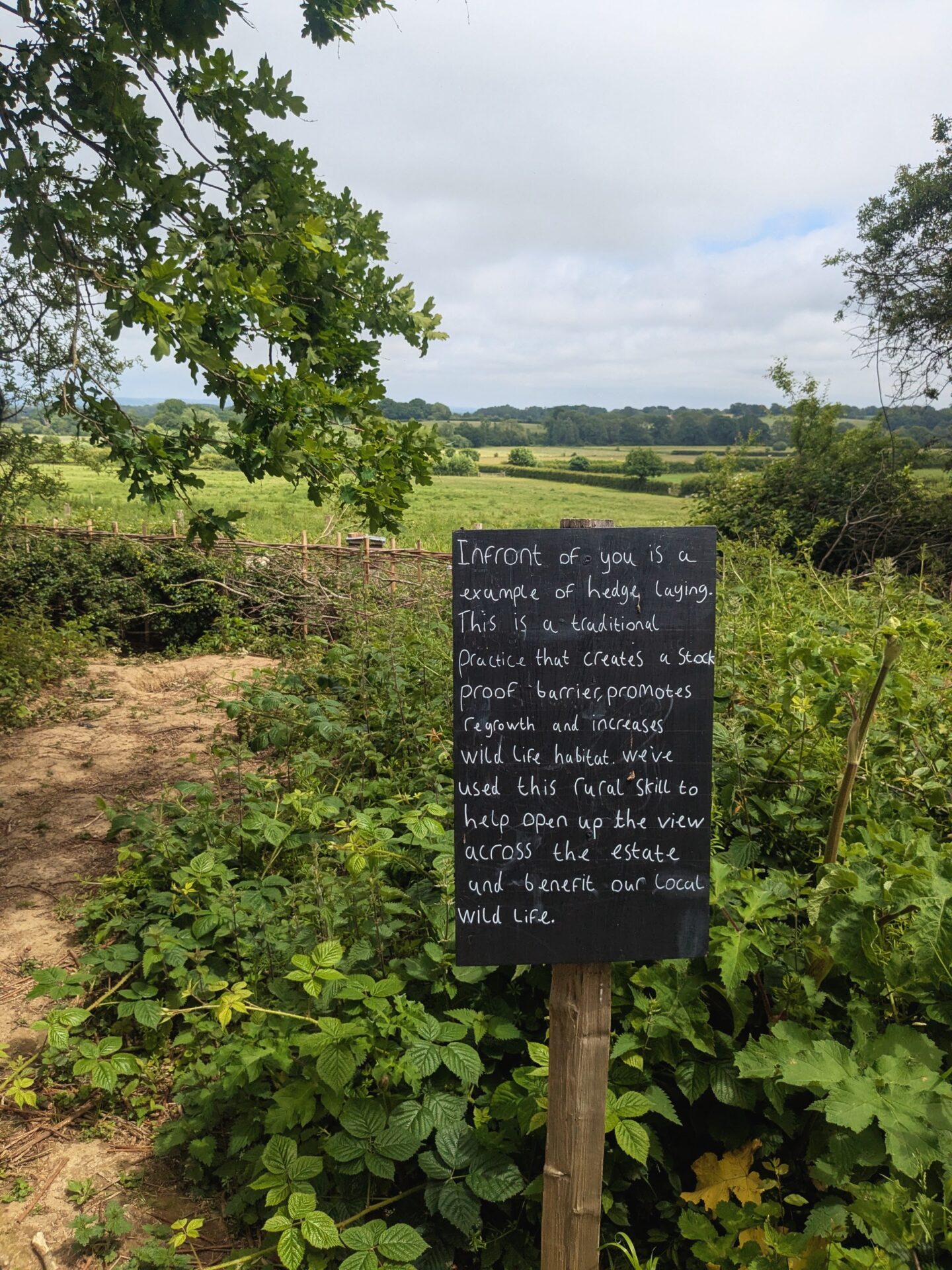
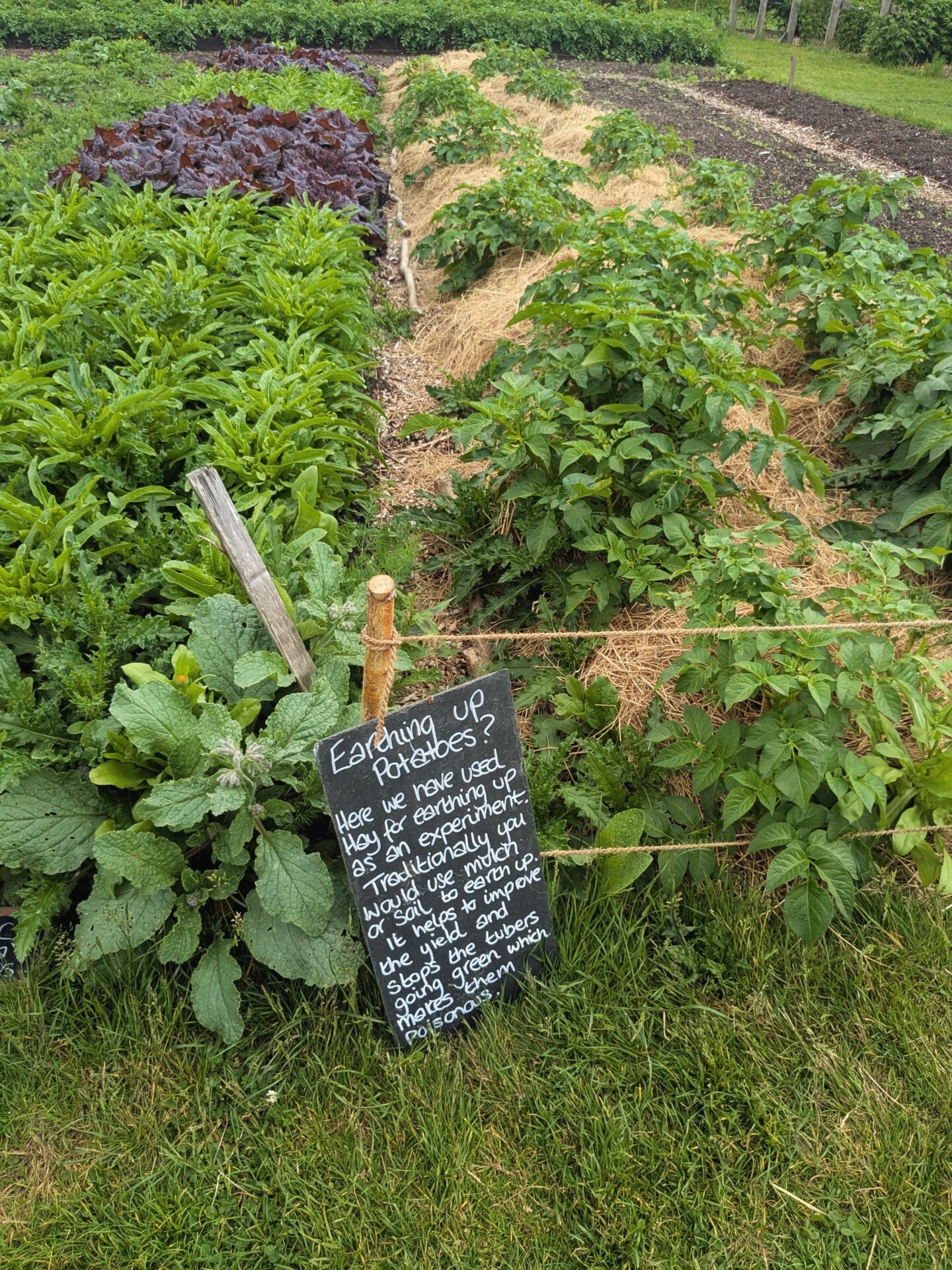
The garden sits within the historic walls of what was once the old kitchen garden. Today, it’s managed as a productive space that reflects modern sustainable growing methods while still honouring traditional techniques. Beds are mulched with compost rather than dug, improving soil structure and encouraging biodiversity. It’s a working garden where fruit, vegetables, herbs and edible flowers are grown throughout the year. Plants are chosen for their biodiversity benefits, and everything is designed to improve the soil long term. Companion planting is used to attract pollinators and repel pests naturally.
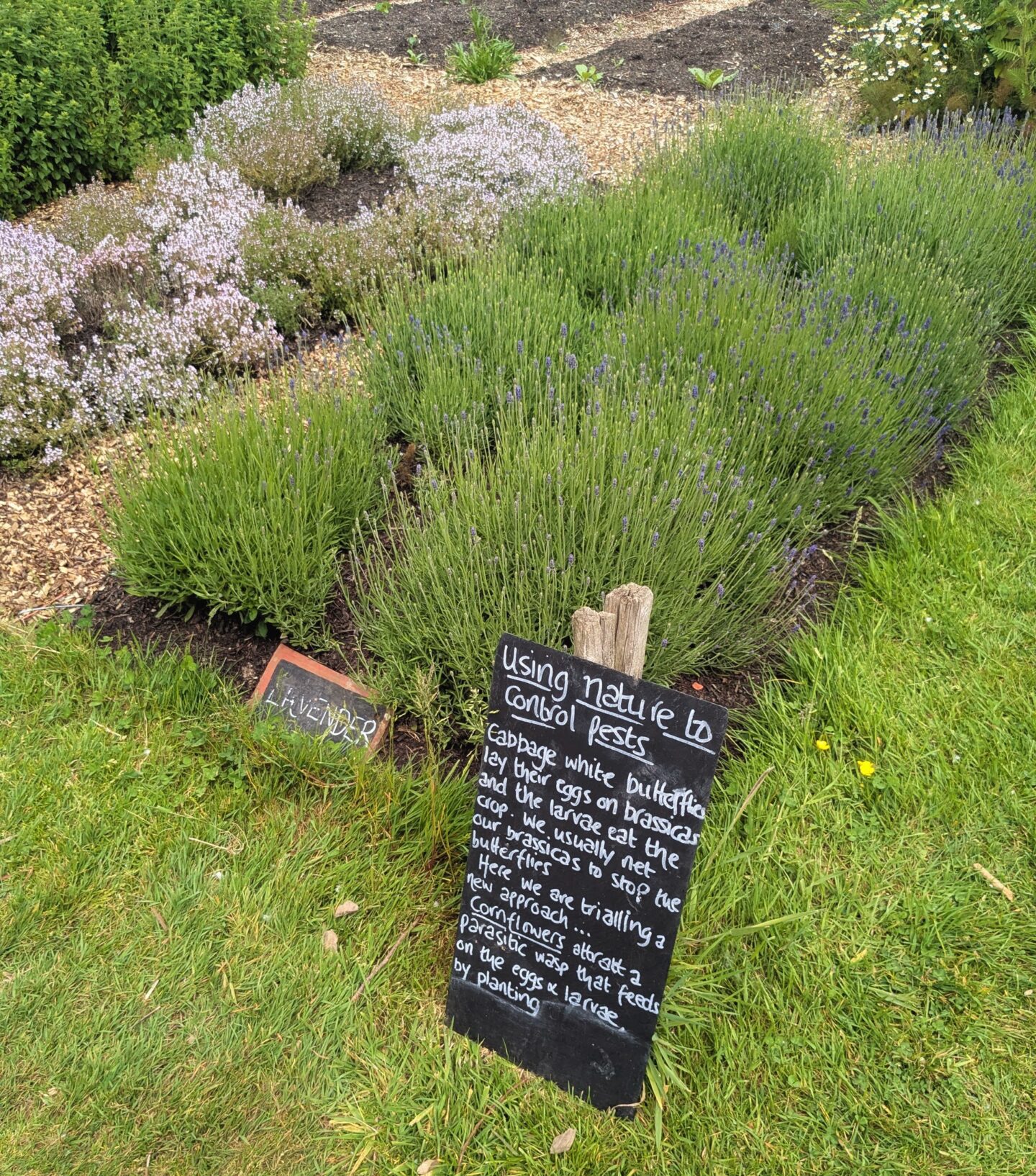
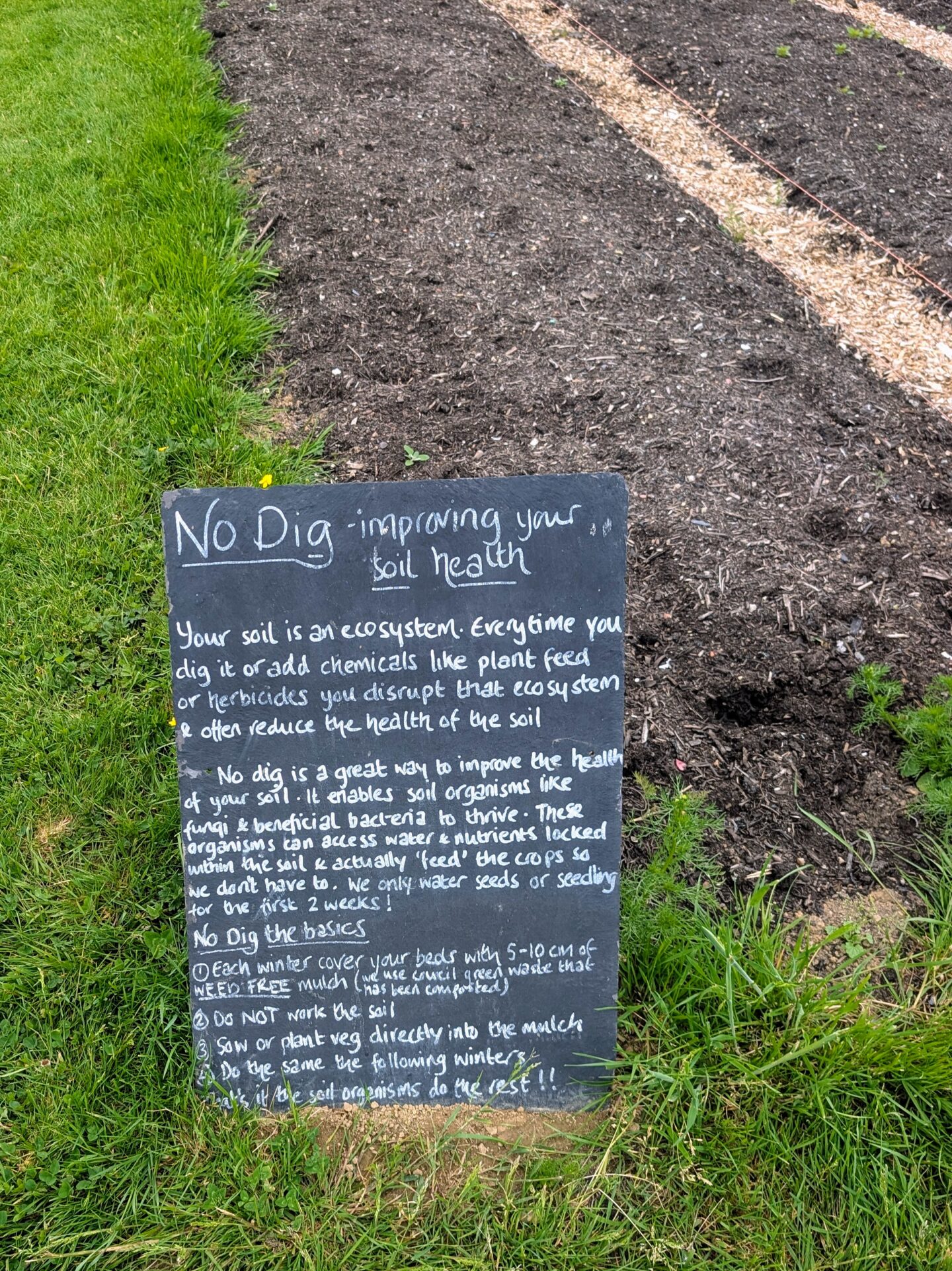
What makes it even more inspiring is that much of the produce is used in the café and sold in the plant shop when there’s a surplus. . This closed-loop approach – from plot to plate – is not only efficient, it’s beautifully thoughtful. We loved how seasonal the whole space felt — with rows of colourful fruit and veg, and flowers planted among to help attract pollinators and deter pests. There are espaliered fruit trees, compost bins and clever companion planting techniques in action.
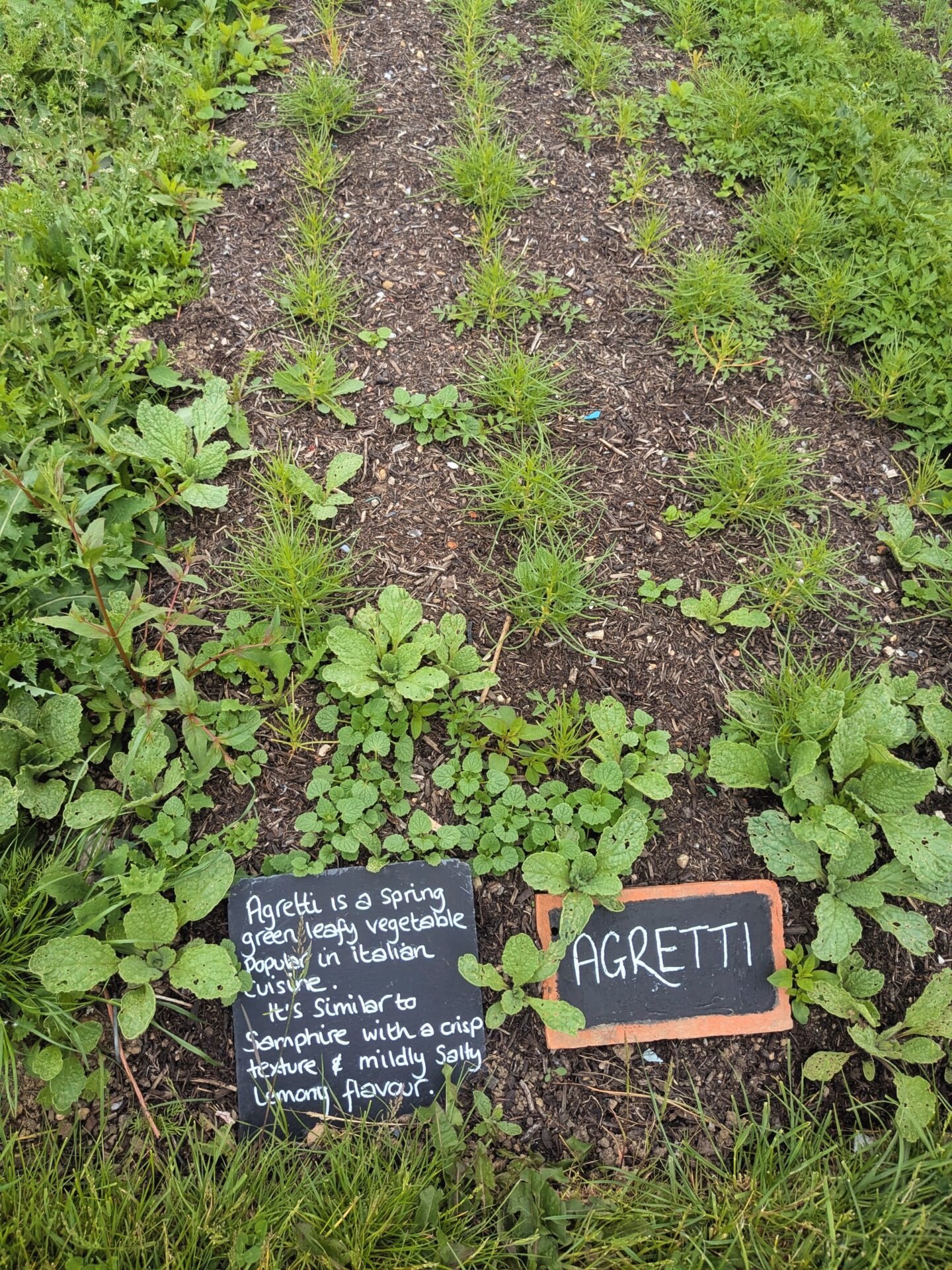
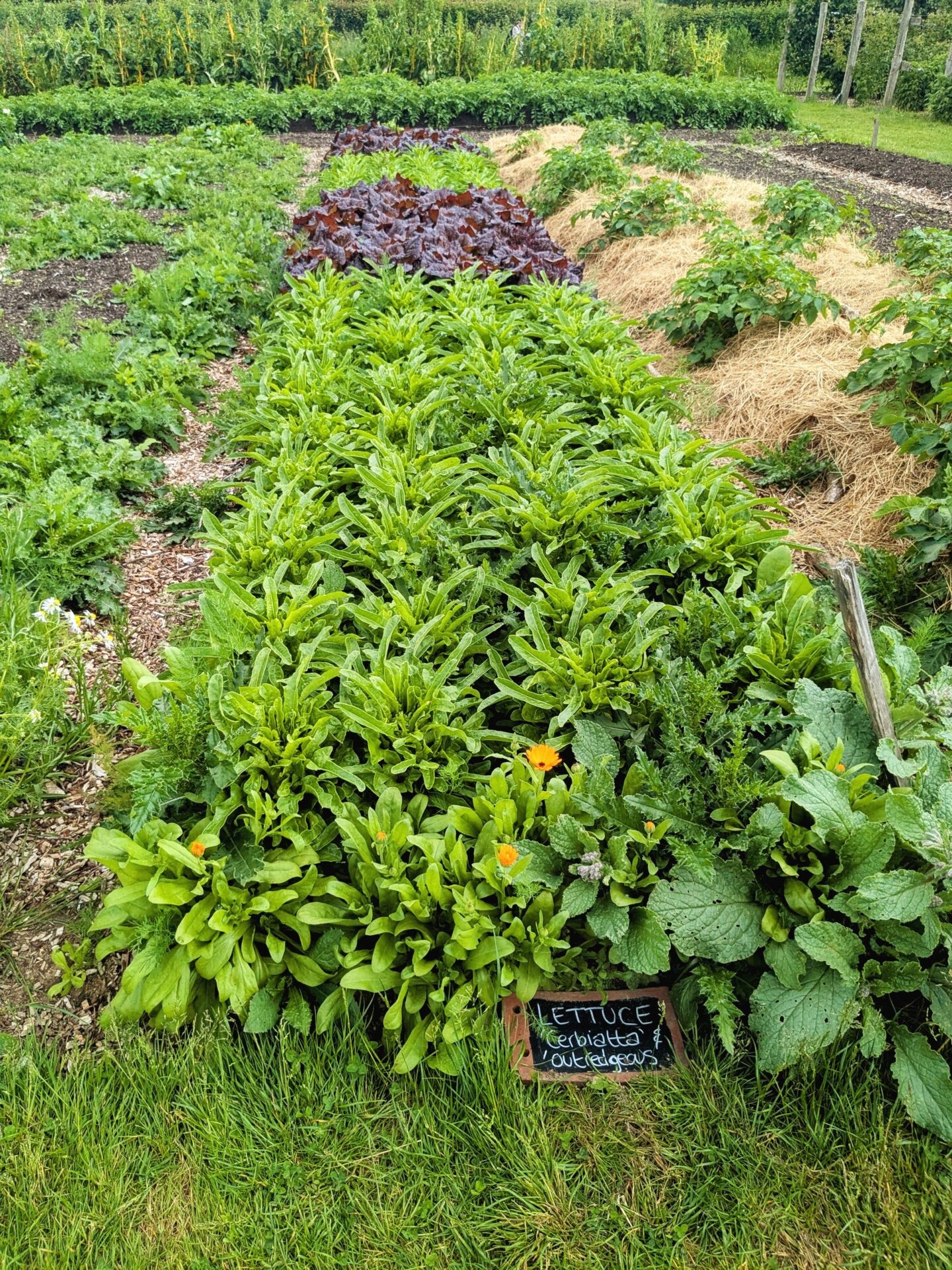
The team also trial new crops and sustainable methods here, so it felt both educational and exciting. If you’re passionate about kitchen gardening or sustainability, this space is a must-see and alone is worth the Sissinghurst Castle Garden visit.
Vita’s Writing Tower
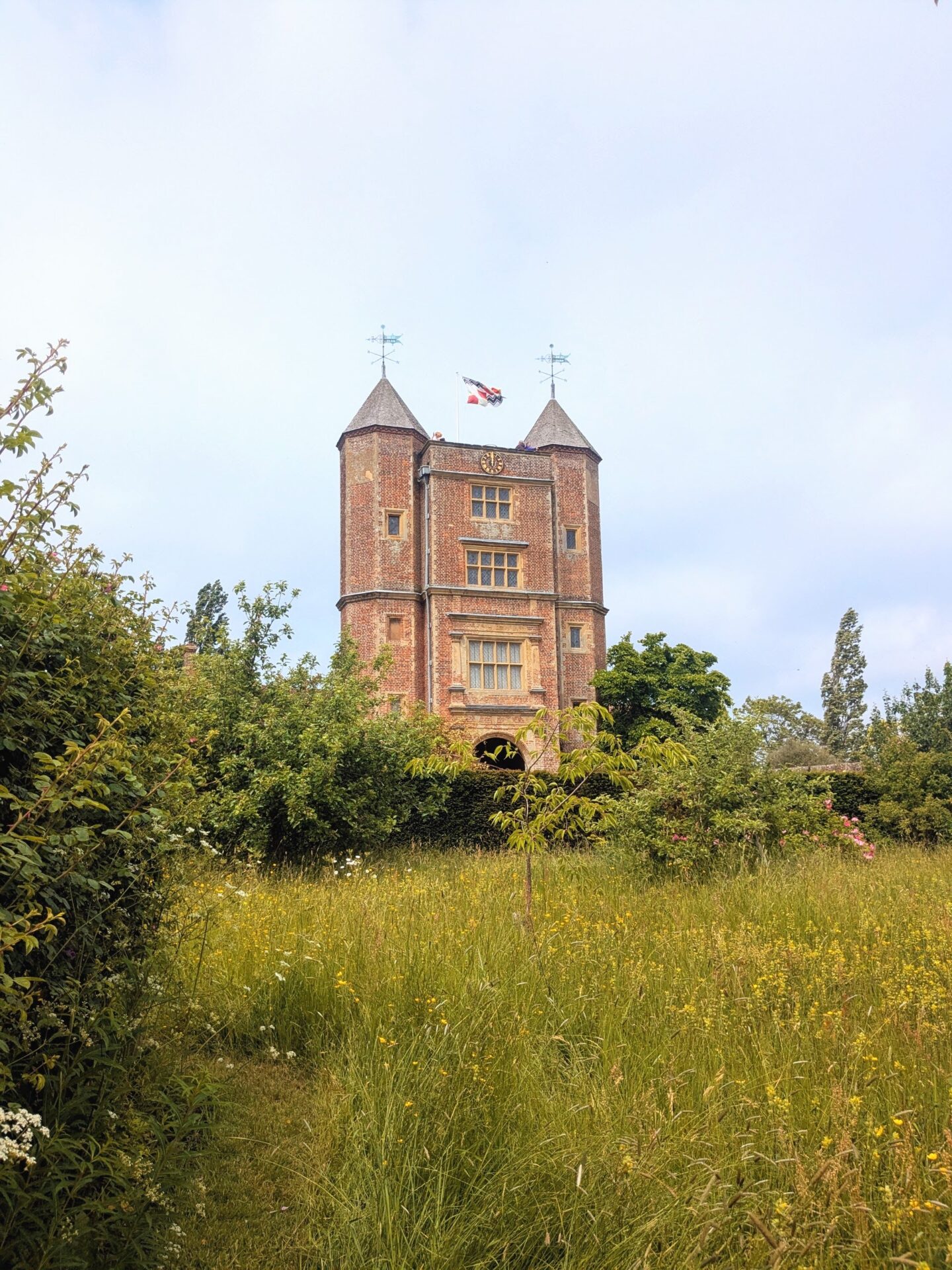
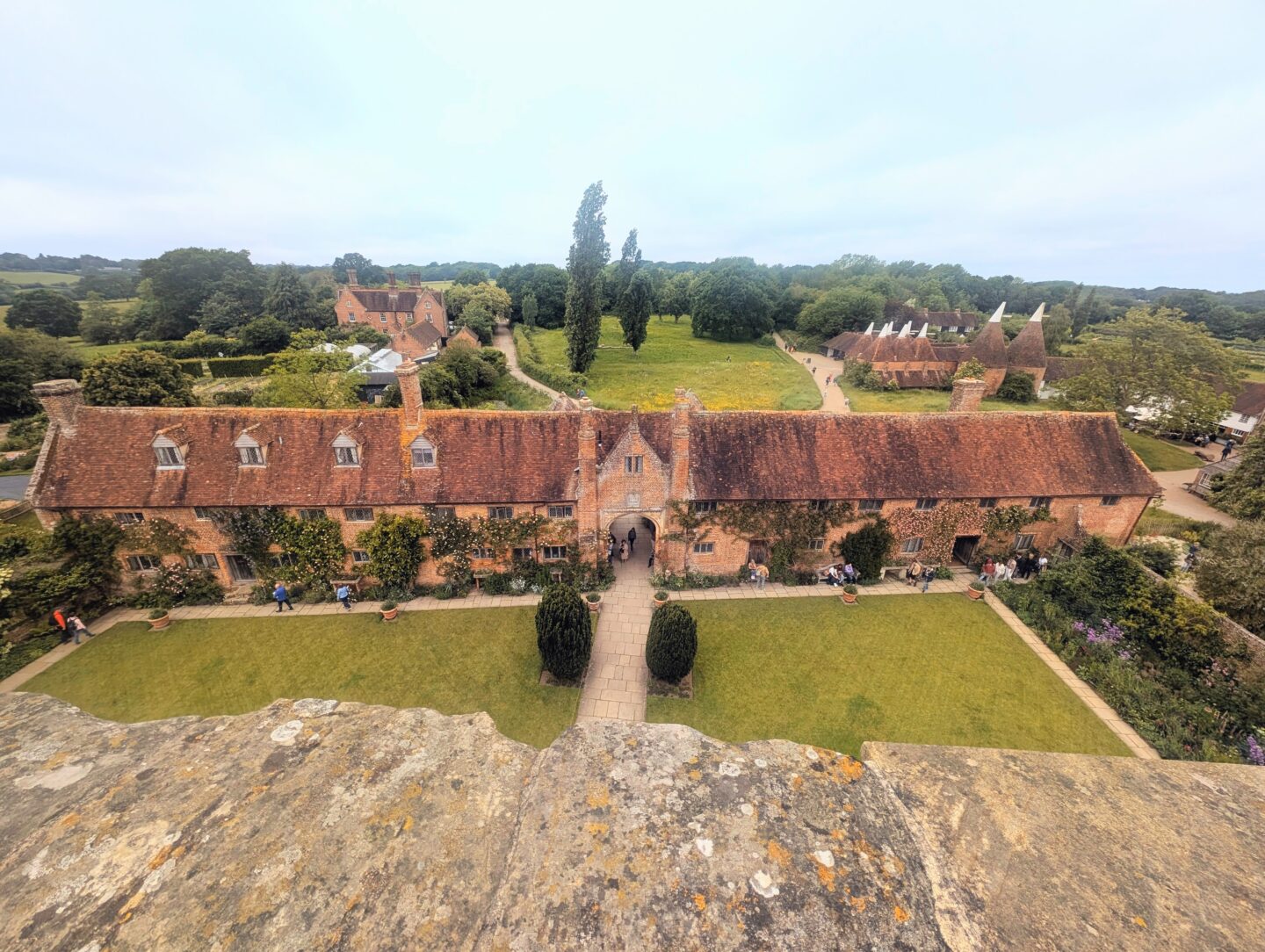
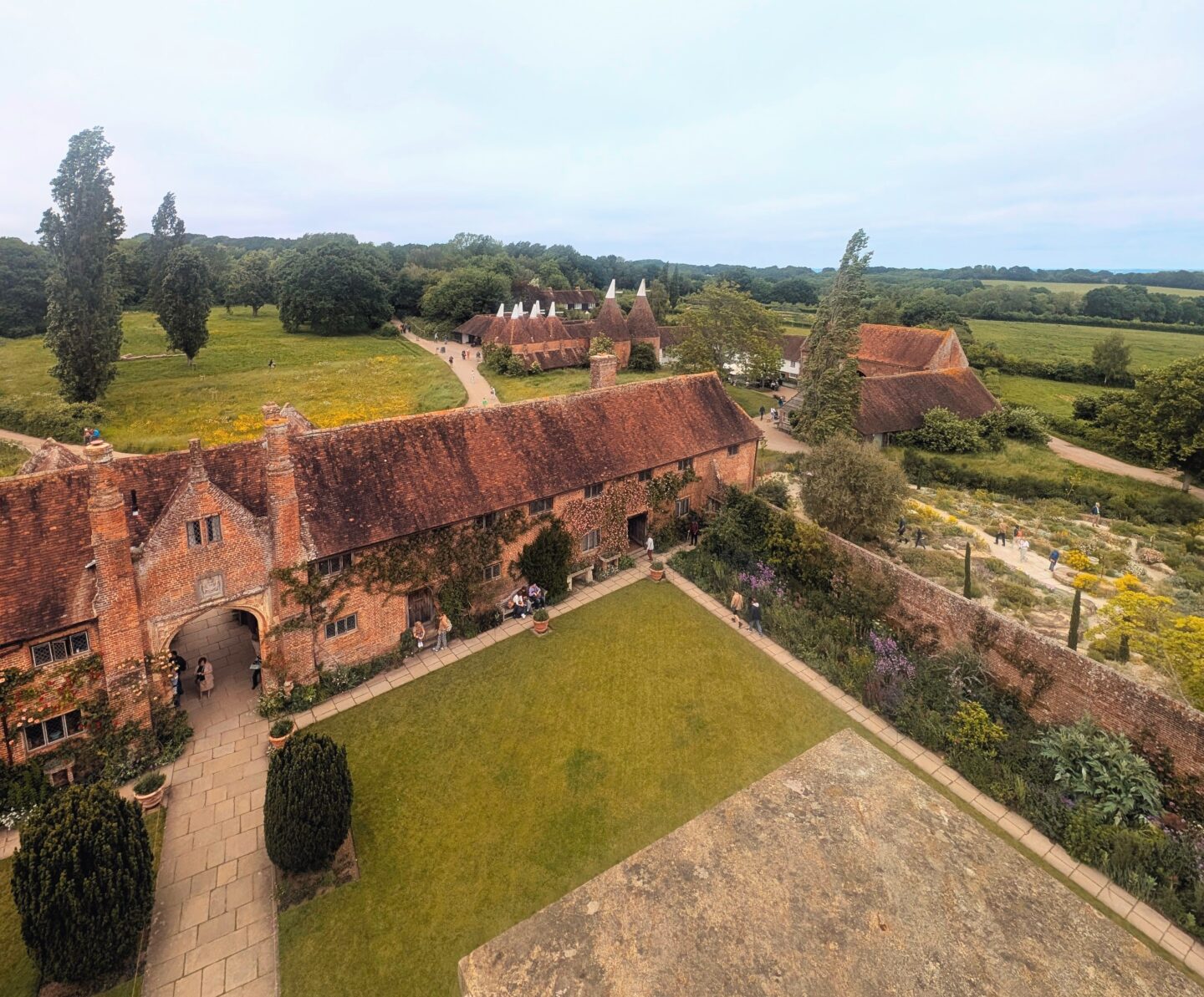
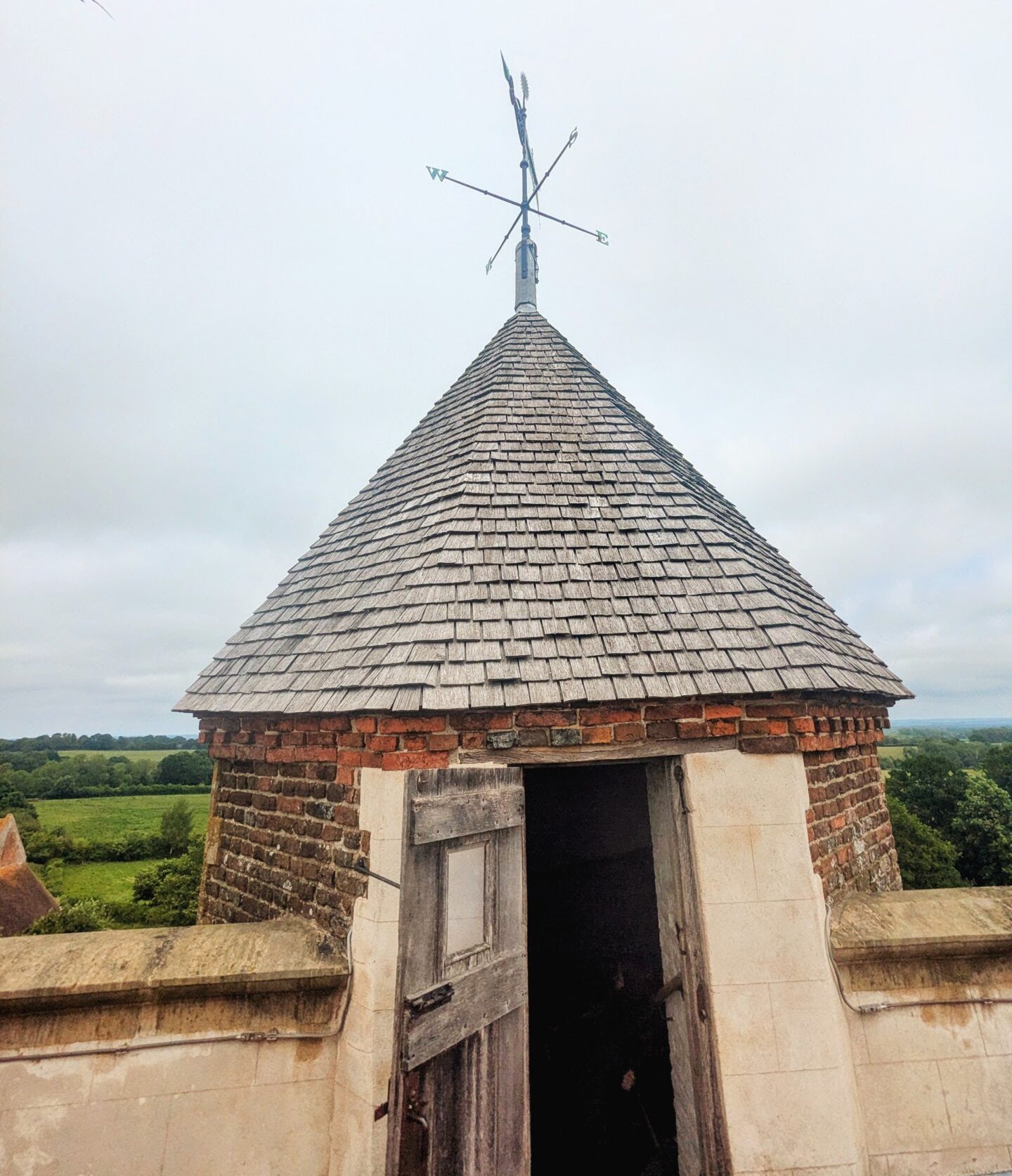
We climbed the narrow stairs up to Vita’s tower, which overlooks the gardens. Inside is her writing room, kept just as she left it. Her books, desk, and even a few small objects remain in place. It’s a quiet, reflective space with views across the entire garden.
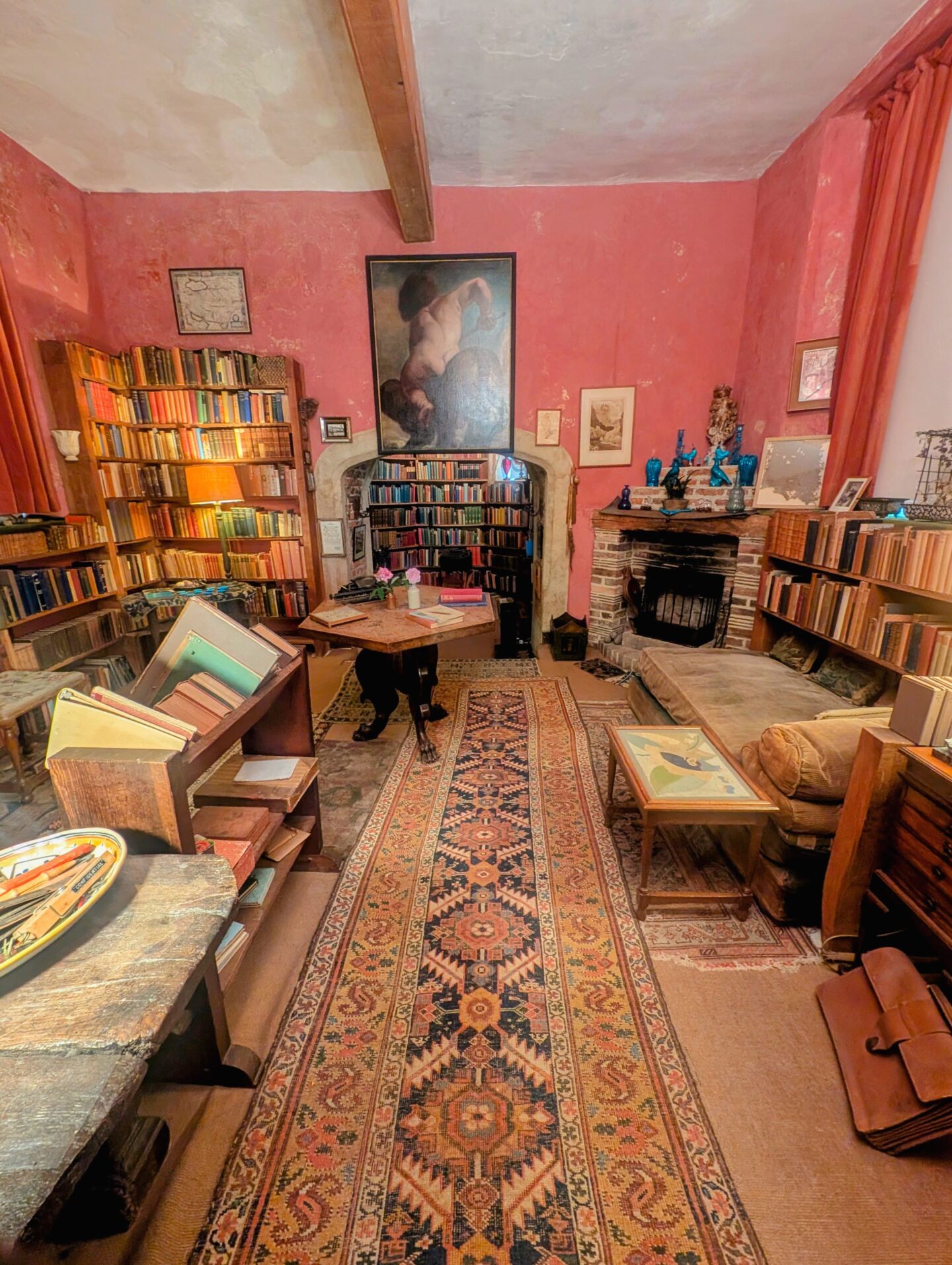
Knowing that she wrote her columns, poems and letters – including many to Virginia Woolf – from that exact spot made it all feel incredibly intimate. It’s like the emotional heart of the estate.
The Literary and Cultural Legacy
Sissinghurst isn’t just a garden – it’s a symbol of creative and romantic freedom. Vita and Harold’s open marriage, Vita’s relationship with Virginia Woolf, and their place in the Bloomsbury circle have made this garden a cultural landmark too.
Many visitors come not only for the planting, but for the personal story. The site has become a place of pilgrimage for lovers of literature, LGBTQ+ history and romantic gardens alike.
The Sarah Raven Connection
We were already big fans of the Sarah Raven Podcast, and her episodes recorded with Adam Nicolson mentioning Sissinghurst as well as with the gardeners there completely inspired our Sissinghurst Castle Garden Visit. Hearing them discuss the legacy of the place, and how they see it evolving, gave us a fresh perspective as we walked through the gardens.
Adam, as Vita’s grandson, has a deep connection to the space, and Sarah brings a practical and enthusiastic gardener’s eye. Their insights made everything feel more personal and alive.
Visitor Information: your Sissinghurst Castle Garden Visit
- Season: Best visited between March and October for peak blooms, but there’s interest all year round.
- Entry: Free with National Trust membership and there are Free RHS Member days.
- Parking: Free on site for members.
- Accessibility: Most paths are accessible, though some areas like the tower have steps.
- Time Needed: We spent around four hours on our Sissinghurst Castle Garden visit, but you could easily stay longer.
- Extra Tip: Arrive early or later in the day for quieter paths and the best light for photos.
A Café Stop to Finish our Sissinghurst Castle Garden visit
We ended our Sissinghurst Castle Garden visit with a stop at the Sissinghurst café, which has a great outdoor space. The food is seasonal and freshly made – there’s something so satisfying about eating food grown just metres away from where you’re sitting. The café felt like a celebration of everything the gardens stand for: simplicity, seasonality and sustainability.
A Quick Stop at the Shop
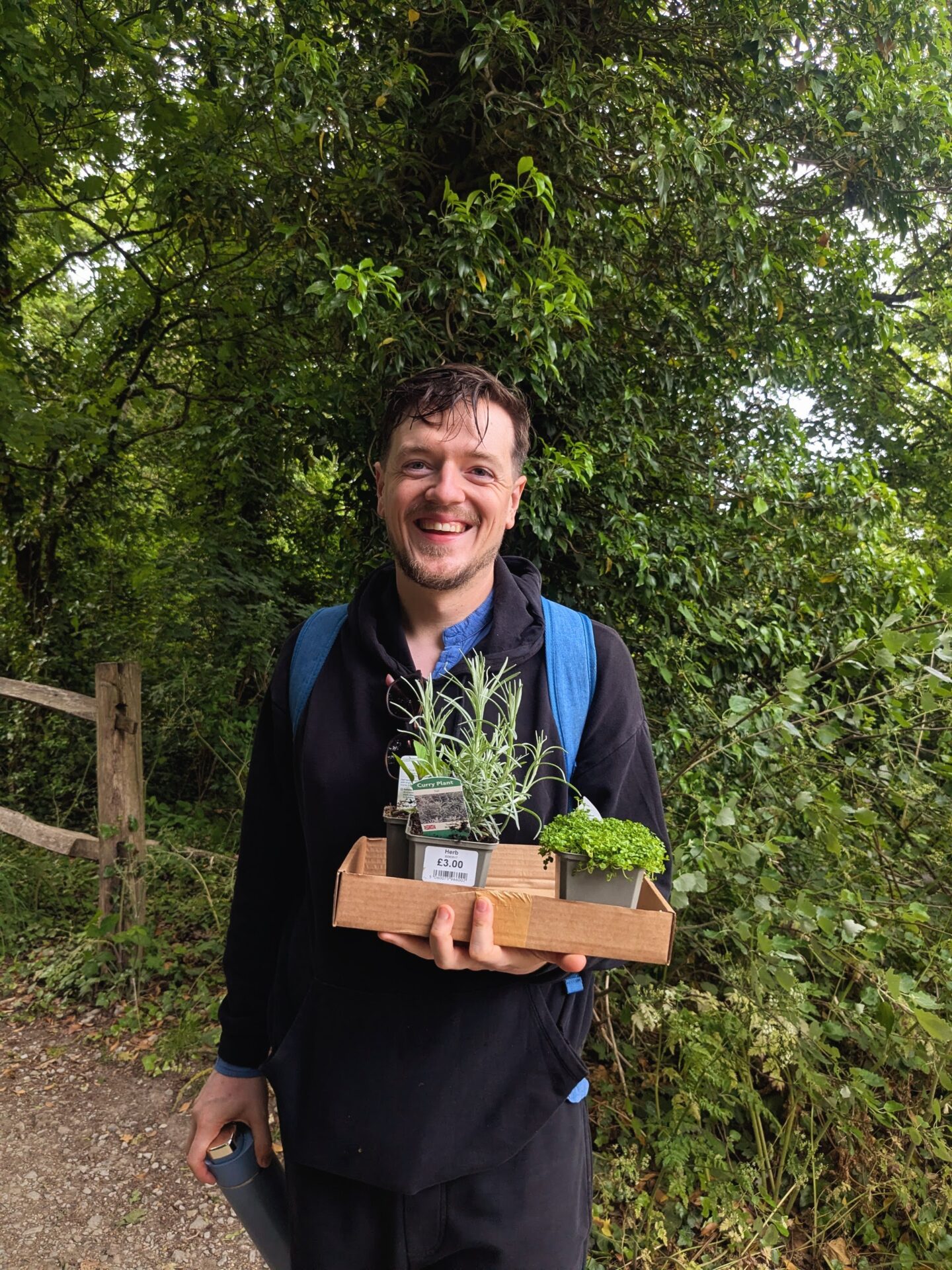
Before we concluded our Sissinghurst Castle Garden visit, we couldn’t resist popping into the Sissinghurst shop, and we’re so glad we did. It’s a treasure trove of garden tools, books, gifts and National Trust favourites, but what really caught our eye was the selection of herbs grown right there on site. We picked up a few unusual varieties to bring home to our own garden — including a a curry plant, cola plant, a cream oregano, a mini mint and a striking pineapple sage that we’d never come across before. It was such a lovely way to take a bit of Sissinghurst home with us, and even now, brushing past them on the patio makes me smile.
Why You Should plan a Sissinghurst Castle Garden visit
A Sissinghurst Castle Garden visit is not just a beautiful day out, it’s a place where history, creativity, love and nature all come together. Whether you’re there to admire the White Garden, soak up the stories of Vita and Virginia, or take notes for your own vegetable patch, it’s a truly inspiring place.
It felt like stepping into a living novel – one written with trowels and roses, long letters and secret paths. You’ll leave with an album of flower photographs, a full heart and about a hundred ideas for your own garden.
If you’re planning a National Trust adventure beyond Kent, don’t miss our guide to the National Trust in the South Lake District – another stunning destination full of character, walking trails, and charming gardens.
