
The Pink Salt Lakes of Salin de Gruissan: A Free and Fabulous Stop on Our France-Spain Road Trip
During our recent road trip across France and Spain, one of the most unexpectedly magical places we visited was Salin de Gruissan – a surreal landscape of pink salt lakes shimmering under the Mediterranean sun. Tucked away along the sun-drenched coast of southern France, where the Mediterranean brushes up against salt-crusted shores, we stumbled upon a spectacular, otherworldly landscape: the pink salt lakes of Salin de Gruissan.
If you’re dreaming of offbeat stops on a road trip through France and Spain, Salin de Gruissan is a visual feast and a fascinating cultural landmark – best of all, visiting is completely free. It was one of those stops that wasn’t initially circled on our itinerary, but it quickly became one of the most memorable experiences of the entire journey.
Our road trip had already taken us through the historic towns of Occitanie, along winding coastal roads, and through landscapes dotted with vineyards and ancient ruins. Salin de Gruissan was never supposed to be a main stop – but once we caught wind of these famously pink waters, it became an unmissable detour.
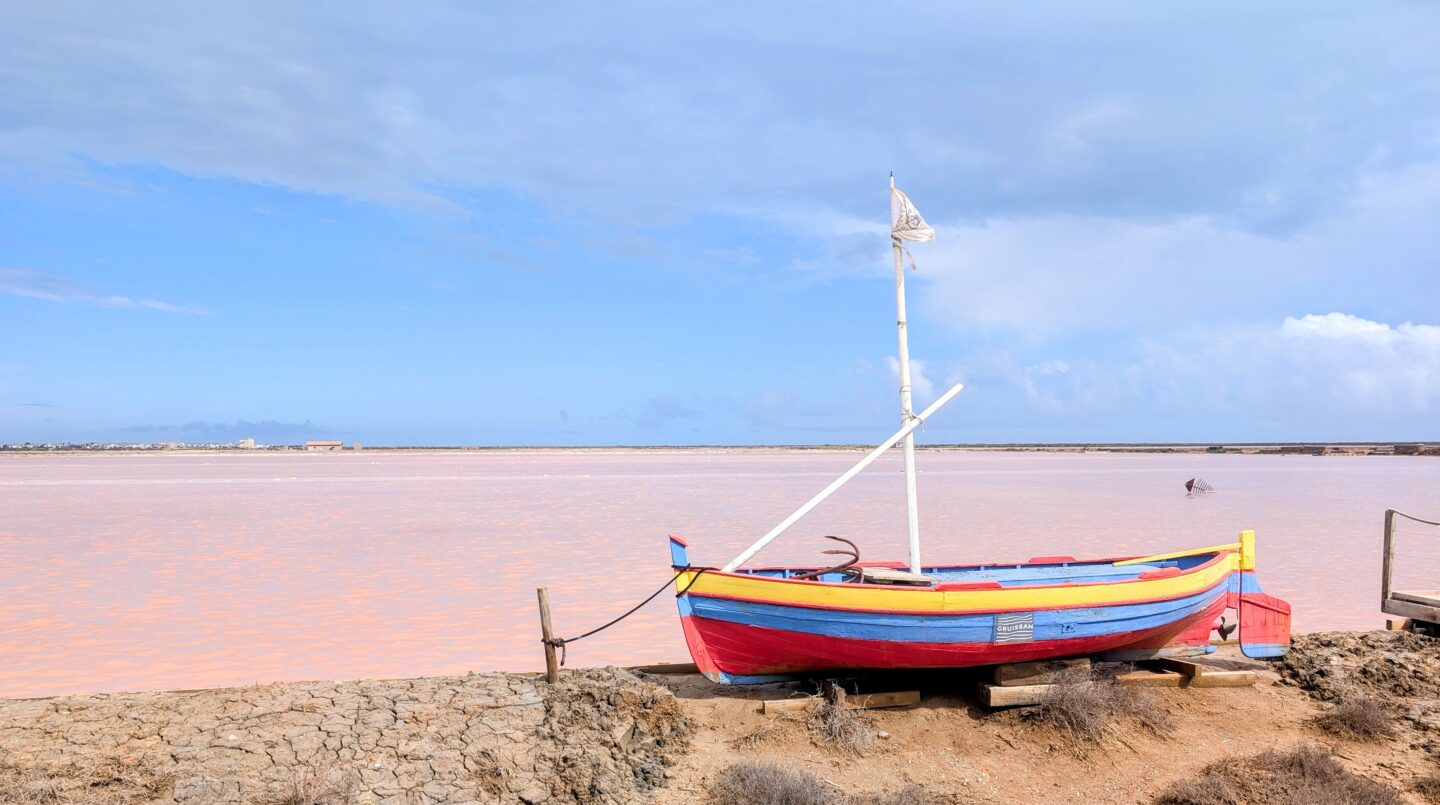
Set against the blue horizon, Le Salin de Gruissan welcomes visitors with a striking display of vibrant colours and fascinating natural beauty. This salt marsh, located just outside the old fishing village of Gruissan near Narbonne, is much more than just a scenic backdrop – it’s a working salt field steeped in history, a haven for wildlife, and a brilliant free stop for curious travellers of all ages.
A Century of Salt: The History of Salin de Gruissan
Salt has been harvested on France’s Mediterranean coast since Roman times, and Salin de Gruissan has been part of this legacy for over 100 years. Sitting between the sea and the lagoon known as l’Étang de l’Ayrolle, the area once consisted of marshland but has since been converted into sprawling salt fields covering approximately 400 hectares (or 990 acres).
Sea water is channelled through a 40km-long network of channels and basins, where it undergoes a natural transformation powered by sunshine and wind. Through this evaporation process, one particular salt is isolated and harvested: sodium chloride, the main component of table salt. The area’s unique climate – sunny and breezy nearly year-round – makes it ideal for salt production.
Today, Le Salin de Gruissan produces not only coarse cooking salt but also the prized fleur de sel (flower of salt), a delicate, extra-fine salt crystal loved by chefs and foodies across the world. There’s even ElixSel, a special liquid salt that contains essential trace elements with 75% less sodium.
First Impressions: A Landscape Straight from a Painting
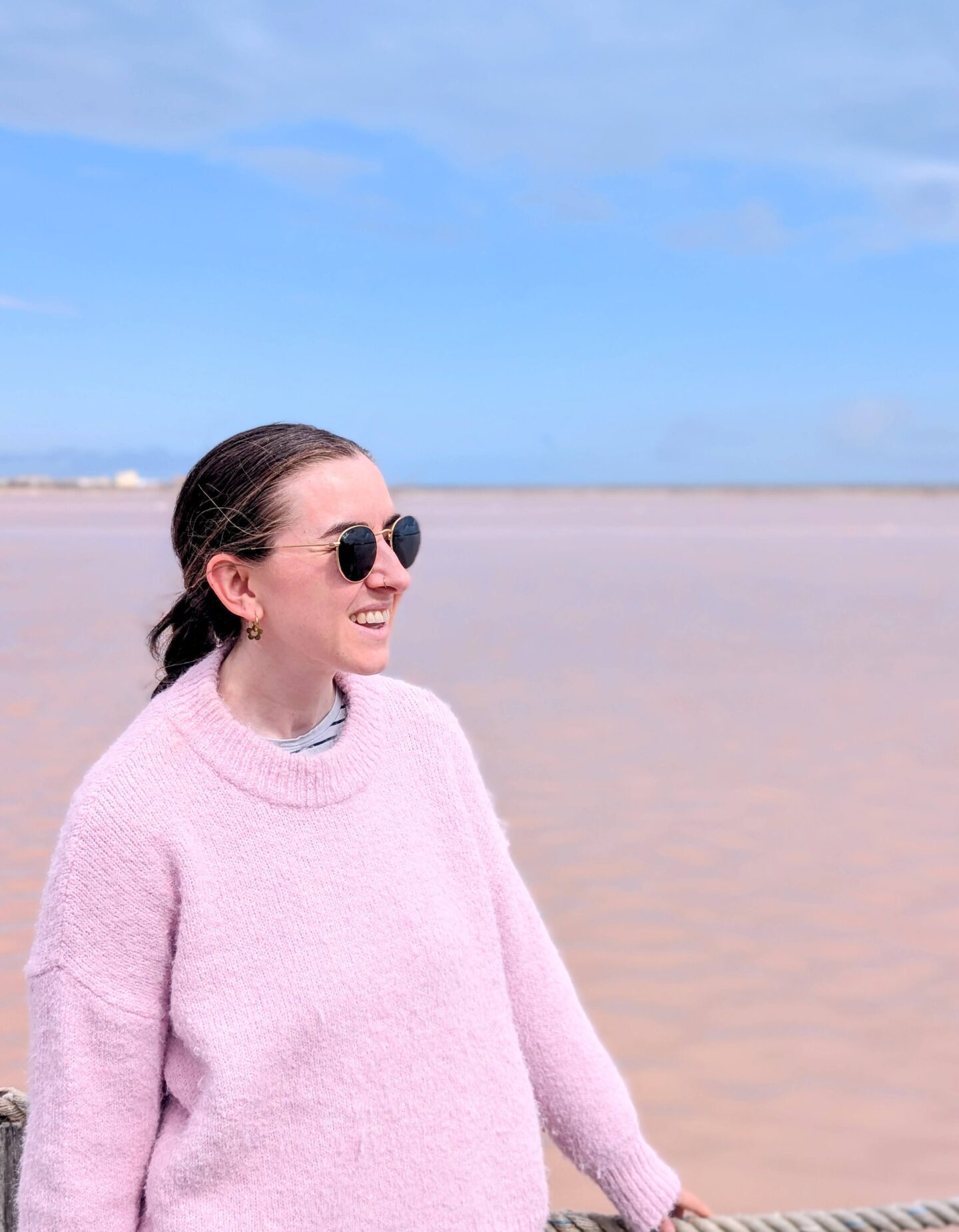
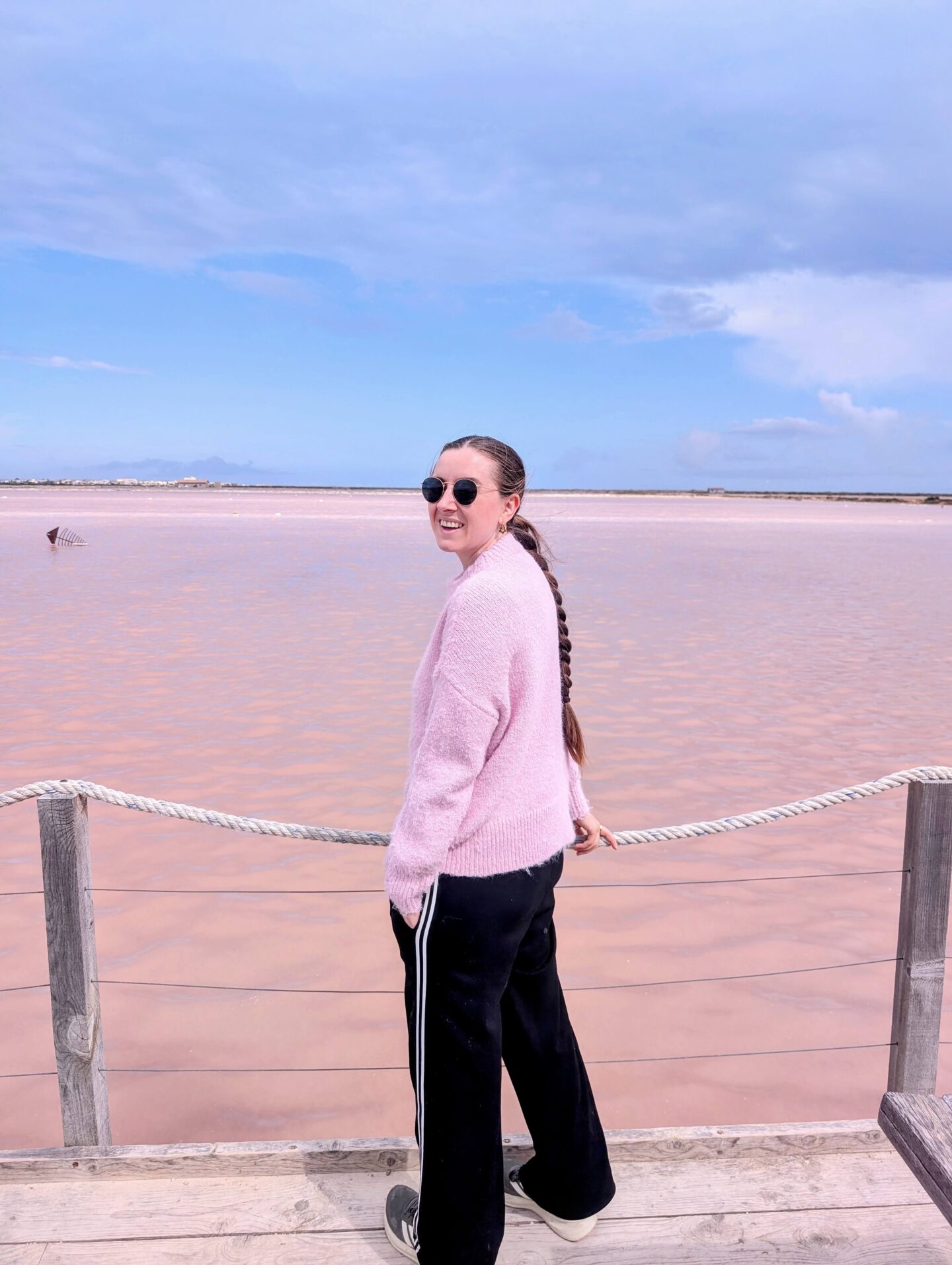
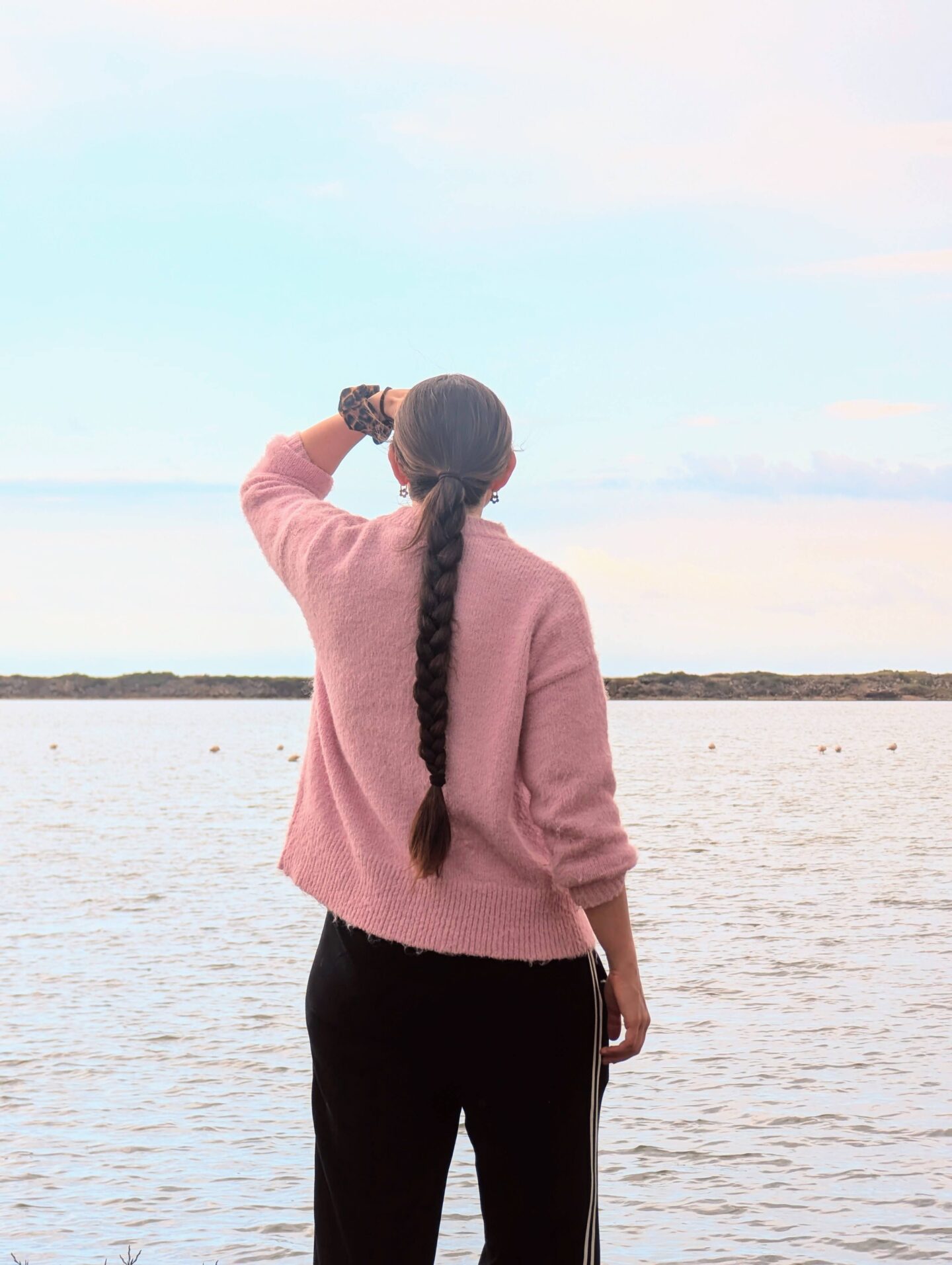
As we approached Salin de Gruissan, the scenery began to shift dramatically. Dusty roads gave way to wide, open marshland that shimmered in the afternoon sun. And then – suddenly – pink. The salt flats stretched out before us in broad, shallow pools, their colours ranging from soft rose to a vivid coral, depending on the light and the angle. It was like stepping into a pastel dream.
The colour, we later learned, comes from a type of algae – Dunaliella salina – which thrives in salty conditions and produces a pigment called beta-carotene. In high concentrations, it stains the water with these vibrant pink hues, making the salt lakes feel like nature’s own surreal art installation.
Pink Waters and Algae: The Science Behind the Beauty
Perhaps the most striking feature of Salin de Gruissan is the unbelievable pink hue of the salt lakes. At first glance, it looks like something out of a fantasy film or a high-end Instagram filter, but the colour is entirely natural. The secret lies in a type of microalgae called Dunaliella salina. This organism thrives in highly saline environments and produces beta-carotene, a pigment that gives the water its rosy tones.
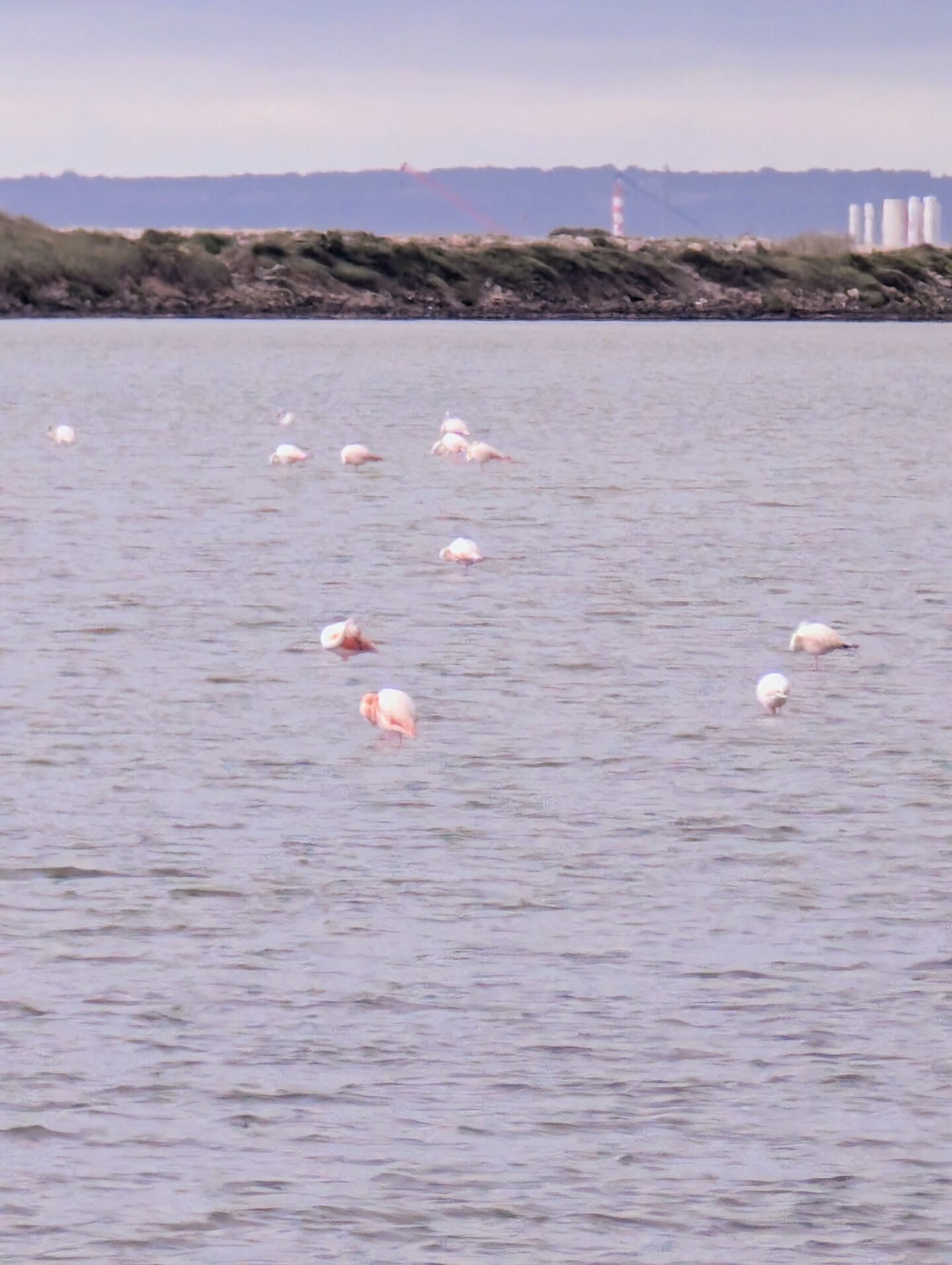
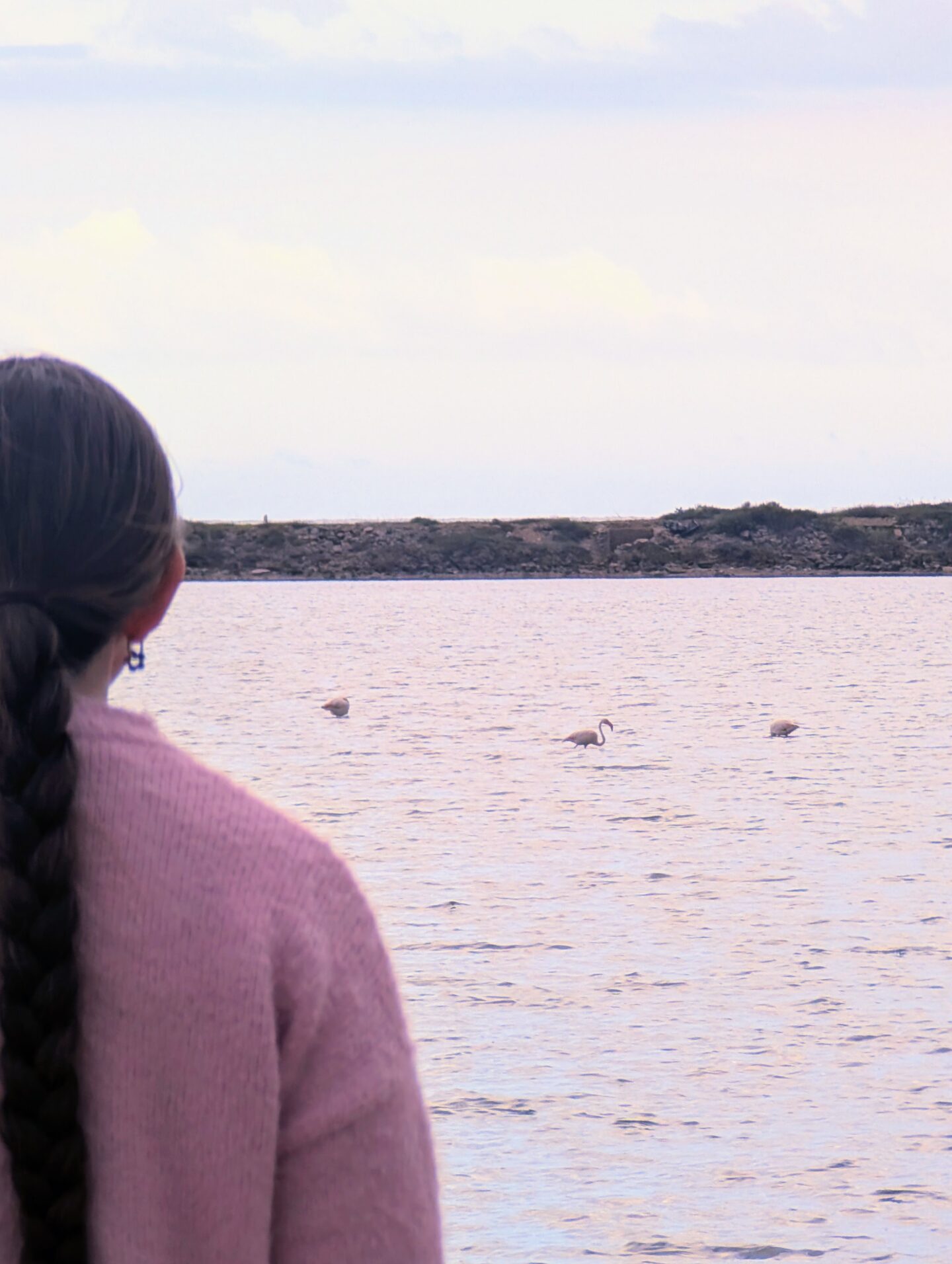
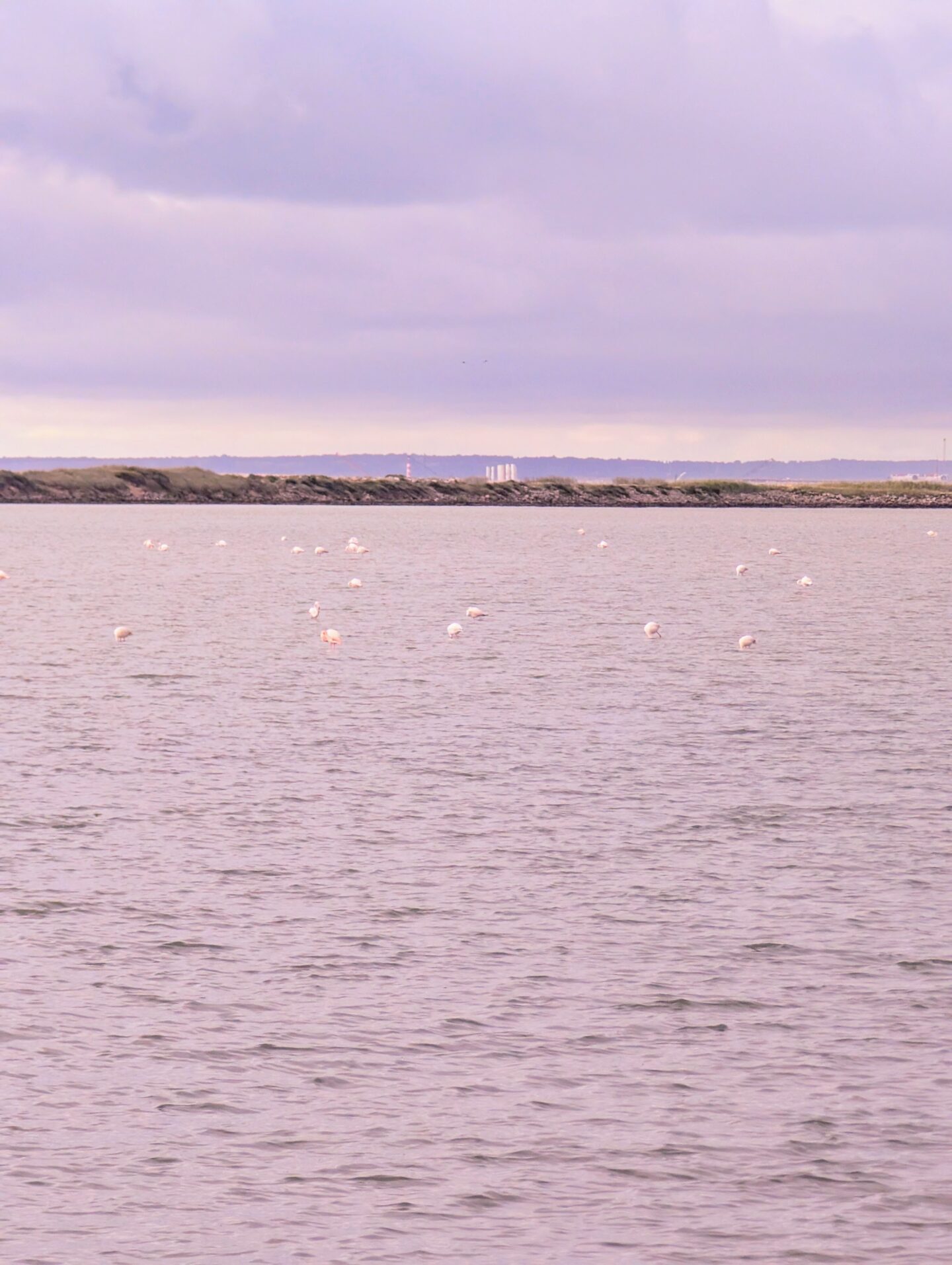
As the water becomes saltier, it transitions from a bluish-green to a radiant pink-red – something you really have to see in person to believe. Flamingos feed on this very algae, and the high carotenoid content is actually what turns their feathers pink! One of the back salt fields is specially reserved for flamingos, and there’s even a discreet observation hut where researchers and wildlife lovers can spot them in their natural habitat.
What to Expect: A Free and Fascinating Visit
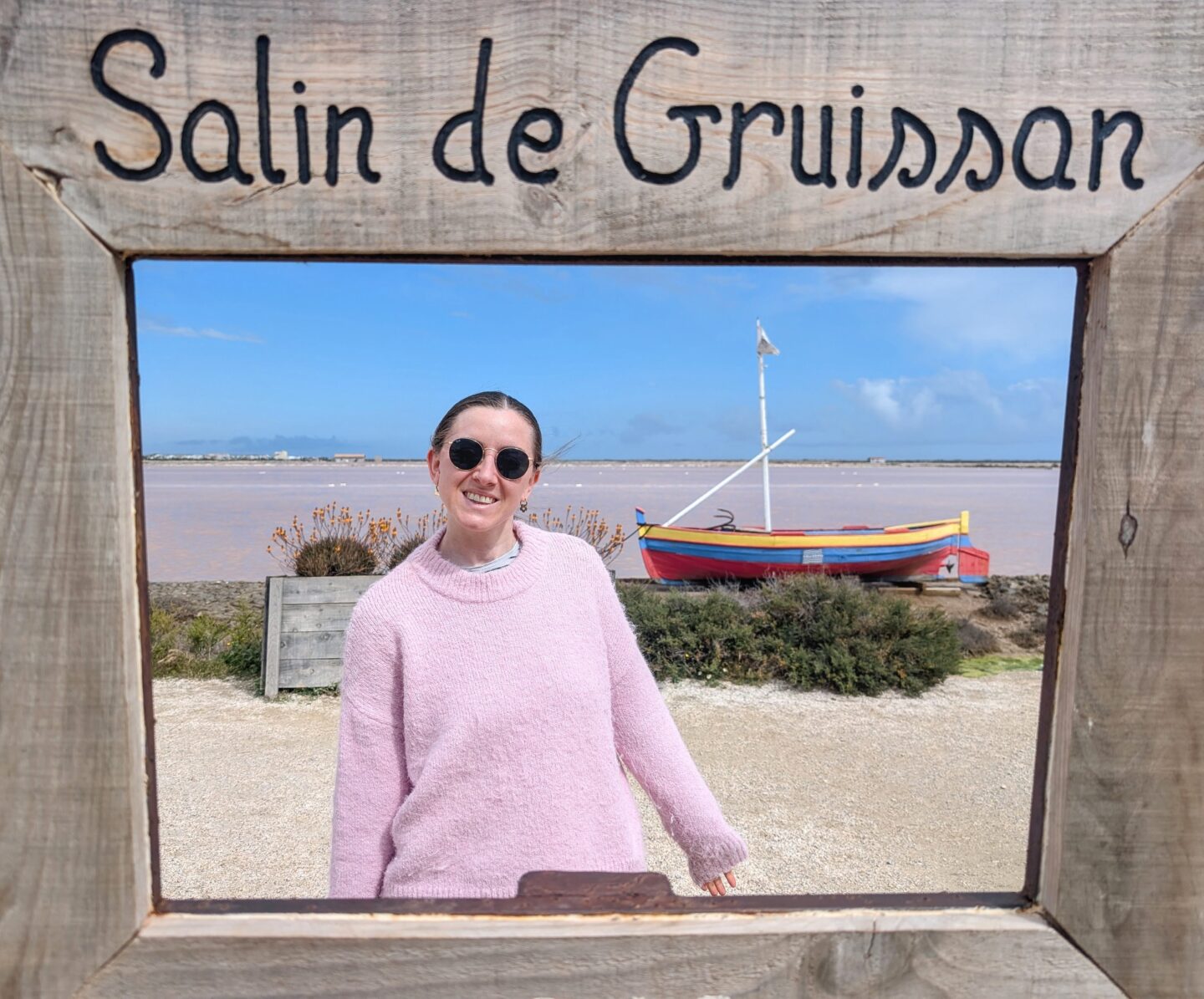
One of the best things about visiting Salin de Gruissan is that you don’t need to spend a penny to soak in the beauty. Access to the site and its walkways is completely free, making it a fantastic addition to any road trip through Occitanie or along the Mediterranean coast. Parking was all free, and a little further down the lakes is a second car park with a walk to spot the flamingos.
You can explore at your own pace, following the marked paths around the salt basins. We spent a blissful hour or more wandering the salt fields, watching the light bounce off the water, and admiring the incredible shades of pink. The peacefulness of the area was a welcome change of pace from the bustle of cities and motorways.
Tours – In French Only, Sadly!
Now, if your French is up to scratch, there are guided tours available for a small fee that delve into the history, science, and industry of salt production in the region. IThese last around 90 minutes and take you on a 2km leisurely walk, where you’ll learn about the history, techniques, and biodiversity of the salt marshes. Visitors are encouraged to ask questions, taste the salt, and even collect some directly from the fields to take home. Sadly, with our rusty French, we decided to skip the tour – but we’d love to do it next time.
A Family-Friendly Stop on the Road
Travelling as a couple, we’re always looking for stops that are educational, unique, and budget-friendly. Le Salin de Gruissan hit all those notes perfectly – and it’s easy to see how it would also be a brilliant destination for families. The combination of surreal landscapes, flamingo sightings, and hands-on learning about salt makes it genuinely fascinating for all ages.
A Treasure Trove of Shops and Souvenirs
A Sweet Surprise: The Art and Ceramic Shop
If the pink lakes weren’t enough to delight us, the on-site art shop truly won us over. Tucked into a rustic, building near the entrance, the shop is a treasure trove of locally made ceramics, home décor, sea-inspired artwork, and beautifully presented gifts.
It’s not your average tourist stop – the shop has a clear focus on artisan craftsmanship and French design. Everything felt carefully curated. We spent a long time admiring the creativity and found ourselves seriously tempted to redecorate the van with souvenirs.
For travellers like us – interested in art, design, and supporting local makers – this little gem of a shop was an unexpected highlight.
Salt, Salt and More Salt (Yes, There’s a Shop for That Too!)
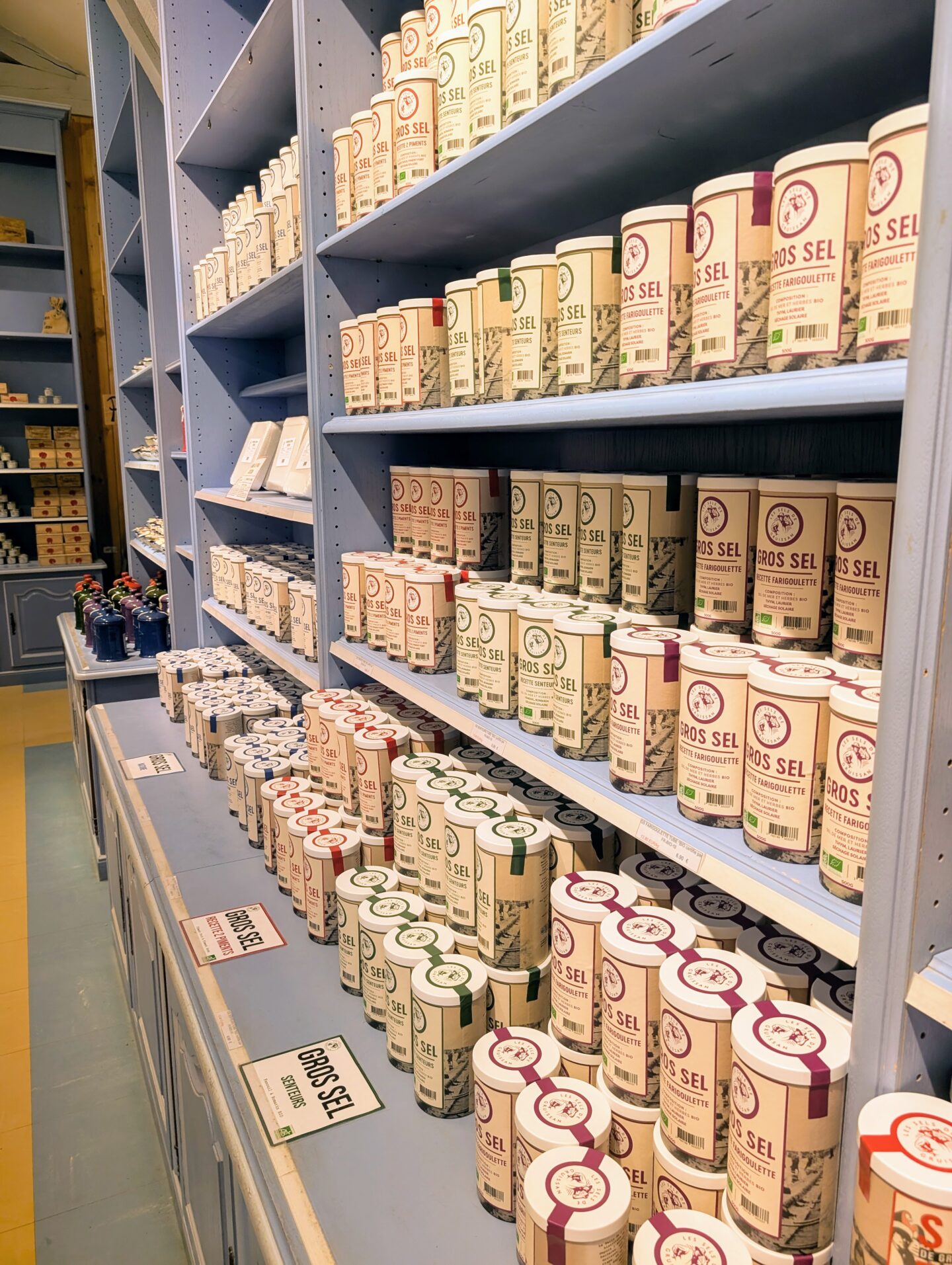
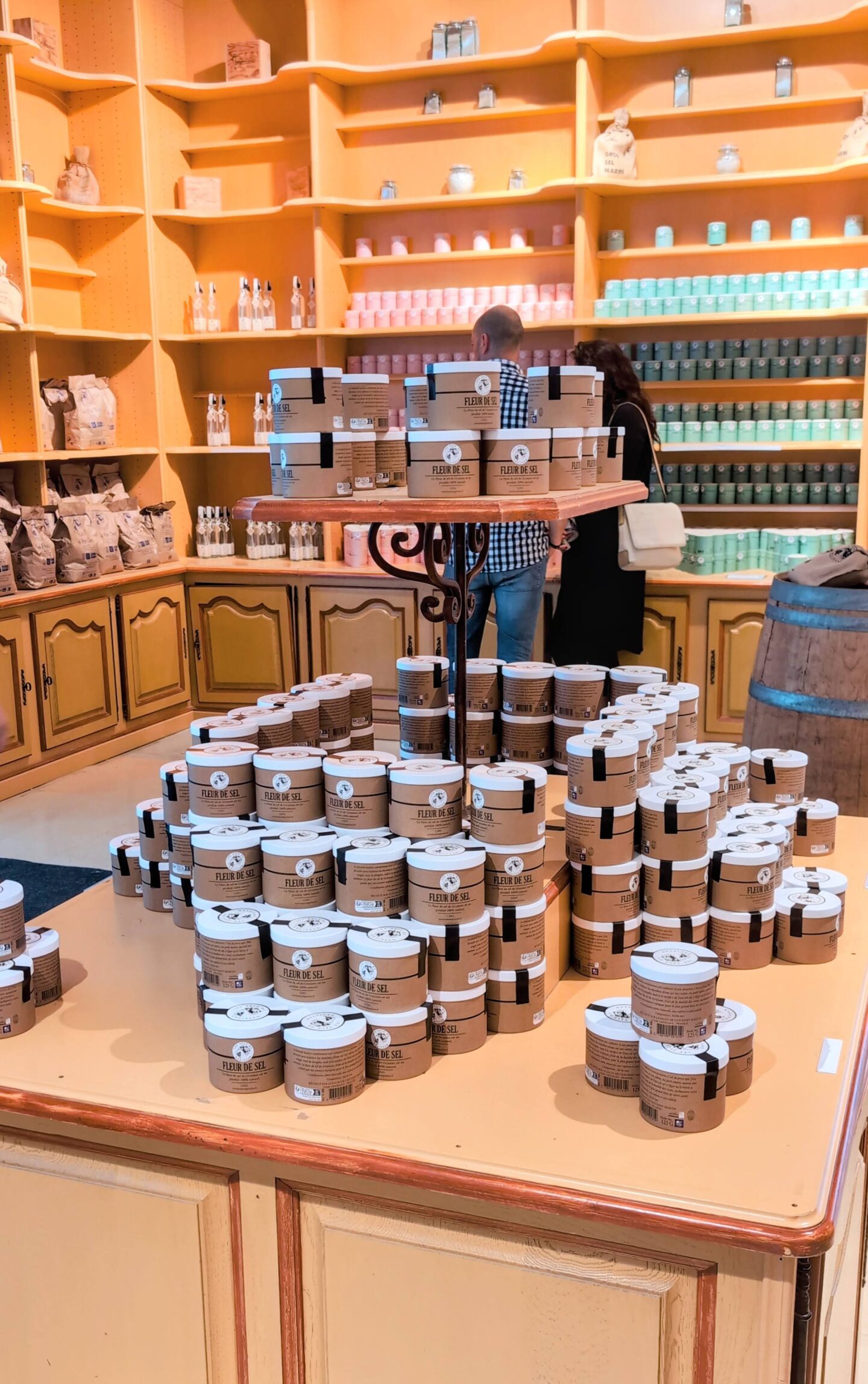
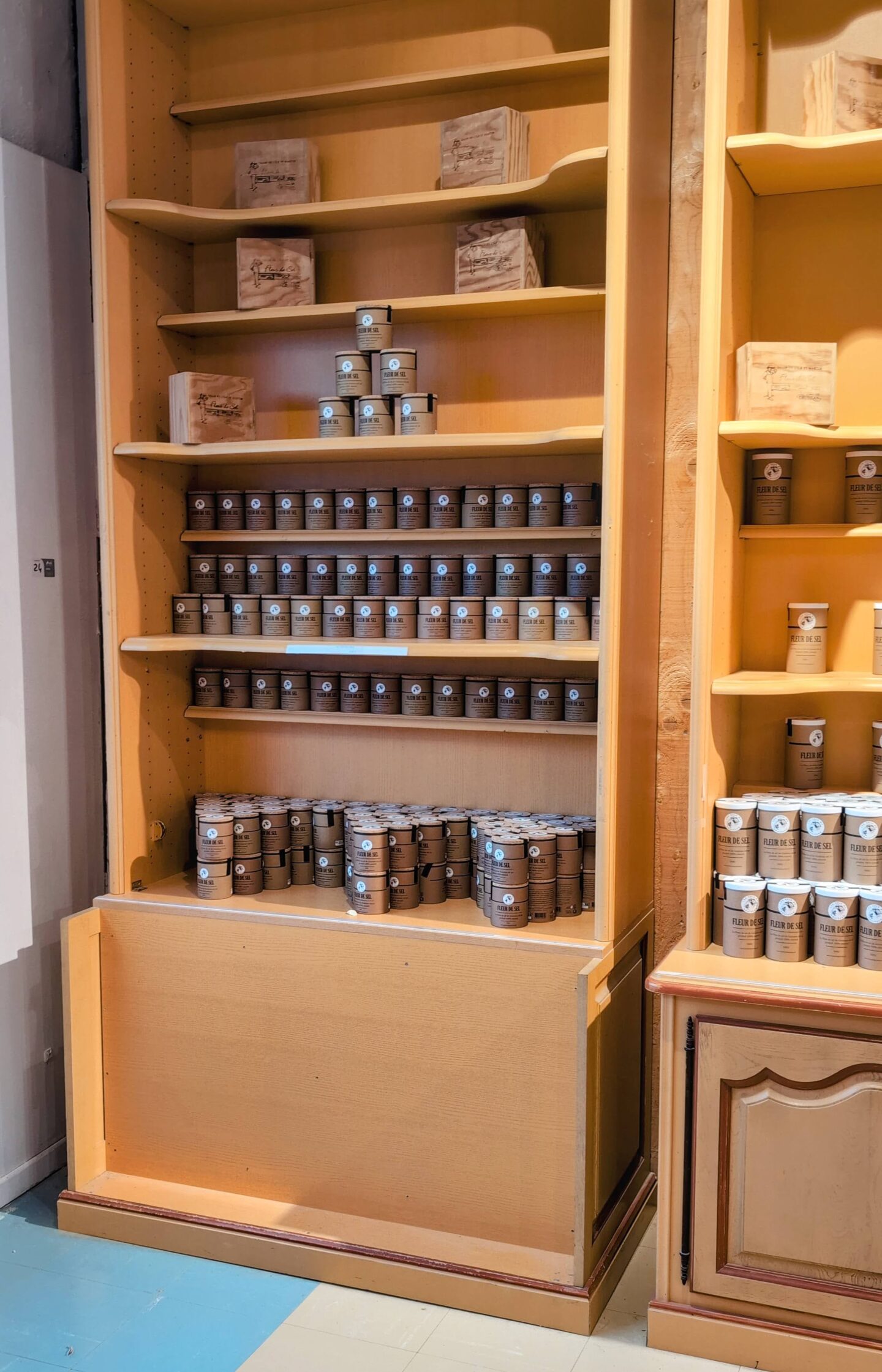
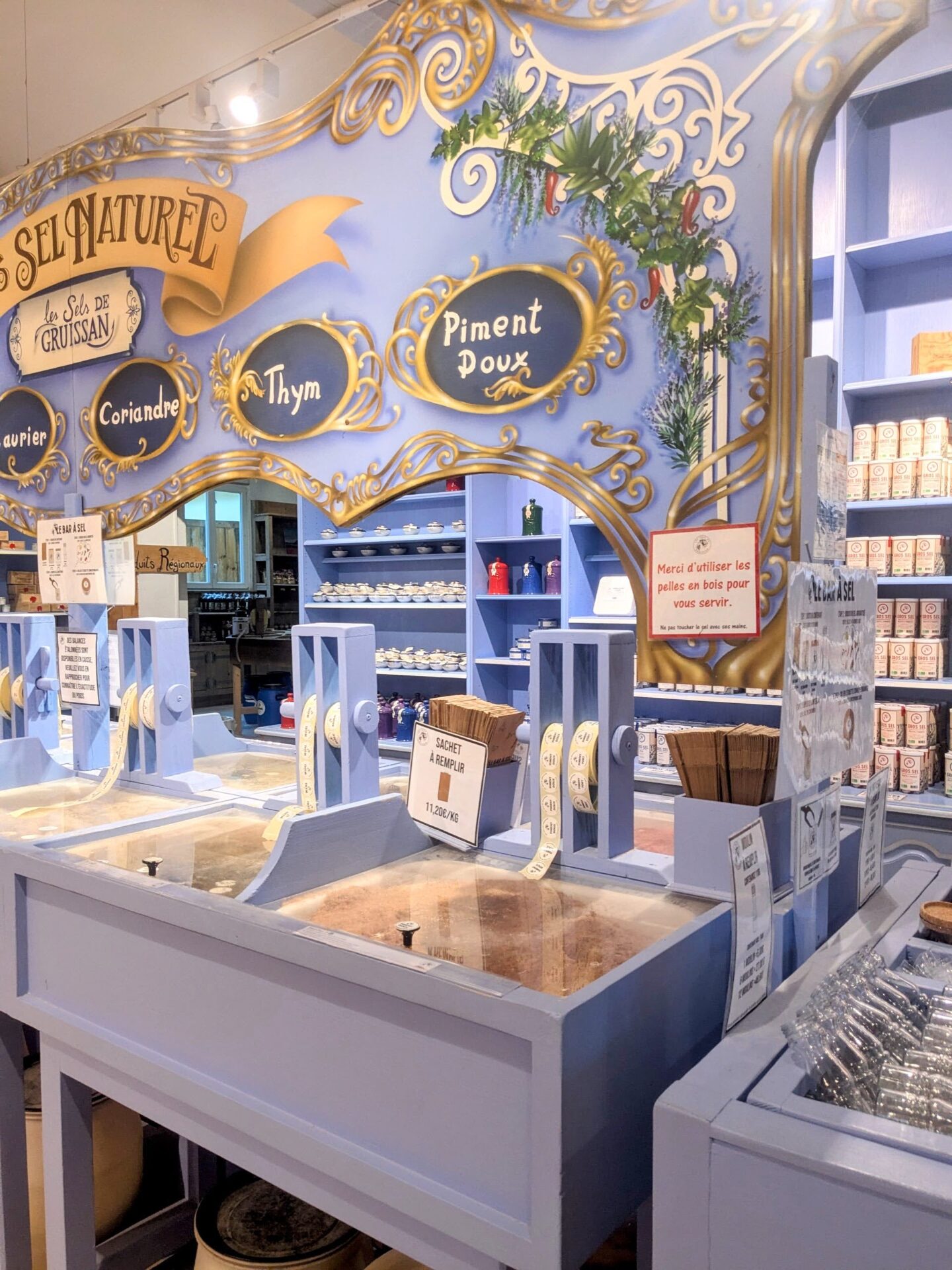
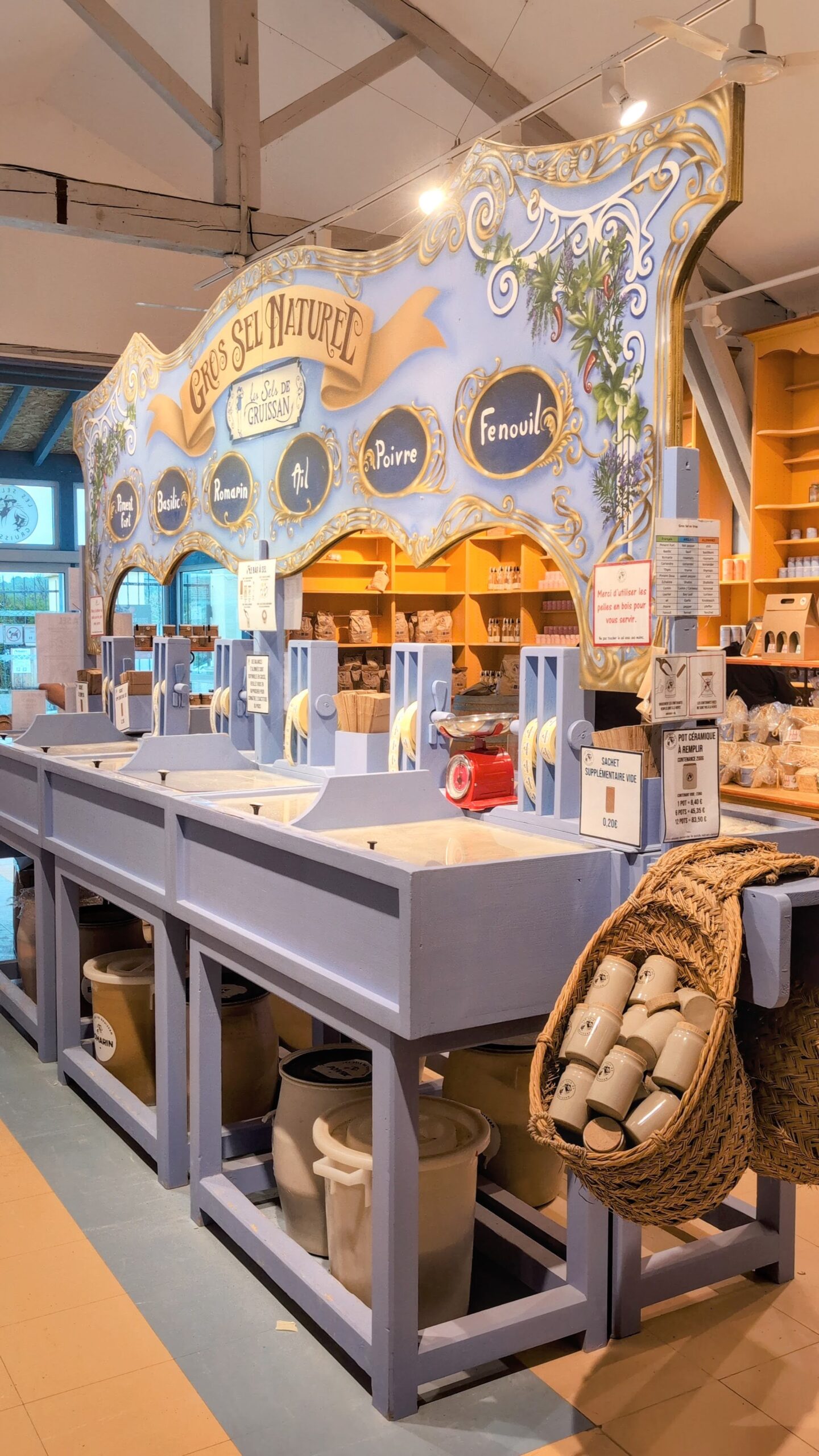
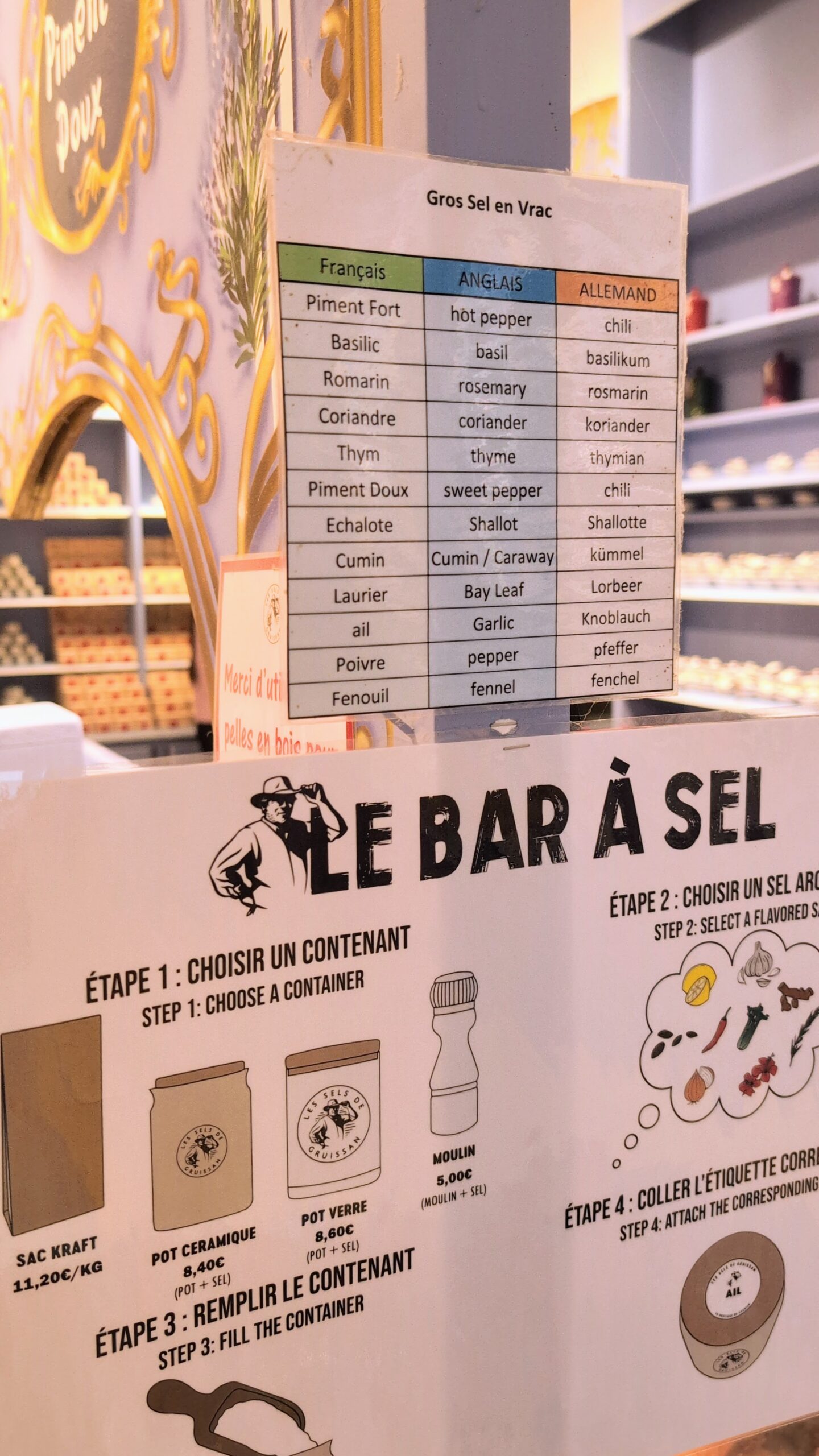
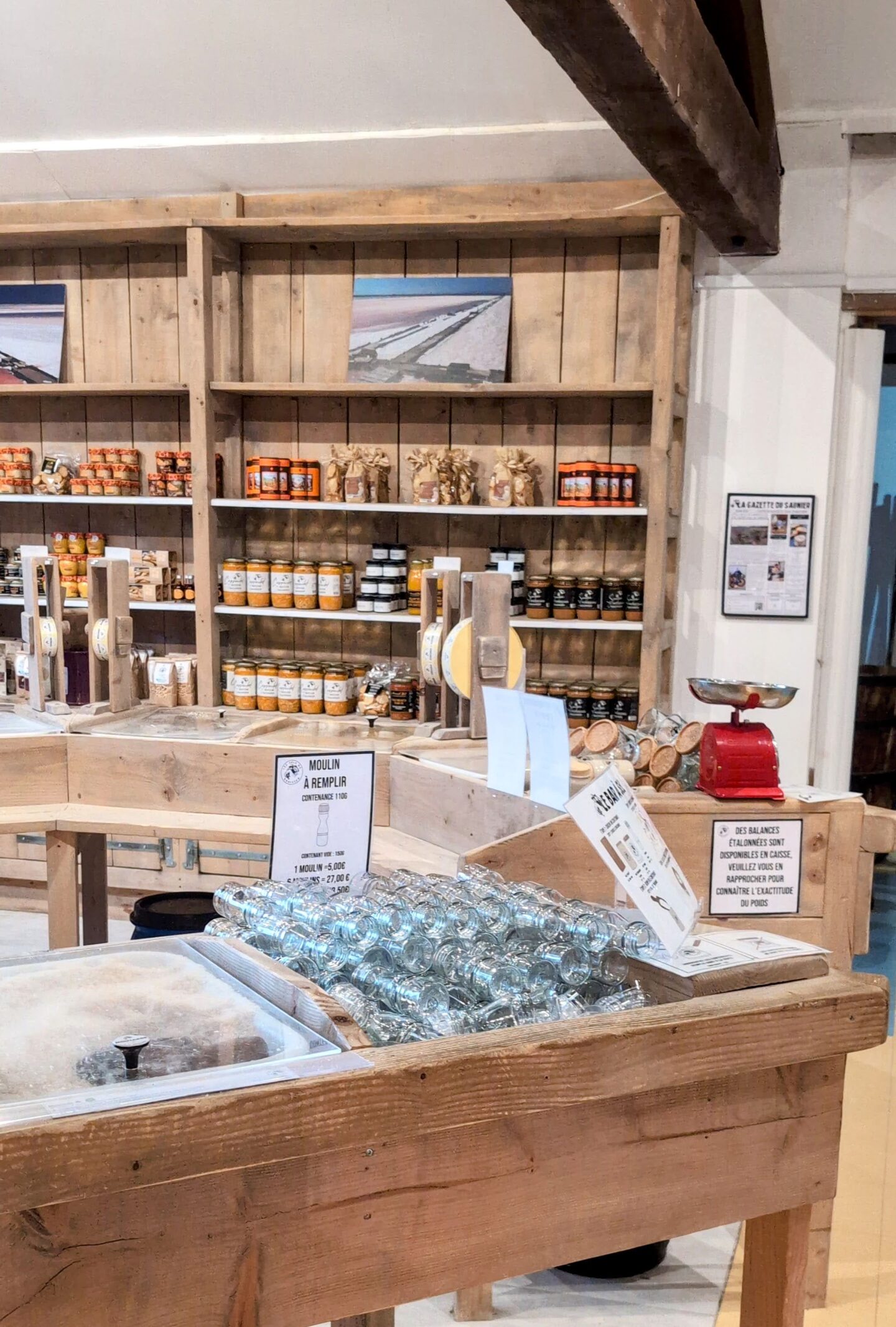
Of course, what would a trip to the salt lakes be without bringing home a little of the magic? Next door to the art shop is the main salt shop which stocks a dazzling array of cooking salts and dedicated entirely to the many flavours, colours, and uses of salt.
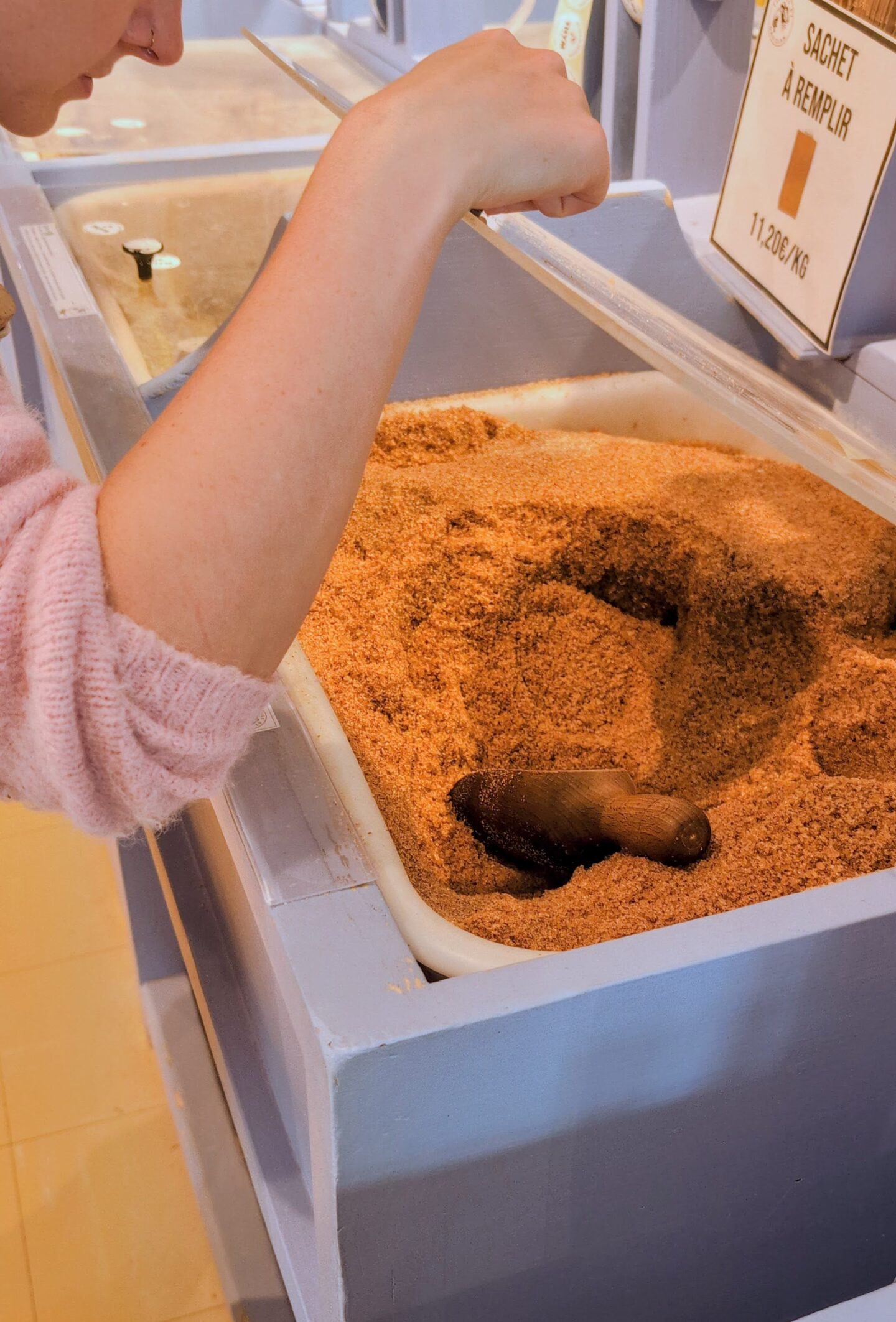
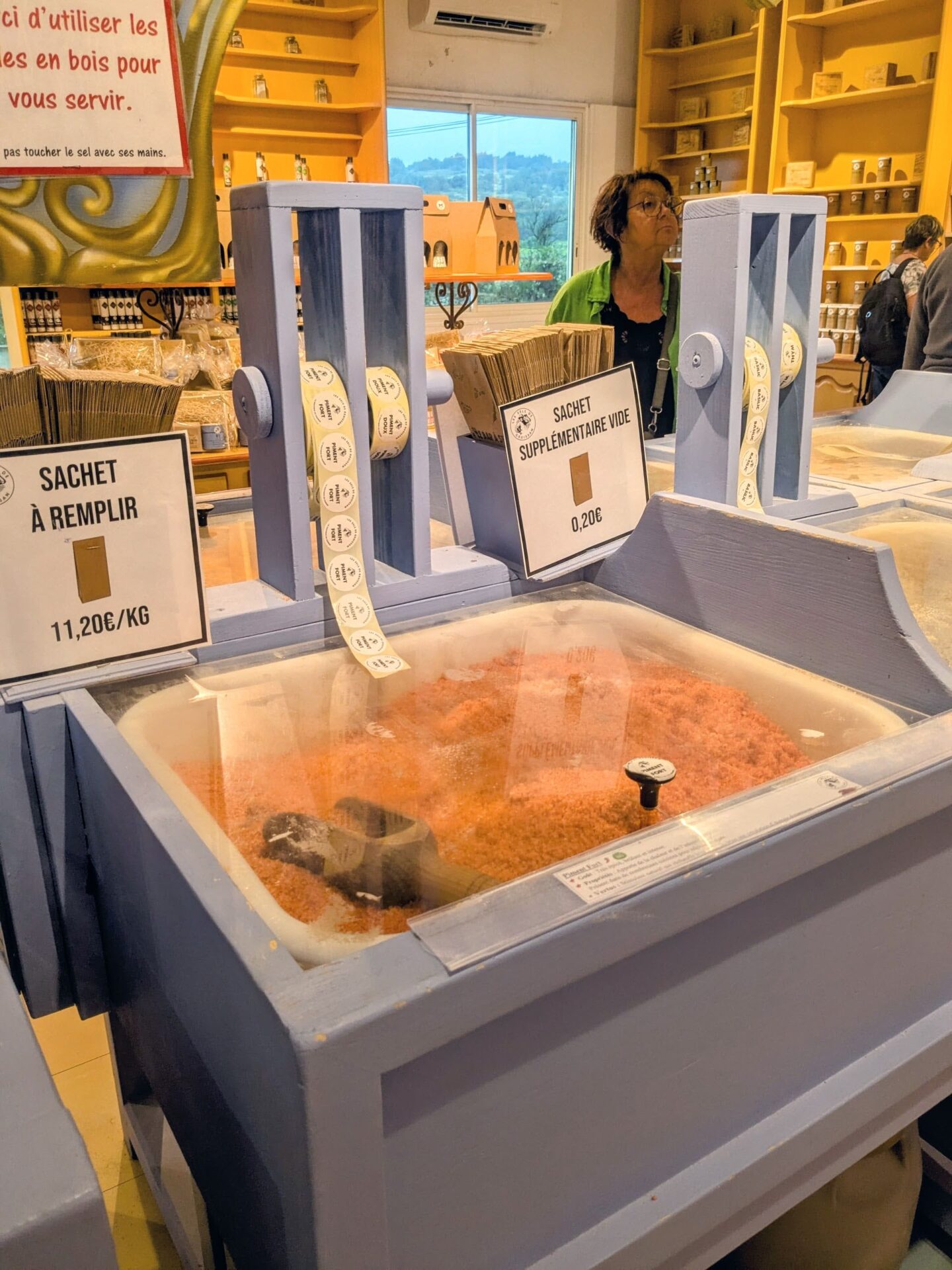
There were salts for cooking, bathing, scrubbing, and even for display. Rows of jars and packetslined the shelves, each filled with a different variation: fine fleur de sel, large cooking crystals, and flavoured blends infused with herbs, spices, and aromatics.
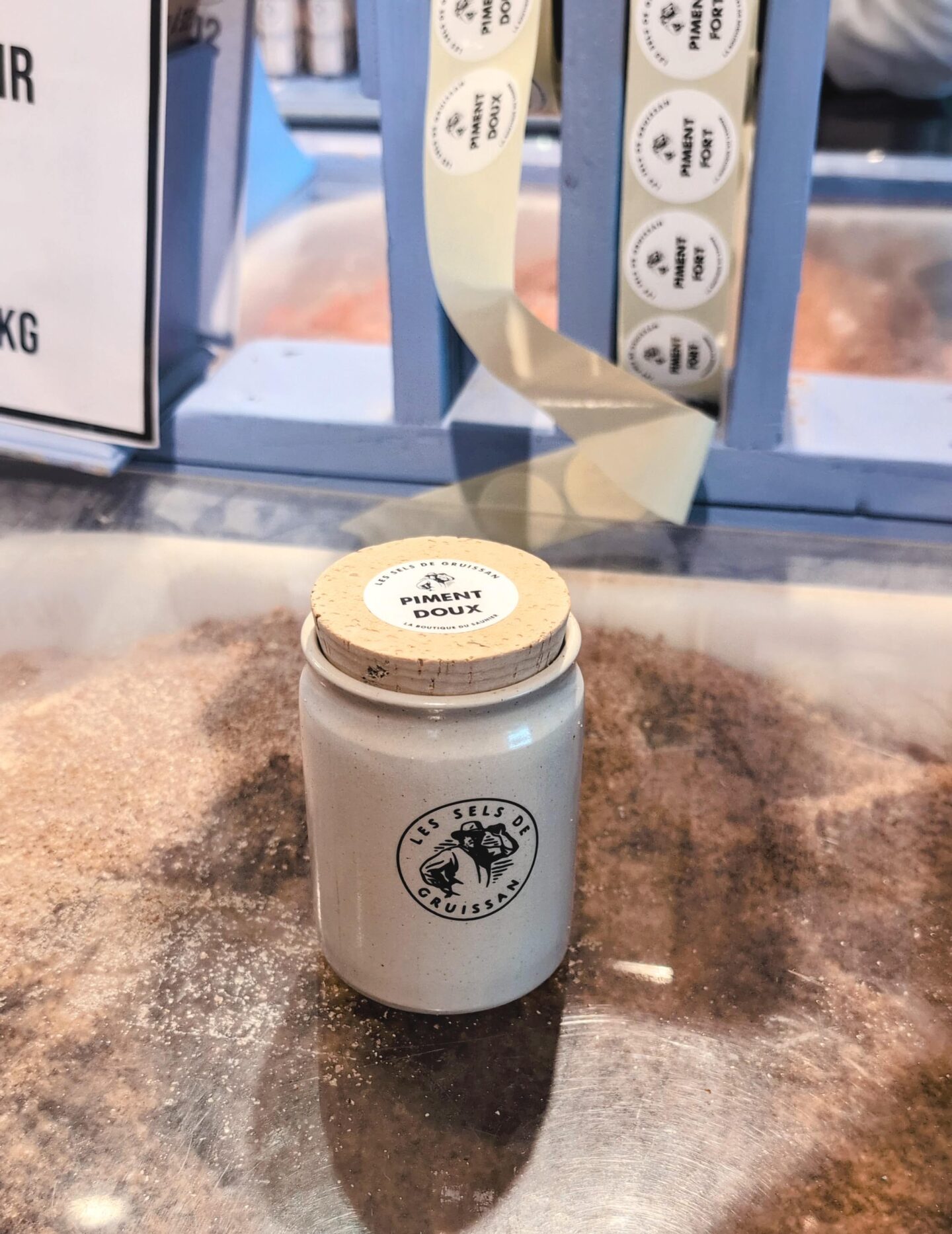
We ended up choosing a paprika salt, presented in one of their beautiful earthenware pot that now sits proudly in our kitchen back home. It adds a smoky, savoury kick to roasted vegetables and tofu scrambles, but more than that – it serves as a tangible memory of the warm sun and rosy waters of Salin de Gruissan
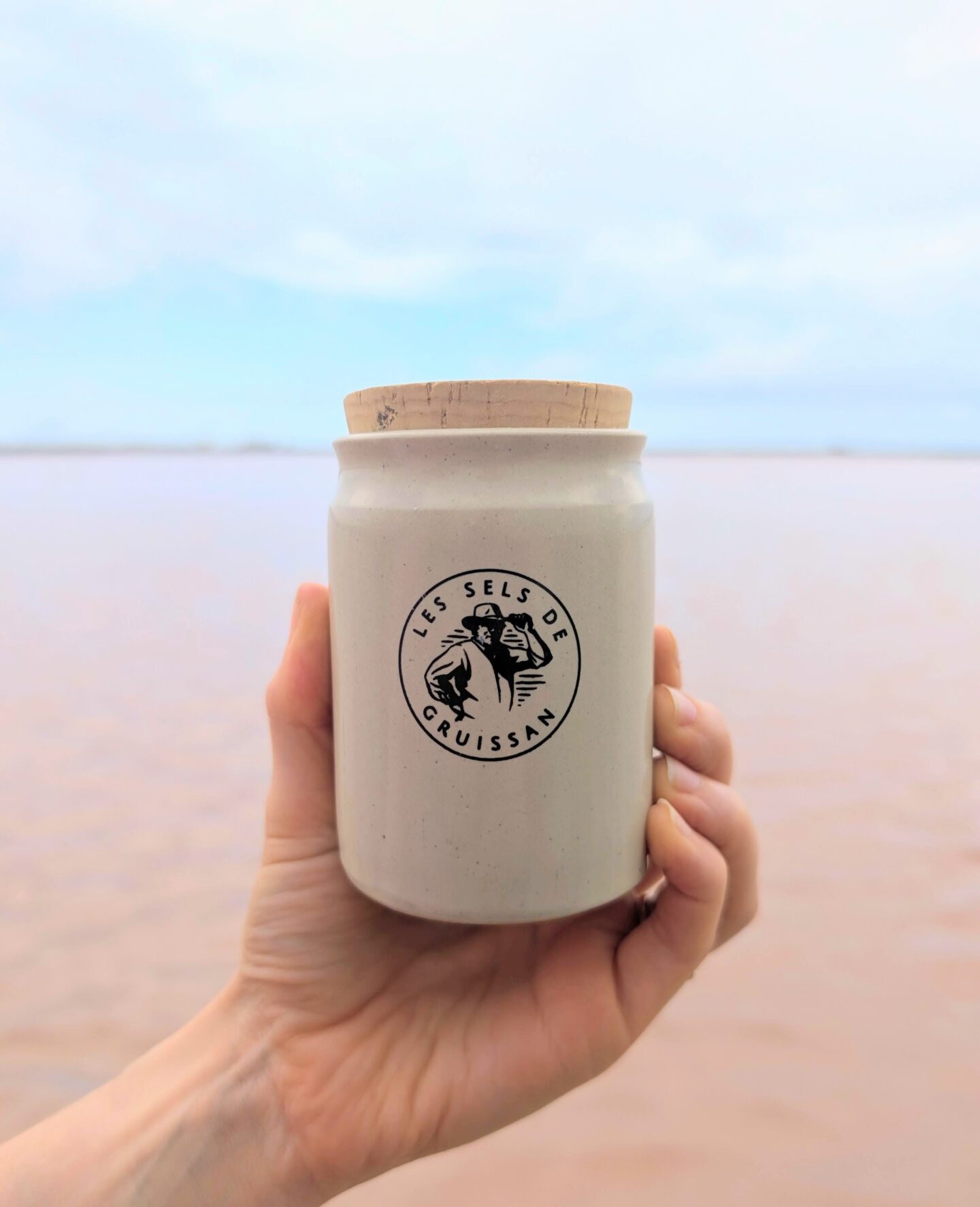
It’s the perfect place to pick up a special piece that reminds you of your travels without feeling like a mass-produced memento.
Dining at the Salt Fields
Another unexpected surprise? There’s a restaurant right beside the salt pans where you can enjoy fresh seafood – including oysters farmed on-site. We didn’t stay for a full meal (the van beckoned and we are vegan). Imagine dining with views of pink lakes and salt mountains!
Practical Information for Your Visit to Salin de Gruissan
Location:
📍 Le Salin de Gruissan
Route de l’Ayrolle
11430 Gruissan, France
Website: www.lesalindegruissan.fr
Phone: 04 84 25 13 24
Opening Months: March to November
Advance booking is recommended for guided tours during summer.
Tips for Visiting Salin de Gruissan
- Visit late afternoon for the best lighting on the pink lakes. The pink hue of the lakes is at its most intense when the sun is lower in the sky, particularly in the late afternoon or early evening. We arrived around 4pm and the light was absolutely perfect for photography.
- Wear comfortable walking shoes. The ground can be uneven, sandy, and a bit salty (as you’d expect), so we were glad to be in walking sandals. Flip-flops would’ve been a bit of a slip hazard in places.
- Don’t Skip the Shops. Both the art shop and the salt shop are genuinely worth browsing, even if you don’t usually go in for souvenirs. The ceramics and food items make unique, practical keepsakes.
- Bring water and sunscreen. There’s not much shade once you’re walking the salt flats, and the glare from the sun reflecting off the water and salt can be intense. Bring a hat, sunscreen, and water to stay comfortable.
- Check tour times in advance if you’re planning to join a guided visit. If you do understand French, the guided tours are highly rated, but they do have set times, so it’s worth checking the website or calling ahead to plan your visit.
- Take binoculars if you’re interested in birdwatching – the flamingos are a fair distance away.
- Don’t forget a camera! This is one of the most photogenic places you’ll see on your trip.
Gruissan: More Than Just Salt
While the natural wonder of the salt lakes are undoubtedly the star attraction, the surrounding area of Gruissan is also worth exploring. Originally a fishing village, Gruissan has evolved into a charming coastal destination with winding streets, a medieval tower, and a beach resort flair.
We took a little time after our salt lake visit to wander through the old village, which is arranged in a circular pattern around the 10th-century Tour Barberousse (Redbeard Tower). From the top, there are panoramic views over the lakes, vineyards, and the Mediterranean.
Final Thoughts: A Pink-Lit Highlight of Our Road Trip
The combination of science, history, natural beauty, and sensory delight made our visit to Salin de Gruissan a highlight of our road trip through France and Spain.
In a road trip packed with historic castles, dramatic mountain passes, and world-class cities, it’s always the surprise stops that seem to leave the strongest impression. Salin de Gruissan was exactly that for us – a shimmering pink oasis in the south of France that offered beauty, history, and artistry in a totally unique package.
It didn’t matter that our French wasn’t good enough for the tour. It didn’t matter that we hadn’t planned to visit. The experience was pure road-trip magic: discovering something breathtaking simply because we had the freedom and time to explore.
Whether you’re a nature lover, a food enthusiast, or simply someone who appreciates beautiful places, Salin de Gruissan is a must-see. And best of all – it won’t cost you a thing to experience its pink-hued magic.
If you find yourself meandering down the Mediterranean coast on your own adventure, take the detour. The pink lakes are waiting.
Want more French travel inspiration?
Check out our round-up of the best vegan pastries in Bordeaux here:
Best Vegan Pastries in Bordeaux – Strike a Pose
